Audi Forum Ingolstadt Museum Mobile Review
Automobile Museums · Ingolstadt, Germany. The Audi Forum Ingolstadt Museum Mobile is situated within the broader context of the Audi brand’s history and Ingolstadt’s industrial heritage in Bavaria, Germany. The city of Ingolstadt has long been a hub for…
Automobile Museums · Ingolstadt, Germany. The Audi Forum Ingolstadt Museum Mobile is situated within the broader context of the Audi brand’s history and Ingolstadt’s industrial heritage in Bavaria, Germany. The city of Ingolstadt has long been a hub for…
Best forMuseum lovers, culture travelers, first-time visitors
Review focusCollections, visitor experience, and practical planning
Historical Context
The Audi Forum Ingolstadt Museum Mobile is situated within the broader context of the Audi brand’s history and Ingolstadt’s industrial heritage in Bavaria, Germany. The city of Ingolstadt has long been a hub for automotive manufacturing, notably since Audi’s roots reconnected there following the brand’s reestablishment in the mid-20th century. This museum is part of the Audi Forum complex, which serves multiple functions including a corporate showroom, event space, and brand headquarters. It reflects the company’s effort to link its present-day endeavors with a curated narrative of automotive innovation and culture.
The museum itself forms an integral part of Audi’s public-facing identity, aiming to showcase the evolution of the automobile as both a mechanical object and a cultural symbol. Unlike traditional municipal or state-run collections, the Museum Mobile operates from a corporate perspective. Its narrative is closely tied to the brand’s trajectory as well as the technological advancements that have defined Audi’s place in the automotive industry. Visitors can expect an emphasis on design and engineering milestones, the company’s racing history, and the way Audi has influenced—and been influenced by—broader shifts in mobility and transportation in the 20th and 21st centuries.
What You See on Arrival
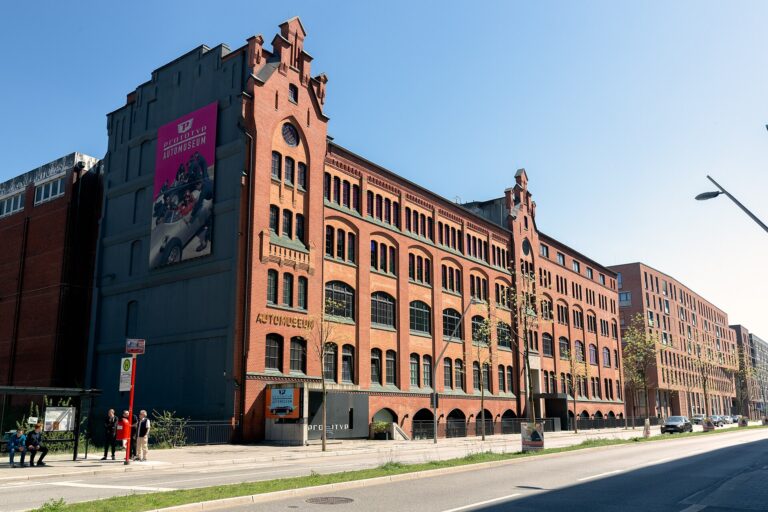
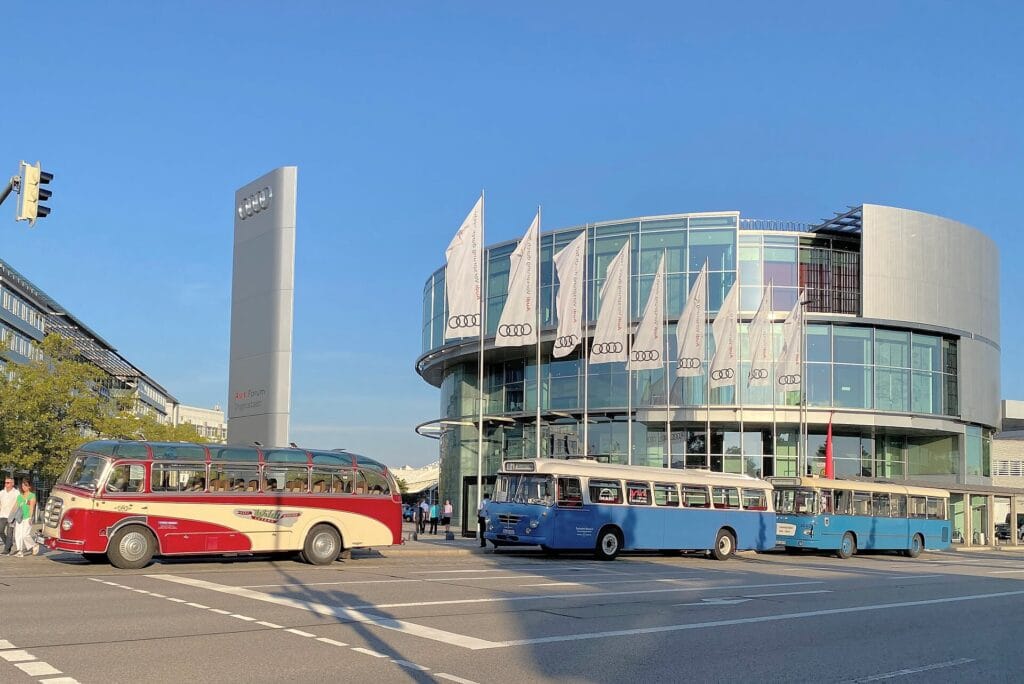
Approaching the Audi Forum Ingolstadt, visitors encounter a contemporary complex that communicates a sense of precision and efficiency, underscoring Audi’s image as a leader in automotive engineering. The museum space sits within this context, presenting itself less like a traditional museum with imposing historic facades and more like an integrated part of a modern corporate experience.
From the entrance, the museum signals its focus on cars as objects of design, technology, and performance. The clean architectural lines of the building, combined with the visible presence of current Audi vehicles in adjacent showrooms, underscore the continuity between past developments and today’s products. Visitors are framed to expect an encounter that blends heritage with innovation.
The reception and introductory areas provide a measured introduction to Audi’s history. The spatial arrangement is designed to guide visitors through a careful narrative rather than overwhelming with an immediate display of exhaustively large collections. This framing sets the tone for the experience—informative yet streamlined, targeting an audience who appreciates vehicles not merely as machines but as evolving symbols within a technological and cultural framework.
Highlights and Key Exhibitions
The core of the Museum Mobile’s appeal lies in its collection of automobiles and related exhibits that document Audi’s development alongside broader automotive trends. The museum’s holdings span early motor vehicles, classic models illustrating key innovations, and an array of racing cars that emphasize the company’s commitment to motorsport.
A central narrative thread is the lineage of the Audi brand through its pre-war origins, mid-century transformations, and contemporary expansions. Early examples show the roots of the company’s engineering philosophy, including vehicles from Auto Union predecessors. These historical pieces are valuable for understanding the technical challenges and industrial conditions of early automotive production in Germany.
Among the collection, several vehicles stand out as representative of Audi’s milestones. Models such as the Audi Quattro, celebrated for pioneering all-wheel-drive technology in rally contexts, provide insight into the connection between innovation and competitive sport. The museum also highlights the shift to modern internal combustion engines, aerodynamic designs, and the introduction of new materials, which reflect Audi’s role in pushing boundaries.
The racing section is not merely about speed; it contextualizes motorsport as a laboratory for automotive technologies and corporate branding. Displayed cars illustrate different eras of competition, from post-war races to recent endurance and touring car events. These exhibits often include technical breakdowns and background on how racing innovations translated into consumer vehicles.
Beyond vehicles, the museum incorporates displays concerning Audi’s technical developments, including engines, chassis technology, and increasingly electric concepts. These exhibits cater to those with an interest in mechanical engineering and industrial design, offering detailed explanations without requiring advanced specialist knowledge.
While the collection concentrates primarily on Audi and its immediate predecessors, it occasionally situates these within the larger history of the German automotive industry. However, the focus remains firmly on the brand itself, rather than offering deeper comparative or critical perspectives on the automotive sector at large.
Visitor Experience
The Museum Mobile’s layout and interpretive strategy are designed to accommodate a range of visitors—from automotive enthusiasts and professionals to families and casual visitors with limited technical background. The exhibition spaces are generally well-organized, allowing visitors to progress through historical periods and thematic sections logically and at a self-paced rhythm.
Interpretive panels and multimedia elements employ clear language and visual aids. The balance between text and image ensures accessibility but may lean toward a descriptive rather than analytical tone. Those seeking critical perspectives on the environmental or social impacts of automobile production might find the content somewhat restrained, as the museum’s purpose centers on celebrating Audi’s engineering and design achievements.
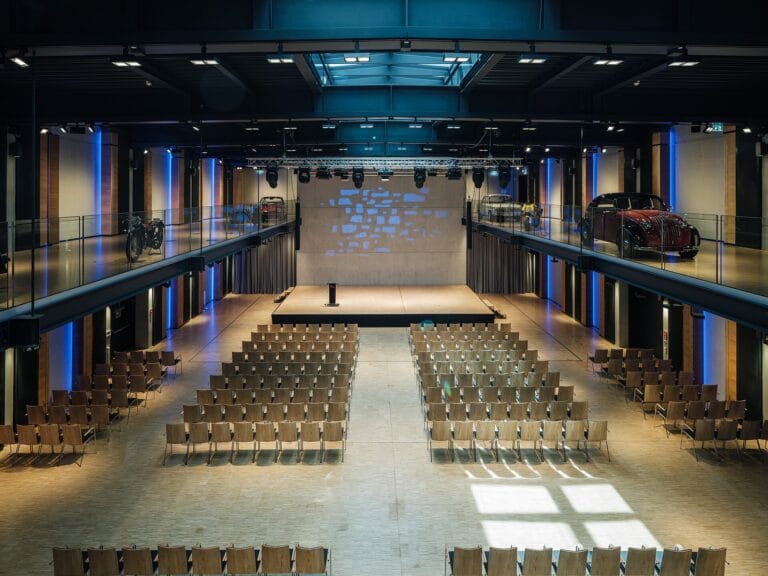
The design of the physical spaces encourages a steady flow; however, busy days or group visits could lead to congestion, especially around marquee vehicles. The museum’s size is moderate, sufficient to cover extensive historical ground without overwhelming visitors with an excessive number of objects.
Audi enthusiasts or visitors interested in automotive technology will appreciate the depth of information offered on construction, technological breakthroughs, and racing heritage. At the same time, visitors with more general cultural interests might find the museum’s focus rather narrow, privileging brand history over broader social or artistic contexts.
Audio-visual aids and interactive displays, where present, tend to support the technical and historical content effectively but do not dominate the experience. This maintains a largely traditional exhibition style even where modern interpretive techniques are employed.
Tickets, Access, and Planning
Details regarding tickets, opening hours, and visitor amenities should be verified directly through the official Audi Forum Ingolstadt website prior to planning a visit, as this information can vary with seasons and special events. The museum is part of a larger complex that may also include sales and service components, so visitors should be prepared for a mixed-use environment rather than a purely museum-focused setting.
Transportation options to Ingolstadt are generally well-established, given the city’s status as an industrial center and its connections via rail and road. Visitors may want to consider timing their visit outside of peak industrial operational hours for a quieter experience. Accessibility provisions, guided tours, and the availability of audio guides may be subject to periodic changes or specific policies and should be checked in advance.
Due to its corporate affiliation, the museum sometimes hosts professional or industry events which might affect visitor access. Planning ahead will help mitigate potential schedule conflicts or overcrowding.
Final Verdict
The Audi Forum Ingolstadt Museum Mobile offers a focused and informative look at Audi’s automotive legacy, combining historical vehicles, engineering development, and motorsport heritage within a purpose-built corporate setting. Its strengths lie in the coherent presentation of the brand’s evolution and the detailed technical insight offered into vehicle design and innovation.
The museum is best suited for visitors who have a particular interest in automotive technology, industrial history, or Audi’s place within the German car industry. It provides a clear narrative that links historic machines to current engineering practices and brand identity. Some visitors may find the museum’s scope somewhat limited by its brand-centric approach and may desire a broader examination of automobile history or cultural contexts beyond Audi’s direct story.
In terms of visitor experience, the museum strikes a manageable balance between depth and accessibility, though it assumes some baseline interest in cars and technology. The physical environment and interpretive materials generally support a smooth and engaging visit, though peak times might challenge spatial flow.
For those planning to travel to Ingolstadt, the Museum Mobile complements a visit to a city with an active industrial profile but is not a comprehensive cultural institution in the traditional museum sense. It is best approached with clear interest in Audi’s engineering and racing heritage. Checking current visitor information through official channels is advisable before committing to a visit.
Overall, the Audi Forum Ingolstadt Museum Mobile stands as a well-maintained resource for understanding one of Germany’s key automotive brands. It delivers its message effectively within a corporate museum framework, even if its perspective is inevitably shaped by brand priorities rather than comprehensive automotive historiography.