The Phillips Collection Review
The Phillips Collection, situated in Washington, D.C., stands as a pioneering institution in the realm of modern art museums in the.
The Phillips Collection, situated in Washington, D.C., stands as a pioneering institution in the realm of modern art museums in the.
Best forMasterpieces, architecture, cultural history
Review focusCollection highlights, building, visitor flow
Historical Context
The Phillips Collection, situated in Washington, D.C., stands as a pioneering institution in the realm of modern art museums in the United States. Established in 1921 by Duncan Phillips, an art collector and critic, the museum arose from his vision to create a space where modern masterpieces could be viewed alongside works by earlier artists. Phillips sought to foster a dialogue between traditional and modern art, emphasizing the emotional resonance and individuality in each piece. This approach was somewhat radical at the time, diverging from the predominantly academic and historical collections favored by many institutions. The museum’s foundation reflected a broader movement in the early 20th century that aimed to modernize art appreciation and challenge conventional narratives. Over the years, The Phillips Collection earned a reputation not merely for its curated holdings but for the intimate experience it offers to visitors, highlighting nuanced relationships between artists and movements more than sheer volume or monumental scale. It remains a vital cultural institution dedicated to exploring modern art’s evolving legacy.
What You See on Arrival
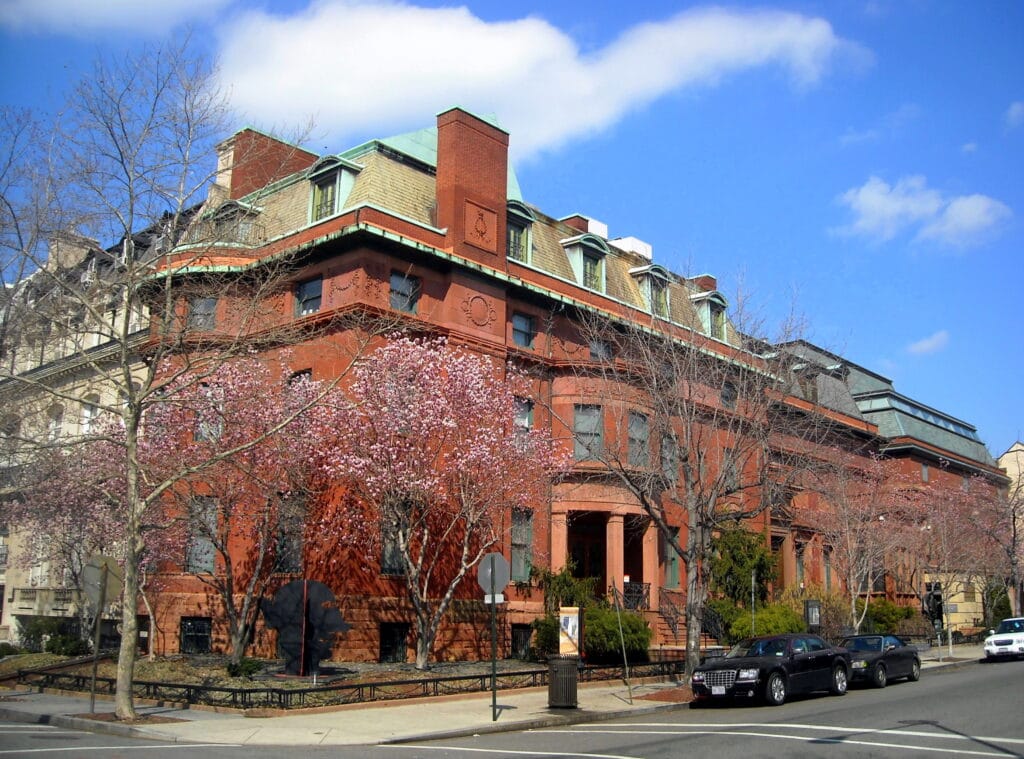
Nestled in the Dupont Circle neighborhood, The Phillips Collection greets visitors with a welcoming urban presence that blends seamlessly with its residential surroundings. The museum does not impose itself through grandiose architecture; instead, it radiates a refined charm that invites curiosity. The building is a carefully adapted Georgian Revival house, offering an intimate and domestic atmosphere uncommon among art institutions. Upon approaching, visitors typically observe the understated entrance, which leads into a series of interconnected rooms and galleries. The exterior is subtly enhanced by understated landscaping, facilitating a transition from the busy city streets to a quieter art haven. There is no overwhelming façade but rather a quiet dignity that suggests the collection inside is prized for its content rather than spectacle. This subdued presentation primes visitors for a more contemplative experience as they prepare to engage with a smaller yet richly layered collection that favors quality and artistic dialogue over quantity.
Highlights and Key Exhibitions
The Phillips Collection is best known for its exceptional holdings of early modern art, fostering connections between European masters and American artists. Among its treasures is Pierre-Auguste Renoir’s "Luncheon of the Boating Party," an iconic Impressionist masterpiece celebrated for its vibrant depiction of social leisure and masterful brushwork. This painting alone significantly elevates the museum’s profile, drawing art lovers keen to see one of Impressionism’s finest examples in person.
Beyond Renoir, the collection champions artists who were foundational to modernism. Works by Paul Cézanne, Henri Matisse, and Pablo Picasso abound, presenting a panoramic view of the early 20th century’s artistic revolutions. The museum’s commitment to American modernism is embodied in paintings by Georgia O’Keeffe, Marsden Hartley, and Arthur Dove, among others, highlighting a unique narrative that bridges European modernist impulses with an emergent American identity in art.
The Phillips Collection is distinctive for the way it displays its art, fostering intimate conversations between different periods and styles. Rather than segregating art by strict chronological or geographical boundaries, the curators allow for thematic and visual dialogues to unfold. This encourages visitors to reconsider definitions of modernity and artistic innovation. While the museum does host temporary exhibitions, its core strength is the permanent collection, which remains absorbing and well-maintained without relying on frequently changing displays.
Visitor Experience
Visitors to The Phillips Collection often find the museum’s atmosphere uniquely conducive to reflection and discovery. The home-like setting, with polished wood floors, elegant furnishings, and understated lighting, enhances a relaxed yet focused viewing experience. Galleries are relatively small, which means the crowd density rarely becomes overwhelming, and only a modest amount of time is required to enjoy a comprehensive tour.
The museum’s layout, thoughtful and non-linear, encourages exploration rather than a prescribed route. Artworks are presented at eye level, with clear, informative labels that provide insights without overwhelming the visitor with technical jargon. Audio guides and printed materials complement the viewing experience for those who desire deeper context.
However, the intimate scale and residential setting might also pose minor challenges. Visitors accustomed to larger institutions may find the pace of the visit quicker than anticipated, and those looking for spectacular architectural experiences or commercial amenities may find the museum’s offerings modest. The Phillips Collection, however, excels in delivering a contemplative, personal interaction with seminal modern artworks, distinguishing it as a place where quality supersedes scale.
Tickets, Access, and Planning
The Phillips Collection offers a straightforward ticketing system, with options catering to various visitor categories including adults, seniors, students, and children. Pricing is reasonable, striking a balance between accessibility and the need to sustain the museum’s operations. Discounts are often available for local residents and certain groups, and free admission days may be offered seasonally.
Location-wise, the museum is accessible by public transit, with nearby Metro stations and bus lines serving the Dupont Circle area, making it convenient for visitors relying on Washington’s public transportation network. For those driving, parking can be limited in this urban neighborhood, so planning ahead is recommended. Visitors should also be aware of the museum’s opening hours and any special guidelines regarding photography, food, and group visits, details for which are clearly outlined on the official website.
The museum offers resources for educators, families, and art enthusiasts planning an extended engagement, including lectures, workshops, and guided tours. Advance booking is advisable, particularly for groups and during weekends, to ensure a smooth visitor flow. The combination of a central location and relatively tranquil environment makes The Phillips Collection an excellent stop for both tourists and local art aficionados.
Final Verdict
The Phillips Collection remains a gem in the art museum landscape of Washington, D.C., carving out a distinct identity through its pioneering embrace of modern art in an intimate setting. Its historic commitment to uniting European and American modernist works creates a collection that is intellectually stimulating and visually rewarding. While it may not offer the size or spectacle of larger national museums, its strength lies in the quality of its acquisitions and the thoughtfulness of its presentation.
This museum provides a different kind of cultural experience that favors close, personal encounters with significant artworks over sweeping crowds and expansive galleries. The collection’s foundational pieces, especially Renoir’s famed painting, are complemented by a curated selection that bridges artistic movements and eras in novel ways. Visitors seeking an immersive, contemplative art experience that emphasizes the emotional and innovative spirit of modernism will find The Phillips Collection a compelling destination.
The museum’s accessible location, affordable ticketing, and thoughtful layout further enhance its appeal. While it may challenge expectations of a large-scale museum visit, its intimacy and intellectual richness ensure that it remains an essential stop for those invested in the modernist narrative. For anyone interested in the evolution of modern art in both Europe and the United States, The Phillips Collection offers a rewarding and enduring opportunity to engage with some of the most important artistic developments of the past century.