Vikingemuseet Review
Aarhus, Denmark, forms a crucial component of the broader Moesgaard Museum complex, a renowned institution dedicated to archaeology.
Aarhus, Denmark, forms a crucial component of the broader Moesgaard Museum complex, a renowned institution dedicated to archaeology.
Best forMaritime history, ships, harbour heritage
Review focusCollection, setting, visitor experience
Historical Context
Aarhus, Denmark, forms a crucial component of the broader Moesgaard Museum complex, a renowned institution dedicated to archaeology, ethnography, and history. The museum’s focus on Viking-era artifacts and narratives provides a window into a formative period in Scandinavian history, spanning roughly from the late 8th to the early 11th centuries. This epoch, often romanticized and mythologized, is presented through a rigorous academic lens that emphasizes the complexity and diversity of Viking society. The Vikings were not solely warriors and raiders but also traders, artisans, and settlers who shaped the cultural and political landscape of Northern Europe and beyond. Vikingemuseet contributes to a deeper understanding of this multifaceted civilization through its collection of archaeological finds, reconstructions, and interpretive exhibits, situating these within the broader European and global contexts of the early medieval period. The museum’s integration with Moesgaard Museum’s interdisciplinary research efforts ensures that its presentations are both current and grounded in the latest archaeological scholarship.
What You See on Arrival
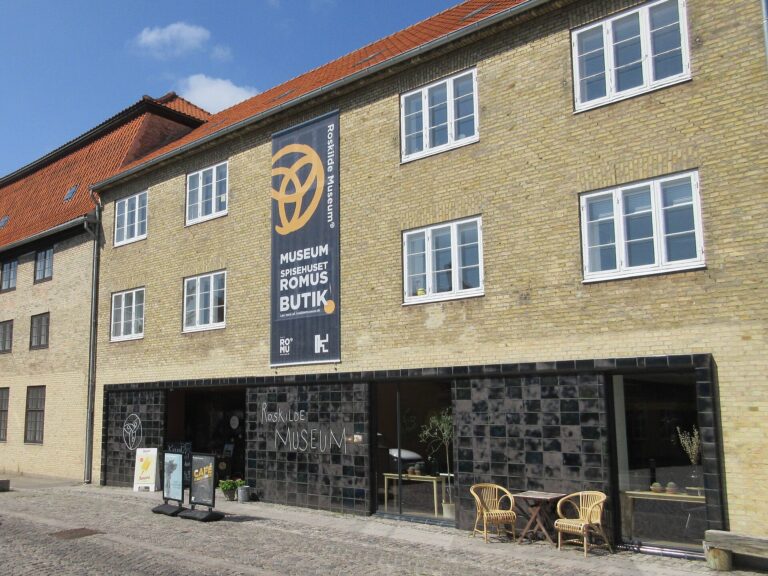
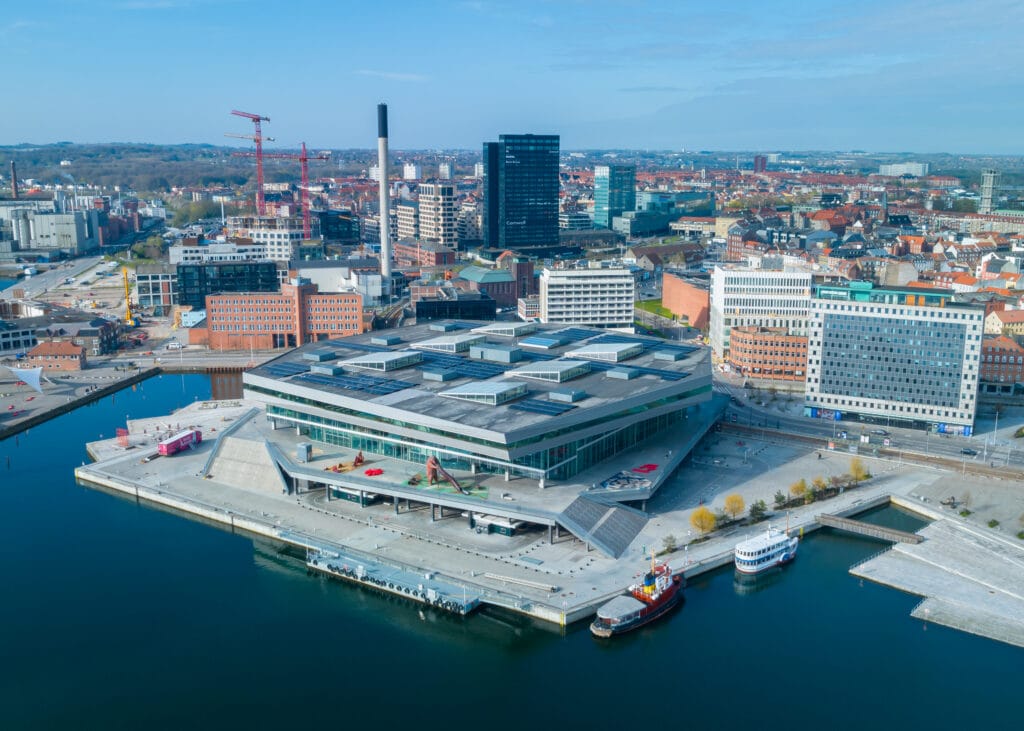
Upon approaching Vikingemuseet, visitors are met with a modern architectural structure that harmonizes with its natural surroundings, reflective of Scandinavian design principles prioritizing clarity and integration. Although the building itself serves as a contemporary backdrop, it acts primarily as an entry point to a series of immersive exhibits focused on the Viking Age. The immediate impression is one of understated elegance, inviting visitors to explore the depths of history rather than overwhelming them with ostentation. Outside, informational signage provides contextual grounding before entry, including details about the Vikings’ geographical reach and timeline. Landscape elements subtly echo Viking motifs, creating an anticipatory atmosphere. Inside, the layout quickly orients visitors with clear pathways and well-lit exhibit spaces. This thoughtful design fosters a sense of curiosity and engagement, making the transition from arrival to exploration smooth and intuitive.
Highlights and Key Exhibitions
The heart of Vikingemuseet lies in its carefully curated collection of artifacts and reconstructions, which collectively convey a vivid narrative of Viking life. One of the defining strengths of the museum is its balanced presentation of everyday life and extraordinary achievements. Exhibits include an array of meticulously reconstructed longhouses, which bring the domestic environments of Viking communities to life through detailed replicas of interiors, tools, and domestic objects. These reconstructions allow an intimate glimpse into how Vikings lived, worked, and socialized, challenging simplistic stereotypes of the era as dominated solely by violence and conquest.
Equally compelling are the museum’s displays of weaponry, jewelry, and trading goods. These objects, often discovered through archaeological excavations across Denmark and other Viking territories, underline the craftsmanship and extensive trade networks that characterized Viking societies. Text panels and interactive displays seamlessly integrate these artifacts into broader narratives about Viking social hierarchy, technological innovation, and interactions with neighboring cultures.
Special attention is devoted to Viking maritime prowess. Models and displays explicate shipbuilding techniques, navigational skills, and the significance of seafaring to Viking expansion and trade. This maritime focus situates the Vikings not only as warriors but as skilled explorers and merchants, emphasizing the strategic importance of the sea in their history.
While temporary exhibitions are not the focus here, the museum’s permanent collection is regularly updated with new research findings, ensuring a fresh and academically robust visitor experience. Multimedia elements including videos and augmented reality components supplement the exhibits, making complex historical topics approachable and engaging for visitors of all ages.
Visitor Experience
Vikingemuseet provides a visitor experience that is both educational and immersive. The museum’s commitment to accessibility is evident in the clarity of exhibit signage, available in multiple languages, including English, which allows international visitors to fully appreciate the content. The layout encourages a chronological and thematic progression through the Viking era, supporting a narrative flow that is especially helpful for those less familiar with the period.
Interactive elements enrich the experience considerably. Touchscreens offer detailed information about artifacts and archaeological contexts, and in some areas, hands-on replicas permit visitors to physically engage with Viking tools and crafts. This tactile engagement is particularly effective for younger visitors or those who learn best through kinesthetic means.
The museum’s atmosphere strikes a good balance between scholarly seriousness and public appeal. It is designed to cater to history enthusiasts, academics, families, and casual tourists alike. The provision of guided tours and educational workshops further enhances the learning experience, although these may need to be booked in advance to secure availability.
Amenities such as a café and museum shop complement the visit without overshadowing the historical focus. The shop features a selection of Viking-themed books, souvenirs, and educational materials, providing an opportunity for visitors to continue exploring Viking history beyond the museum walls.
Tickets, Access, and Planning
Ticketing arrangements for Vikingemuseet are straightforward and visitor-friendly, with various purchasing options available. Tickets can be obtained online via the official website, www.moesgaardmuseum.dk, providing the advantage of pre-planning and potentially avoiding queues. There is an option for combined tickets that grant access to both Vikingemuseet and other parts of the Moesgaard Museum complex, an economical choice for those wishing to immerse themselves in Danish history more broadly.
Aarhus, with clear signage from central city locations. Public transport options, including buses, are available and well-coordinated with museum opening hours, making it feasible for visitors without private transport to reach the site conveniently. For those arriving by car, parking facilities are adequate and clearly marked.
For visitors with mobility challenges, Vikingemuseet offers barrier-free access throughout the public areas, including ramps, elevators, and adapted restrooms. Information about accessibility services is readily available on the museum’s website and at the entrance. Families with young children are also well catered to, with stroller-friendly paths and quiet spaces for breaks, enhancing comfort during longer visits.
Opening hours follow a standard museum schedule but can vary seasonally, so prospective visitors are advised to check current timings and any special closures on the official website before planning their visit.
Final Verdict
Aarhus stands out as a well-curated, academically rigorous yet engaging destination for those interested in Viking history and culture. By combining archaeological expertise with immersive displays and interactive elements, it offers a multifaceted portrayal that appeals across a broad spectrum of visitors. The museum succeeds in moving beyond clichéd representations, presenting the Vikings as complex actors in medieval European history.
While temporary exhibitions are not a central feature, the dynamism of its permanent displays and integration with the broader Moesgaard Museum ensure the content remains relevant and stimulating. Practical considerations such as visitor amenities, ticket options, and accessibility further enhance the overall experience.
In sum, Vikingemuseet delivers a comprehensive and thoughtfully designed encounter with Viking heritage, making it a must-visit for anyone keen to deepen their understanding of this fascinating era. Whether approached from an academic perspective or simply out of curiosity, the museum offers a rewarding and illuminating journey through the Viking Age.