Peranakan Museum Review
Peranakan Museum is not a giant museum, and that is one of its advantages. From the moment you enter, the experience feels concentrated and intentional.
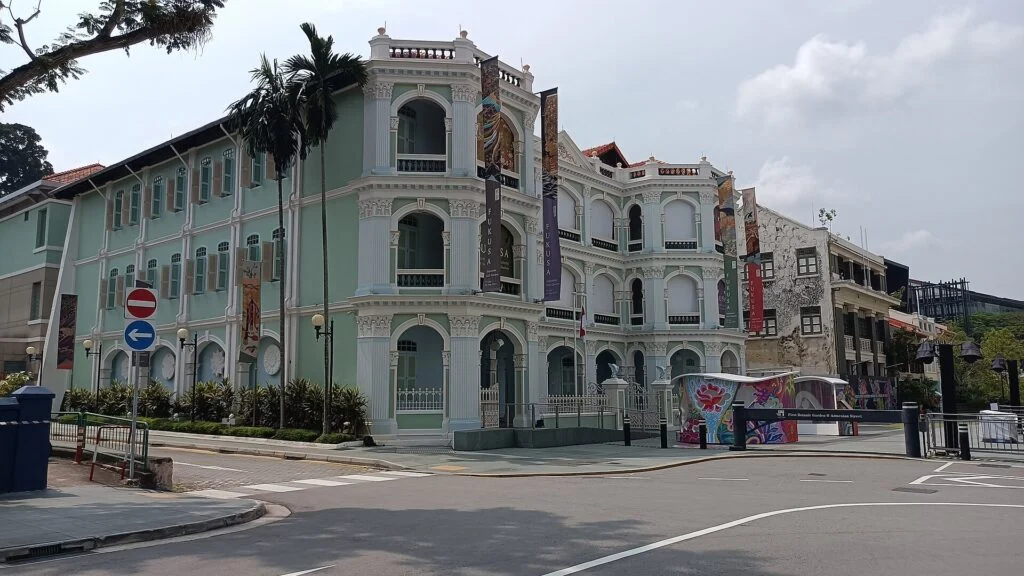
Peranakan Museum is not a giant museum, and that is one of its advantages. From the moment you enter, the experience feels concentrated and intentional.
Best forArchitecture, royal history, heritage
Review focusArchitecture, history, visitor experience
Historical Context
The Peranakan Museum in Singapore is dedicated to the history and culture of the Peranakan communities, descendants of early Chinese settlers who intermarried with local populations across Southeast Asia. This unique cultural identity developed over centuries, particularly in port cities such as Malacca, Penang, and Singapore, where trade and migration created diverse, hybrid societies.
The museum is housed in a historic former school building dating back to 1912, reflecting Singapore’s colonial past and its long-standing role as a cultural crossroads. The transformation of the building into a museum highlights a broader effort to preserve and present Peranakan heritage within a modern national narrative.
Peranakan culture is known for its rich visual language, including intricate beadwork, elaborate ceramics, and distinctive architecture. It also encompasses language, cuisine, and social customs that blend Chinese, Malay, and Indonesian influences.
The establishment of the Peranakan Museum marked an important step in recognizing this heritage as a central part of Singapore’s cultural identity. Rather than treating Peranakan culture as a marginal or historical curiosity, the museum presents it as a living tradition with ongoing relevance.
What You See on Arrival
Arriving at the Peranakan Museum, visitors are immediately struck by the building’s elegant yet understated exterior. Unlike monumental national museums, it presents a more intimate and approachable scale, reflecting the domestic and community-focused nature of the culture it represents.
Inside, the atmosphere shifts to something more immersive. The galleries are arranged across several floors, each focusing on different aspects of Peranakan life. The layout encourages a gradual exploration, moving from broad historical themes to more detailed presentations of daily life, rituals, and artistic expression.
The design emphasizes clarity and intimacy. Display cases are carefully arranged, often recreating domestic settings or highlighting individual objects with precise lighting. This creates a sense of closeness to the material, as if stepping into the lived experience of Peranakan households.
The mood is warm and inviting, supported by the use of color, texture, and carefully curated spaces. Rather than overwhelming visitors with scale, the museum draws them in through detail and atmosphere.
Highlights and Key Exhibitions
One of the museum’s standout features is its collection of Peranakan ceramics. These brightly colored, intricately decorated objects were often commissioned from China specifically for Peranakan families, reflecting both wealth and cultural identity. The vivid hues and elaborate patterns make these pieces visually striking and historically significant.
Another highlight is the display of traditional clothing and beadwork. The delicate craftsmanship of items such as beaded slippers and embroidered garments reveals the importance of artistry and symbolism in Peranakan culture. These objects are presented with detailed explanations, helping visitors understand their cultural context.
The museum also excels in presenting domestic life. Reconstructed interiors and displays of furniture provide insight into how Peranakan families lived, celebrated, and interacted. These sections bring the culture to life, moving beyond static objects to tell stories about people and traditions.
Multimedia elements and interactive displays enhance the experience, offering additional layers of interpretation. These features are particularly effective in explaining complex cultural practices and historical developments.
Temporary exhibitions often complement the permanent collection, exploring specific themes or contemporary interpretations of Peranakan identity.
Visitor Experience
The visitor experience at the Peranakan Museum is carefully curated and highly accessible. The relatively compact size of the museum makes it easy to navigate, while the clear organization of galleries ensures a logical progression through the content.
Pacing is comfortable, with enough variety to maintain interest without overwhelming the visitor. The balance between visual displays, written interpretation, and interactive elements creates a well-rounded experience.
Signage is clear and informative, providing context without excessive detail. The museum’s approach to interpretation is particularly effective, combining historical information with cultural insights that deepen understanding.
Crowds are generally manageable, allowing for a more personal and reflective visit. The intimate scale of the galleries contributes to this atmosphere, encouraging visitors to spend time with individual objects.
Overall, the experience is both educational and engaging, offering a nuanced view of a complex cultural heritage.
Tickets, Access, and Planning
The Peranakan Museum is centrally located in Singapore, making it easily accessible by public transport, including MRT stations and bus routes. Its location within the city’s cultural district makes it a convenient addition to a broader itinerary.
Visitors typically need around one to two hours to explore the museum fully, though those with a particular interest in the subject may wish to spend longer. The manageable size makes it suitable for both short visits and more in-depth exploration.
Ticketing policies can vary, particularly for international visitors, so it is advisable to check current information before arrival. Discounts or free entry may be available for certain groups.
Facilities include a museum shop and nearby dining options, supporting a comfortable visit. Guided tours and educational programs may also be available, offering additional insights into the collection.
Planning ahead by reviewing exhibition highlights can help visitors focus on areas of particular interest.
Final Verdict
The Peranakan Museum offers a focused and richly detailed exploration of a unique cultural tradition. Its strength lies in its ability to present complex historical and cultural themes through carefully curated objects and immersive displays.
Who should visit? This museum is ideal for those interested in cultural history, design, and the intersections of different traditions. It is particularly valuable for visitors seeking to understand Southeast Asia’s diverse heritage.
Why visit? Because it provides a rare opportunity to engage deeply with Peranakan culture in a setting that is both informative and visually compelling. The Peranakan Museum succeeds in making a specific cultural story accessible, engaging, and meaningful.