The Renaissance Society Review
Art Museums · Chicago, United States. The Renaissance Society, established in 1915, stands as one of Chicago’s most revered institutions dedicated to contemporary art. Unlike traditional museums that focus on permanent collections, this institution operates primarily as an innov…
Art Museums · Chicago, United States. The Renaissance Society, established in 1915, stands as one of Chicago’s most revered institutions dedicated to contemporary art. Unlike traditional museums that focus on permanent collections, this institution operates primarily as an innov…
Best forMasterpieces, architecture, cultural history
Review focusCollections, curatorial focus, and visitor planning
Historical Context
The Renaissance Society, established in 1915, stands as one of Chicago’s most revered institutions dedicated to contemporary art. Unlike traditional museums that focus on permanent collections, this institution operates primarily as an innovative nonprofit exhibition space, championing avant-garde and experimental artworks. Initially rooted in the broader modernist currents of the early twentieth century, it has evolved into a vital platform for emerging and established artists to challenge conventional perceptions of art. Over its extensive history, the Renaissance Society has maintained a commitment to presenting works that emphasize conceptual depth and visual innovation. Its mission is not simply to display art but to foster dialogue around the boundaries and potentials of contemporary artistic expression. The Society’s provenance as a university-affiliated institution layered with public engagement emphasizes a blend of scholarly rigor and accessibility, making it a crucial landmark within Chicago’s vibrant cultural landscape and the international art community.
What You See on Arrival
Upon arriving at the Renaissance Society, visitors are typically greeted by an understated exterior that belies the richness within. Nestled within the University of Chicago’s Hyde Park neighborhood, the venue is a modest, modern architectural space that encourages contemplation rather than spectacle. The building complements the intellectual spirit of its environment rather than competing with it. While the facade is not grandiose, its minimalist design allows the art itself to take precedence, signaling the institution's focus on content over form. A neat and thoughtfully arranged entrance welcomes guests into a space designed to prioritize flow and engagement with the exhibitions. The subtlety of the exterior serves as a quiet invitation to surrender to the experience of contemporary art in its most exploratory variations.
Highlights and Key Exhibitions
The Renaissance Society is renowned for its thoughtfully curated exhibitions, which often focus on groundbreaking and challenging works. This is an institution where conceptual art finds a compelling voice, and the scope of exhibitions ranges from media installations and sculpture to painting and digital art. The primary draw is often the Society’s commitment to showcasing emerging and mid-career artists whose practices defy easy categorization. Visitors can expect exhibitions that foreground contemporary social themes, identity politics, and formal innovation within art-making processes.
Each season offers a distinct experience, with exhibitions frequently pushing the boundaries of how art interacts with viewers. The Society’s reputation is in part built on its sustained dedication to presenting works that provoke reflection and reconsideration of entrenched narratives. While the museum does not have a permanent collection, the rotating exhibitions benefit from partnerships with artists, curators, and academic institutions, providing a fresh and dynamic roster of presentations that keep the Society at the cutting edge of contemporary art discourse.
Visitor Experience
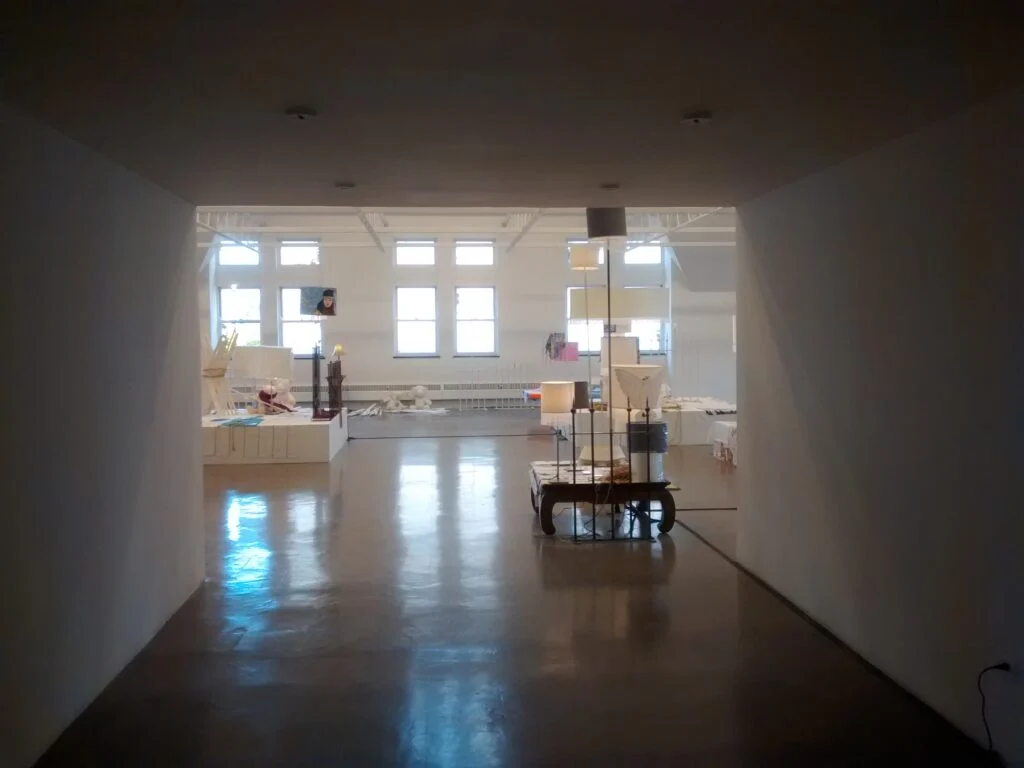
The visitor experience at the Renaissance Society is intentionally crafted to maximize thoughtful engagement. The exhibition spaces are typically minimalist and deliberately quiet, enabling visitors to focus entirely on the artwork without the distractions common in more commercial settings. Educational materials, including detailed wall texts and occasional guided tours or artist talks, allow for deeper understanding, although the institution’s ethos encourages visitors to form personal interpretations first and foremost. The ambiance is contemplative rather than bustling, positioning the Society as a haven for those interested in introspective interactions with art.
Staff members are generally noted to be knowledgeable and approachable, ready to discuss the works on view or provide broader context for the exhibitions. Visitor feedback often emphasizes the unique sense of discovery that emerges from the Society’s less conventional approach to display and interpretation. While the site does not prioritize family programming or highly interactive elements, it excels at serving an intellectually curious audience, including students, scholars, and serious art enthusiasts.
Tickets, Access, and Planning
The Renaissance Society operates with accessibility in mind, offering free admission to all visitors. This inclusive policy aligns with the institution’s emphasis on democratizing contemporary art and fostering a broad audience. The museum’s location on the University of Chicago campus situates it well within public transit routes, including city buses and nearby Metra train services, facilitating convenient access for both locals and tourists.
Planning a visit is straightforward, with clear information available through their official website regarding opening hours, exhibition schedules, and upcoming events. The venue, while modest in size, is fully accessible, accommodating visitors with mobility challenges. While there is no dedicated parking on-site, options are available in the surrounding neighborhood. The Society encourages visitors to check online for potential special events that often accompany exhibitions, such as artist talks or panel discussions, which enrich the experience.
Final Verdict
The Renaissance Society occupies a distinctive place within Chicago’s cultural ecosystem and the international contemporary art world. Its century-long dedication to presenting experimental and challenging works distinguishes it from traditional museums reliant on static collections. This institution delivers an experience that is intellectually stimulating, thoughtful, and quietly powerful, making it an essential stop for those seeking to engage deeply with the ideas and aesthetics shaping current art practice.
While its understated physical presence and lack of permanent collection may present a less conventional museum experience, the value lies precisely in its dynamic exhibition program and commitment to artistic innovation. Visitors should approach the Renaissance Society prepared to engage with complex and sometimes challenging work, which rewards curiosity and intellectual openness. Whether a dedicated contemporary art aficionado or a newcomer interested in cutting-edge artistic trends, the Renaissance Society offers a uniquely enriching place to explore the evolving dialogue of contemporary art. For anyone seeking an art experience that challenges rather than comforts, this institution remains an indispensable destination.