Royal Ontario Museum Review
Archaeology Museums · Toronto, Canada. The Royal Ontario Museum (ROM), located in Toronto, Canada, is one of the country’s premier institutions dedicated to natural history, world cultures, and art. Established in 1914, this museum has evolved into one of…
Archaeology Museums · Toronto, Canada. The Royal Ontario Museum (ROM), located in Toronto, Canada, is one of the country’s premier institutions dedicated to natural history, world cultures, and art. Established in 1914, this museum has evolved into one of…
Best forMasterpieces, architecture, cultural history
Review focusCollection highlights, building, visitor flow
Historical Context
The Royal Ontario Museum (ROM), located in Toronto, Canada, is one of the country’s premier institutions dedicated to natural history, world cultures, and art. Established in 1914, this museum has evolved into one of the largest and most comprehensive museums in North America. It was founded with the goal of promoting knowledge and understanding of diverse cultural and scientific domains through extensive collections and research. Over the decades, the ROM's role has expanded from a primarily natural history focus to embrace art, archaeological finds, and ethnographic collections from around the world. The museum is also noteworthy for its architectural development, combining a historic structure with a modern crystalline addition that has sparked much debate in architectural circles. This dynamic blend of past and present mirrors the institution’s broader commitment to preserving heritage while engaging contemporary audiences.
What You See on Arrival
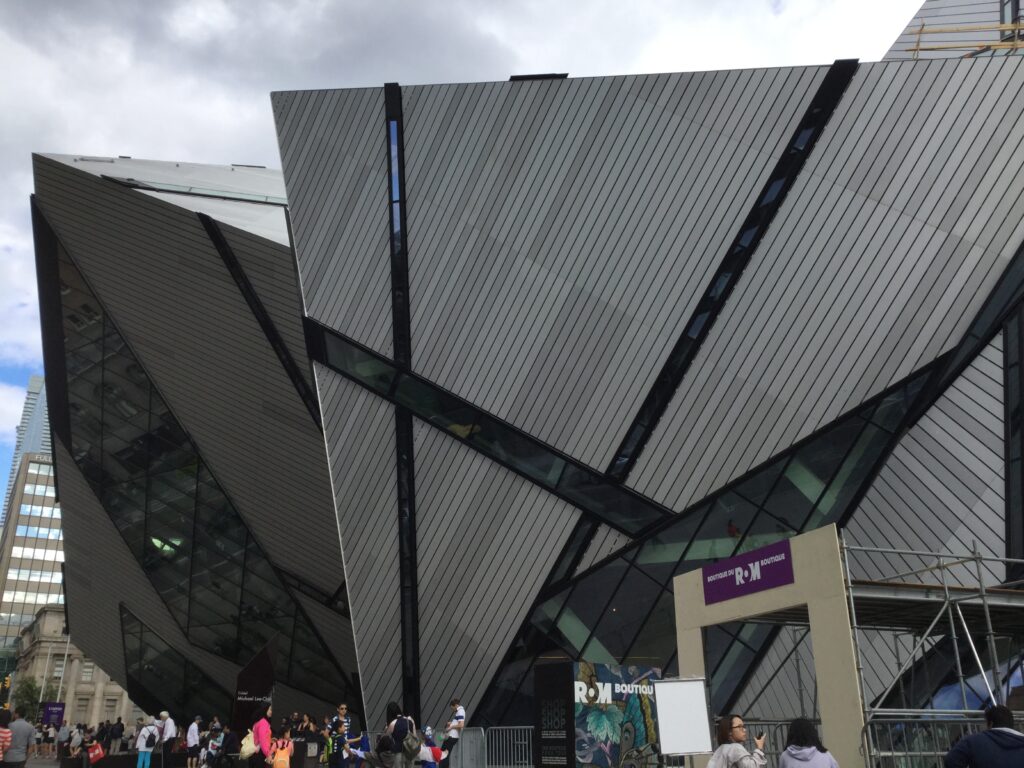
Upon approaching the Royal Ontario Museum from University Avenue, visitors are greeted by an impressive juxtaposition of architectural styles. The historic main building, with its classical stone facade, offers a sense of gravitas and tradition. In stark contrast, the Michael Lee-Chin Crystal addition—a striking angular glass and steel structure—dominates the entrance with a bold and futuristic flair. This dramatic entryway naturally draws attention and sets the tone for an experience that bridges the old with the new. The front plaza cushions the visual impact, providing open space for gathering. Just inside, the spacious and well-lit main lobby acts as a focal point, where directional signage and visitor services are conveniently located.
Highlights and Key Exhibitions
The Royal Ontario Museum’s extensive collection covers a vast range of disciplines, ensuring there is something of interest for a wide variety of visitors. Among the natural history treasures, the dinosaur gallery stands out as an undeniable highlight. The impressive array of fossils and mounted skeletons offer a vivid glimpse into prehistoric life. Another significant section features the mineralogy and geology displays, showcasing dazzling gems, crystals, and meteorites that speak to Earth's deep geological history.
The museum’s cultural galleries encompass a rich panorama of world civilizations. The Asian collection is particularly noteworthy, with fine examples of Chinese, Japanese, and South Asian art that span several centuries. Artifacts such as intricately carved jade, ancient ceramics, and exquisite textiles demonstrate the ROM’s commitment to preserving and presenting global cultural heritage. The Egyptian collection is equally compelling, with mummies, sculptures, and funerary objects providing insight into life along the Nile.
Among the permanent exhibitions, the First Peoples gallery offers a thoughtful presentation of Indigenous cultures in Canada, exploring their history, traditions, and contemporary expressions. This gallery emphasizes respectful storytelling and strives to amplify Indigenous voices through collaborative curation.
Visitor Experience
The Royal Ontario Museum has made concerted efforts to create an inviting and educational environment for a diverse audience. The layout of the galleries is generally intuitive, with clear labeling and descriptive information that balances academic detail with accessibility. Interactive displays and multimedia components enhance engagement, particularly for younger visitors and families. For example, touch-screen stations and hands-on exhibits complement traditional displays, facilitating a hands-on learning experience.
While the museum’s architectural design is striking, it can prove somewhat disorienting, especially for first-time visitors. The crystalline addition's angular corridors and multi-level layouts occasionally cause wayfinding challenges, necessitating patience and some pre-planning. Still, plentiful signage coupled with staff assistance helps ease navigation.
The museum also offers a range of amenities to improve comfort during a visit. Cafés and gift shops are conveniently positioned within the building, providing spaces to rest and reflect on the exhibits. Educational programming, such as lectures and workshops, is available on certain days, enhancing the visitor experience for those seeking deeper engagement.
Tickets, Access, and Planning
The Royal Ontario Museum employs a ticketing system that includes general admission as well as options for special exhibitions and membership packages. Prices are reflective of the breadth and quality of the collections on display, positioned within the mid-range for major urban museums. Reduced rates are commonly offered for seniors, students, children, and groups, enhancing affordability.
The museum is located in a busy downtown Toronto district, well served by public transit including subway and bus lines. Ample parking is available in nearby facilities, though street parking is limited. Accessibility within the building is largely comprehensive, with ramps, elevators, and accessible restrooms thoughtfully incorporated. The ROM also provides resources for visitors with sensory sensitivities, including quiet spaces and guided accommodations upon request.
Planning a visit requires some forethought given the museum’s size. To fully appreciate the diverse galleries without fatigue, it is advisable to allocate several hours. For those with limited time, focusing on core highlights can still result in a fulfilling experience. Online resources, including detailed floor plans and suggested routes, can assist in preparation.
Final Verdict
The Royal Ontario Museum stands as a captivating institution showcasing a wide-ranging collection that appeals to both casual visitors and serious scholars alike. Its synthesis of natural history and cultural artifacts provides a holistic educational experience, presenting the complexity and beauty of the world’s past and present. The architectural boldness of the Crystal addition may polarize opinions but undeniably reflects the museum’s ambition to be a landmark in Toronto’s cultural landscape.
While some wayfinding challenges exist, the museum’s thoughtful visitor services and programming mitigate these issues effectively. The combination of engaging exhibits, thoughtful curation, and accessible amenities ensures that the ROM remains a worthwhile destination for those interested in exploring natural sciences and global cultures. Ultimately, the museum succeeds in fulfilling its mission to foster curiosity and understanding, making it a must-visit in Canada’s largest city. For more information and planning details, visitors are encouraged to consult the official Royal Ontario Museum website.