Pima Air and Space Museum Review
Aviation Museums · Tucson, United States. The Pima Air and Space Museum, located in Tucson, Arizona, holds a distinguished place within the landscape of aviation museums in the United States. Established to document and preserve the history of aviation, this…
Aviation Museums · Tucson, United States. The Pima Air and Space Museum, located in Tucson, Arizona, holds a distinguished place within the landscape of aviation museums in the United States. Established to document and preserve the history of aviation, this…
Best forScience, technology, hands-on learning
Review focusExhibits, interpretation, visitor flow
Historical Context
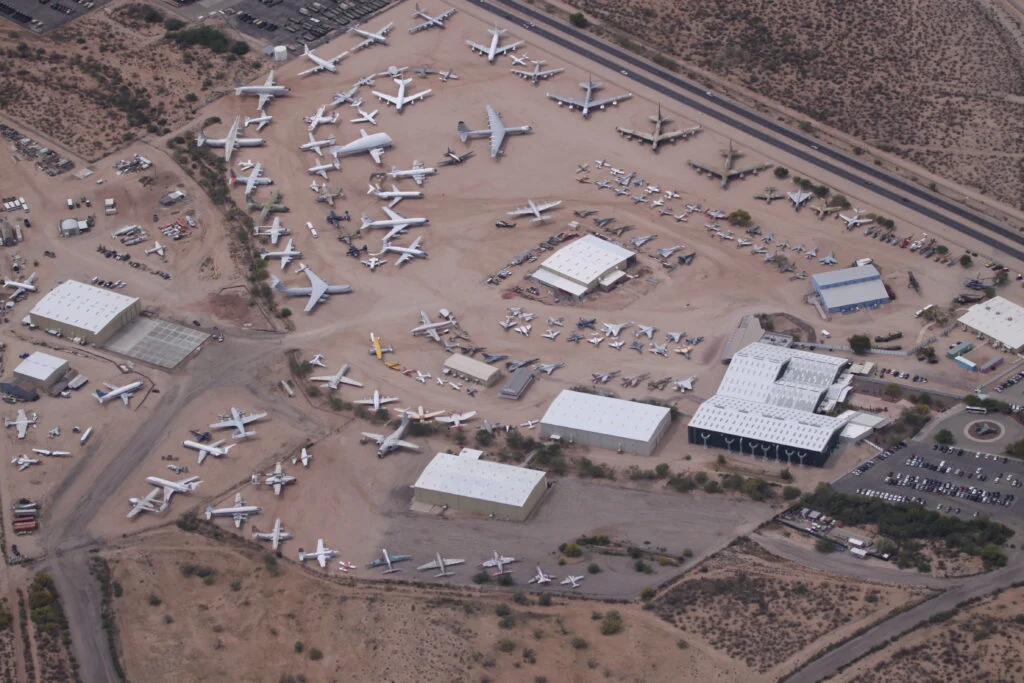
The Pima Air and Space Museum, located in Tucson, Arizona, holds a distinguished place within the landscape of aviation museums in the United States. Established to document and preserve the history of aviation, this institution has grown into one of the largest non-government funded aerospace museums in the world. Tucson itself has a rich connection to aviation and aerospace industries, given its role in aircraft manufacturing and military aviation history throughout the 20th century. The museum reflects this heritage by housing a vast collection of aircraft that span the evolution of flight from its earliest days into the present era. With its roots tied to aerospace innovation and military aviation, the Pima Air and Space Museum serves as a custodian for both historical artifacts and the collective memory of those who contributed to advances in flight technology and aeronautical science, thereby offering visitors a comprehensive insight into the development and impact of aviation on society.
What You See on Arrival
Approaching the Pima Air and Space Museum, visitors are immediately struck by the sheer scale of the facility. Situated on a sprawling site near the Tucson International Airport, the museum’s entrance sets a tone of anticipation, framed by expansive grounds that hint at the number and size of the exhibits to come. Upon entering, guests are greeted by an open courtyard that features outdoor displays including several notable aircraft, which effectively introduce the museum’s primary focus on aerospace history. The entrance area itself functions as a gateway, with clear signage guiding visitors towards the main exhibition halls, visitor center, and amenities such as the gift shop and café. Observing the initial layout, it becomes clear that the museum is designed to accommodate large crowds while offering a comfortable and navigable start to the experience.
Highlights and Key Exhibitions
The core of the Pima Air and Space Museum’s appeal lies in its extensive collection of vintage aircraft, spanning military, commercial, and experimental aviation. One of the most prominent features is the array of iconic warbirds from World War II, the Korean War, and the Vietnam era, including well-preserved fighters, bombers, and reconnaissance planes. Among the standout exhibits are a B-52 Stratofortress bomber and the SR-71 Blackbird, each representing technological milestones in strategic aviation. The museum also dedicates considerable space to commercial airline history, showcasing aircraft that have shaped the modern travel experience. Beyond the aircraft themselves, detailed informational plaques and multimedia displays enrich the storytelling, offering insights into each plane’s design, operational history, and cultural significance. Additionally, the museum presents assorted memorabilia and aviation-related artifacts that deepen understanding of the human stories behind the machines, such as pilot gear, flight instruments, and historic documents. This balance between large-scale exhibits and personal narratives is a defining feature of the museum’s curatorial approach.
Visitor Experience
The Pima Air and Space Museum is designed to appeal to a broad audience, from aviation enthusiasts to casual visitors. Its layout, featuring large hangars and outdoor display areas, allows for a leisurely exploration without feeling overwhelming. Interpretive signage is generally well-written and accessible, although some exhibits could benefit from more interactive or digital elements to engage younger visitors or those less familiar with aerospace terminology. Audio tours and guided tours are available, providing additional context and enhancing the educational value. Many visitors will appreciate the inclusion of resting areas, picnic spaces, and a café offering refreshments, making it possible to spend several hours on site without discomfort. The staff members are known for being knowledgeable and approachable, contributing positively to the overall visitor atmosphere. While the museum’s size necessitates significant walking, courtesy transportation options like shuttle services between key exhibits help mitigate this challenge.
Tickets, Access, and Planning
Ticketing procedures at the Pima Air and Space Museum are straightforward, with a variety of options catering to individuals, families, and groups. Admission prices are reasonable considering the scope and quality of the collection, and discounts are typically available for seniors, military personnel, and children. Visitors are encouraged to check the official website for the latest information on opening hours, ticket prices, and any seasonal adjustments. Accessibility is generally well-considered; the museum grounds and indoor spaces are wheelchair accessible, with parking facilities located conveniently close to the main entrance. For those relying on public transportation, options exist but can be limited given the museum’s location near the airport and somewhat outside the Tucson city center, making private transport or rideshare services popular choices. Adequate signage around the property supports independent navigation, and the museum provides resources for planning visits, including maps and suggested itineraries. Special events or educational programs may require advance booking, so consulting the museum’s communication channels ahead of time is advisable.
Final Verdict
The Pima Air and Space Museum stands as a premier destination for anyone interested in the history and technology of aviation. Its expansive collection, featuring both landmark aircraft and related artifacts, presents a thorough narrative of flight’s development across multiple eras and contexts. By combining large-scale exhibits with engaging interpretive materials and well-designed visitor amenities, the museum offers a fulfilling experience for a diverse audience. Some aspects, such as the integration of more interactive or multimedia content, could enhance engagement, particularly for younger visitors, but these considerations do little to diminish the overall quality of the institution. Its location near Tucson’s airport adds historical resonance yet requires some logistical planning for access. Ultimately, the Pima Air and Space Museum succeeds in preserving the legacy of aerospace innovation and educating the public about aviation’s profound impact on modern life, making it a highly recommended stop for travelers and enthusiasts alike.