Penang War Museum Review
Military Museums · Kampung Sungai Ara, Malaysia. The Penang War Museum, located in Kampung Sungai Ara, Malaysia, stands as a solemn tribute to the turbulent history that shaped the region during the Second World War. Originally a British military fort, the…
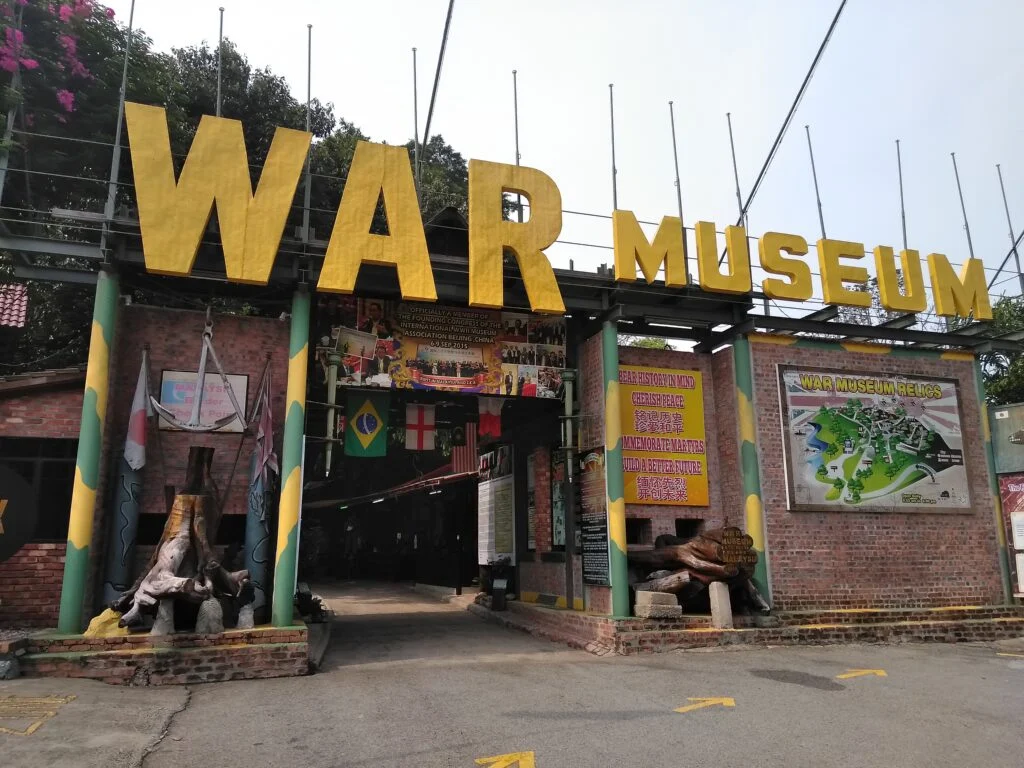
Military Museums · Kampung Sungai Ara, Malaysia. The Penang War Museum, located in Kampung Sungai Ara, Malaysia, stands as a solemn tribute to the turbulent history that shaped the region during the Second World War. Originally a British military fort, the…
Best forArchitecture, royal history, heritage
Review focusArchitecture, history, visitor experience
Historical Context
The Penang War Museum, located in Kampung Sungai Ara, Malaysia, stands as a solemn tribute to the turbulent history that shaped the region during the Second World War. Originally a British military fort, the site was strategically constructed in the late 1930s as a defensive position against potential invasions. When the Japanese forces occupied Malaysia, the fort transformed into a Japanese military stronghold and hill fortress. Its significance extends beyond mere military architecture; the site encapsulates the harrowing experiences of wartime occupation, including accounts of imprisonment and local resistance. Today, the museum preserves not only the physical remnants of the fortifications but also narrates the complex wartime narrative through preserved bunkers, tunnels, and relics, allowing visitors to grasp the multifaceted impact of conflict on Penang and its inhabitants. This historical backdrop provides a profound context for exploring the museum’s exhibitions, offering valuable insights into Southeast Asia’s wartime legacy.
What You See on Arrival
Approaching the Penang War Museum, visitors are immediately greeted by the sprawling, verdant surroundings that envelop the original military structures. The setting is quietly imposing, with thick foliage juxtaposed against the hardened concrete of bunkers and gun emplacements. Signage and information boards guide newcomers to the entrance, subtly framing the museum as a place of reflection and education. The exterior aesthetics offer a glimpse into the purpose behind the fort, with artillery placements and observation posts visible alongside preserved military installations. The setting contrasts the peaceful contemporary environment with the harsh realities of its past. Near the entrance, a small ticket counter receives visitors, and pathways lead into the heart of the historic complex. Even before stepping inside, the site’s haunting atmosphere is tangible, preparing visitors for an immersive historical journey.
Highlights and Key Exhibitions
Visitors to the Penang War Museum encounter an extensive array of original military fortifications that have been carefully preserved and restored to reflect their wartime state. The network of underground tunnels and interconnected bunkers offers a unique vantage point into the defensive strategies employed by the British and Japanese forces during their respective occupations. One of the museum’s standout features is its authentic wartime artifacts, including weaponry, communication devices, and personal items left behind by soldiers. These objects provide a tangible link to the past, making the historical narrative more immediate and compelling.
Apart from static displays, the museum includes reconstructed scenes and dioramas that visualize soldiers’ daily lives and their experiences within the fort. This approach fosters a direct engagement with history by contextualizing the grim realities of warfare beyond abstract timelines and figures. Furthermore, the outdoor areas feature artillery emplacements and defense mechanisms, which offer an educational perspective on military engineering and strategic warfare during the war. The museum’s dedication to preserving the original wartime architecture augments its authenticity, making it a valuable resource for enthusiasts of military history and regional heritage.
Visitor Experience
The visitor experience at the Penang War Museum is characterized by a thoughtful balance of education and reflection. The layout of the site encourages exploration, with well-marked paths that guide visitors through both open-air installations and subterranean tunnels. The museum’s atmosphere is deliberately somber, providing space for contemplation amidst the remnants of a troubled era. Informational placards are clear and concise, offering context without overwhelming the reader. These descriptions enhance understanding for a broad audience, including those less familiar with the intricacies of Southeast Asian military history.
Audio guides and guided tours may be available, enriching the narrative with expert insights, though the museum’s accessible design also supports self-guided visits. Visitors should be prepared for some physical activity due to the museum’s uneven terrain and stair access in certain areas. The lighting within the tunnels and bunkers is generally sufficient yet subdued, amplifying the immersive historical ambiance but potentially challenging for those with limited mobility or visual impairments.
Throughout the visit, there is a noticeable effort to preserve the dignity of the site as a place of remembrance, avoiding overly commercial or theatrical presentations that could detract from its authenticity. The staff are typically knowledgeable and courteous, contributing to an overall respectful and informative environment. Facilities such as rest areas and refreshment points are limited but adequate, encouraging visitors to plan accordingly.
Tickets, Access, and Planning
Entry to the Penang War Museum is straightforward, with tickets priced reasonably to accommodate local and international visitors alike. Group discounts and family rates are sometimes available, which can make visits more economical for larger parties. The museum’s official website serves as a reliable source for up-to-date information on opening hours, admission fees, and any special arrangements during public holidays or maintenance periods.
Access to the site is largely dependent on personal or hired transport, as public transportation options are relatively limited given the museum’s location in Kampung Sungai Ara. Prospective visitors should consider arranging private transfers or taxis for ease of travel. Parking facilities are available on-site but can be constrained during peak visitor periods. The rugged terrain and partially preserved historic structures mean that the museum may not be fully accessible to individuals requiring wheelchair access or those with significant mobility restrictions. Visitors are advised to wear comfortable footwear and bring essentials such as water, especially when planning to explore the extensive outdoor areas.
Information regarding guided tours, educational programs, and group bookings can be accessed through the museum’s official communication channels, enabling visitors to tailor their experience to their interests and needs. Planning visits during weekdays or outside of public holidays may offer a quieter experience, allowing for a more contemplative atmosphere.
Final Verdict
The Penang War Museum offers a compelling and well-preserved window into a critical chapter of Malaysian and Southeast Asian history. Its strength lies in the authenticity of its setting and the palpable connection it fosters between visitors and the wartime experiences that unfolded within its walls. By maintaining original fortifications, tunnels, and tangible relics, the museum transcends conventional exhibits, enabling visitors to engage physically and intellectually with the past.
While the museum is not large by international standards, the depth of historical content and the immersive nature of the environment provide a rich and rewarding experience for those interested in military history, colonial legacies, and the stories of resilience amid conflict. Some practical considerations, including limited accessibility and occasional infrastructural constraints, should be taken into account, but these are outweighed by the site’s educational and commemorative value.
Ultimately, the Penang War Museum stands as more than a historical attraction; it is a place of memory and learning. It challenges visitors to contemplate the complexities of war and occupation in a region that has often been overlooked in mainstream historical discourse. For travelers with a suitably reflective mindset and a respect for history, the museum offers an essential journey into Malaysia’s wartime past.