Museum Barberini Review
Art Museums · Potsdam, Germany. The Museum Barberini, located in the picturesque city of Potsdam, Germany, stands as a testament to the country’s rich artistic heritage and modern museological ambitions. Opened in 2017, the museum occupies a carefully reconstructed…
Art Museums · Potsdam, Germany. The Museum Barberini, located in the picturesque city of Potsdam, Germany, stands as a testament to the country’s rich artistic heritage and modern museological ambitions. Opened in 2017, the museum occupies a carefully reconstructed…
Best forMasterpieces, architecture, cultural history
Review focusCollection highlights, building, visitor flow
Historical Context
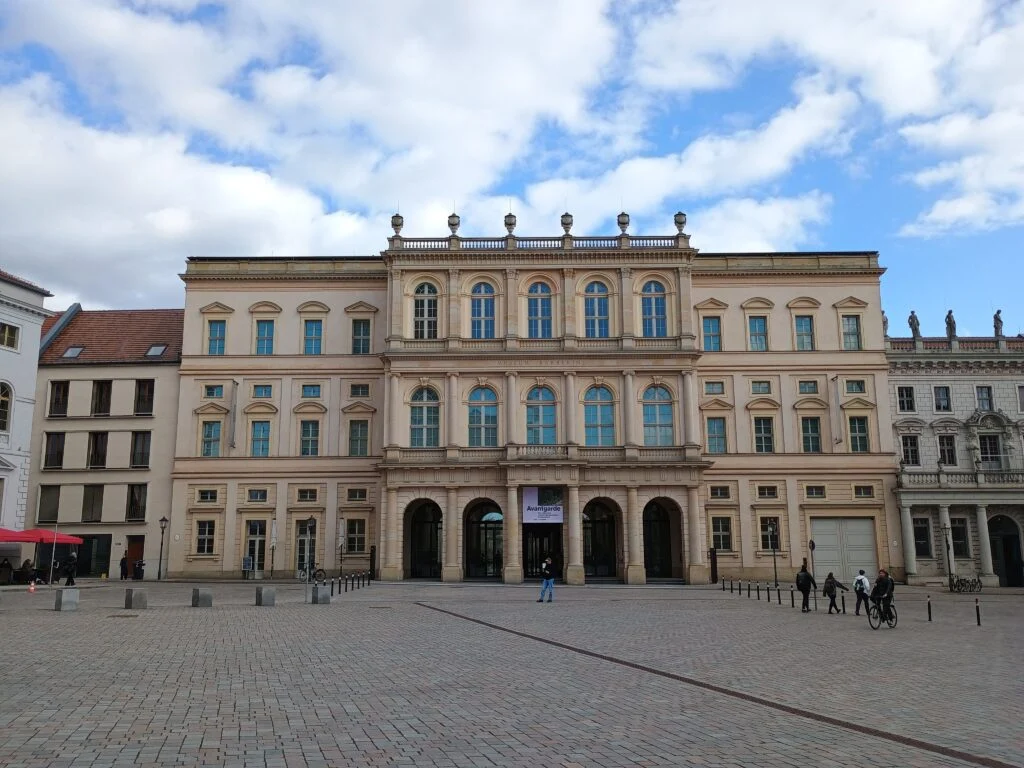
The Museum Barberini, located in the picturesque city of Potsdam, Germany, stands as a testament to the country’s rich artistic heritage and modern museological ambitions. Opened in 2017, the museum occupies a carefully reconstructed Baroque palace on Potsdam’s historic Alter Markt square, replicating a building originally designed by Georg Wenzeslaus von Knobelsdorff in the 18th century. This architectural homage connects contemporary art presentation with the cultural and historical traditions of the region. The museum was founded with a vision to foster a dynamic dialogue between different periods and styles of art, particularly emphasizing the impressionist and modernist movements alongside contemporary works. It is owned and supported by an international private collection, the Barberini Foundation, which aims to make art accessible to a broad audience while reflecting the complex history of German art. Within the context of Potsdam—a city with a profound artistic and political past—the Museum Barberini plays a significant role in cultivating an appreciation for visual culture in a city renowned for its historic palaces and parks.
What You See on Arrival
Approaching the Museum Barberini, visitors are greeted by a strikingly authentic Baroque façade that harmoniously integrates into the historic fabric of Potsdam’s city center. The exterior’s characteristic pale stone and ornate details evoke an 18th-century elegance, setting the stage for a refined cultural experience. The museum’s central location near the river and close to other landmarks ensures it is an integral part of any cultural itinerary. The entrance lobby is bright and welcoming, with a spacious, modern interior that contrasts pleasantly with the classical exterior, immediately suggesting a fusion of tradition and contemporary museology. Clear signage and an inviting atmosphere provide ease of orientation, while the ground floor offers introductory displays and visitor services including a well-stocked bookstore and a café, ideal for reflection before or after exploring the exhibitions. The blend of baroque architectural details and modern design elements reflects the museum’s commitment to bridging historical and modern artistic narratives.
Highlights and Key Exhibitions
The Museum Barberini has rapidly established itself as an institution focused on exemplary exhibitions, largely revolving around impressionist art, German expressionism, and significant 20th-century movements. Central to its collection are works by masters such as Claude Monet, Pierre-Auguste Renoir, and Paul Cézanne, whose paintings represent the pinnacle of impressionist innovation and subtlety. The museum also devotes considerable energy to showcasing German expressionism, with pieces by Ernst Ludwig Kirchner, Emil Nolde, and other artists who captured the emotional intensity and social upheavals of early 20th-century Europe. While the museum does not maintain a permanent collection in the traditional sense, its temporary exhibitions consistently draw from renowned collections and private loans, ensuring a rotating program that prioritizes quality and scholarship. Exhibitions often emphasize thematic and contextual narratives, enriching the viewer’s understanding of the art’s cultural significance and its socio-political context, reinforcing the museum’s educational mission.
Visitor Experience
The Museum Barberini is applauded for its thoughtful curation and immersive presentation style. The exhibition spaces are architecturally intimate yet spacious enough to accommodate large-scale works and diverse media without overcrowding. Walls are painted in neutral, light tones that enhance the colors and details of the artworks while providing comfortable lighting conditions that vary subtly to best suit different pieces. Informative wall texts and audio guides supplement the visual experience with insightful commentary, though the depth of information can feel selective depending on the exhibition. The museum encourages a contemplative atmosphere, complemented by well-placed seating areas that invite visitors to pause and engage more deeply with the art. Staff members are often praised for their professionalism and helpfulness, contributing positively to the overall experience. The on-site café offers a pleasant setting, with tasteful décor and seasonal menus that complement a day spent appreciating visual culture without distraction.
Tickets, Access, and Planning
Entrance to the Museum Barberini is structured to accommodate a straightforward and convenient visit. General admission prices are competitive for a museum of its caliber, with discounts available for students, seniors, and groups, making it accessible to a wide range of visitors. The museum also offers combination tickets and special rates during opening hours for extended visits or multiple exhibitions, appealing to art enthusiasts with varied interests. Accessibility for visitors with mobility impairments is thoughtfully addressed, with step-free access, elevator availability, and adapted restroom facilities ensuring a barrier-free experience. The museum is well-served by public transportation options in Potsdam, including nearby bus and tram lines, while parking facilities in the vicinity address the needs of those arriving by car. Given the museum’s popularity and limited size of exhibition spaces, booking tickets in advance is strongly recommended, especially on weekends and during holiday periods, to minimize waiting times and secure entry to special exhibitions.
Final Verdict
The Museum Barberini in Potsdam emerges as a compelling cultural destination that effectively blends historical reverence with contemporary curatorial practices. Its architectural design alone is a sight to behold, cleverly encapsulating Potsdam’s artistic legacy while serving as a sophisticated home for world-class exhibitions. The museum’s commitment to high-quality impressionist and modern art exhibitions, combined with a strong educational focus, positions it as a must-visit for those interested in art history and the evolution of European painting. While the absence of a large permanent collection means the museum’s offerings can shift seasonally, this dynamic approach contributes to its vitality and appeal. Visitor facilities, accessibility, and the commitment to an engaging atmosphere round out an experience that is both enriching and comfortable. For visitors to Potsdam, or art lovers within reach of the Brandenburg region, the Museum Barberini promises a deeply rewarding encounter with some of the most influential movements in art history.