Livingstone Railway Museum Review
Tickets & Tours
Compare ticket options and guided tours from trusted booking partners.
We may earn a commission if you book through these links.
Historical Context
The Livingstone Railway Museum, situated in the vibrant city of Livingstone, Zambia, offers a distinctive glimpse into the rich history of rail transportation in Southern Africa. Founded to preserve and showcase the development of the railway system, the museum serves as a tribute to the significant role railways played in the region’s economic growth and social transformation. Established during an era when railways were pivotal to the movement of goods, people, and cultural exchange, the museum captures the story of Zambia’s integration into the larger Southern African rail network. Especially important is its location in Livingstone, a key hub near the Zimbabwean border and the iconic Victoria Falls, a nexus for trade and tourism. The museum’s collections and exhibitions trace not only the technological evolution of railway engineering but also the broader impact these transportation arteries have had on the shaping of local communities, urbanization, and regional connectivity. This historical perspective frames Livingstone Railway Museum as an essential cultural institution for understanding both local heritage and the broader narrative of railway history in Africa.
What You See on Arrival
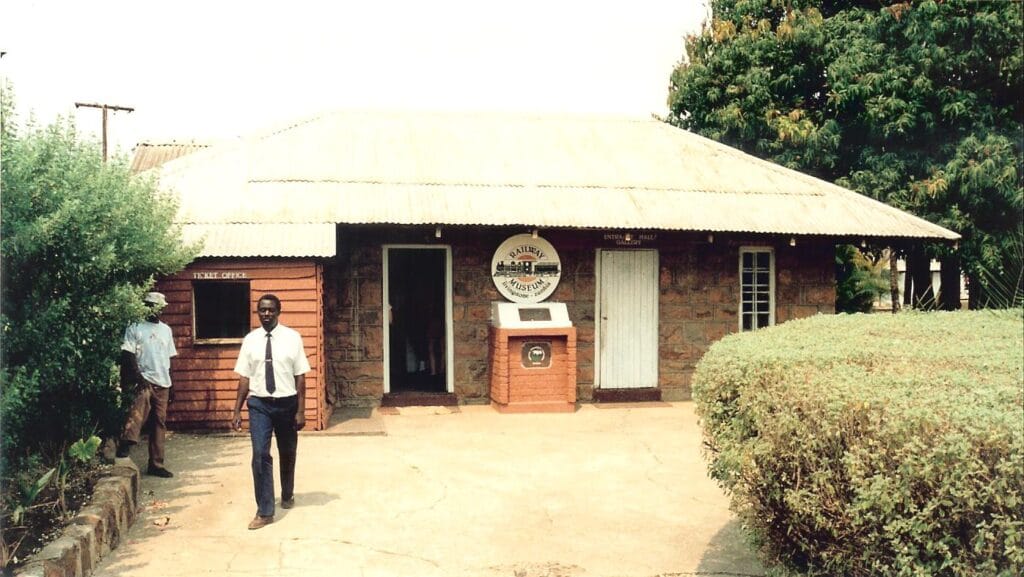
Upon approach, visitors to the Livingstone Railway Museum are greeted by the distinctive architecture that echoes colonial-era railway station design. The building itself carries a nostalgic charm, with period features such as arched windows, wooden beams, and vintage signage contributing to the authentic ambiance. Outside the museum, a small collection of restored railcars and locomotives stands on display, immediately signaling the museum’s focus and setting the tone for what lies inside. The proximity to active rail lines adds a sense of ongoing railway activity, blending the past with present-day operations. The landscaping is modest but well-maintained, with clear pathways guiding visitors toward the main entrance and information desk. Signage is generally clear, although some wayfinding could benefit from additional multilingual support given the diverse visitor profile. The initial impression is one of a specialized, intimate museum that prioritizes historical preservation and educational engagement over large-scale spectacle.
Highlights and Key Exhibitions
The museum has curated a noteworthy collection that offers a well-rounded depiction of railway history in the region. Among the standout features are several fully preserved locomotives and carriages, each accompanied by detailed explanatory panels outlining their origins, engineering specifications, and operational histories. These exhibits provide valuable insights into the various eras of railway development, from early steam engines to mid-century diesel models. The interactive displays and models offer engaging educational opportunities for visitors seeking to understand the mechanics and social aspects of railway travel.
A particularly compelling section of the museum is dedicated to the stories of railway workers and their communities. Photographs, oral histories, and artifacts such as uniforms and tools bring a human dimension to the exhibitions, highlighting how the rail industry shaped livelihoods and local culture. Additionally, there is a focus on cross-border exchanges facilitated by the rail network, touching upon themes of migration and commerce.
While the permanent collection is informative and thoughtfully presented, the museum’s exhibition space is somewhat constrained, which limits the scope of larger artifacts and immersive displays. The textual information tends to be concise rather than deeply analytical, catering to a broad audience but potentially leaving more specialized visitors seeking additional resources.
Visitor Experience
The Livingstone Railway Museum delivers a visitor experience characterized by intimacy and focused historical storytelling. The museum staff are knowledgeable and approachable, adding value by providing context and answering questions, though opportunities for guided tours are limited and may need to be arranged in advance. Interpretation throughout the museum strikes a balance between accessibility and detail, making it suitable for family visits, school groups, and casual tourists with an interest in history or engineering.
One of the museum’s strengths lies in its ability to connect broader historical themes to the local context of Livingstone. However, the space’s compactness sometimes results in a crowded feel during peak hours, which can detract somewhat from the contemplative enjoyment of exhibits. Seating areas and places to rest are minimal, which might present a challenge to visitors with mobility issues or those wishing to pause frequently.
Additional visitor amenities, such as a small gift shop and a modest refreshment area, enhance the overall visit but remain limited in scale and selection. Digital engagement options, including mobile app support or virtual tours, appear to be underdeveloped, suggesting potential avenues for future enhancement.
Tickets, Access, and Planning
Admission to the Livingstone Railway Museum is reasonably priced with tiered rates to accommodate local residents, children, and groups. Tickets can be purchased on-site, but the absence of a robust online booking system may pose minor inconveniences for international travelers or those planning around tight schedules. The museum’s official website provides essential visitor information but could benefit from expanded content such as detailed maps, event calendars, and multilingual resources.
Accessibility is a mixed picture; the building’s age and adaptations mean that wheelchair access is available but limited in certain areas. Clear signage regarding access features is present but could be improved to ensure inclusivity. Parking is available in the vicinity, though spaces are limited, and public transportation options include nearby bus and taxi services, reflecting Livingstone’s role as a regional transport hub.
Visitors are advised to allocate approximately one to two hours to fully explore the museum’s offerings, allowing time for engagement with the key exhibits and any available guided commentary. The museum’s location near other Livingstone attractions makes it feasible to combine with visits to Victoria Falls or local markets, making it a complementary cultural stop for a varied itinerary.
Final Verdict
The Livingstone Railway Museum stands as a valuable cultural institution that preserves an important facet of Zambia’s and Southern Africa’s industrial heritage. Its focused collection and historical narratives provide insight into the transformative power of rail transport in shaping regional economies and communities. The museum’s modest scale lends itself to a personal and educational experience, though it simultaneously limits the potential for large-scale exhibitions or extensive interactive programming.
While certain practical aspects such as digital engagement, accessibility enhancements, and visitor amenities present opportunities for growth, the museum compensates with well-curated displays, knowledgeable staff, and a meaningful connection to Livingstone’s unique historical context. For travelers interested in railway history, industrial heritage, or the socio-economic stories of Southern Africa, the Livingstone Railway Museum offers a compelling and informative destination. It serves both as a tribute to technological progress and a reminder of the human stories intertwined with the iron tracks that helped shape the region.