Hamburger Kunsthalle Review
Art Museums · Hamburg, Germany. The Hamburger Kunsthalle, located in Hamburg, Germany, stands as an eminent institution within the European art world, celebrated for its extensive and diverse collections that span several centuries. Founded originally in the mid-19th century,…
Art Museums · Hamburg, Germany. The Hamburger Kunsthalle, located in Hamburg, Germany, stands as an eminent institution within the European art world, celebrated for its extensive and diverse collections that span several centuries. Founded originally in the mid-19th century,…
Best forMasterpieces, architecture, cultural history
Review focusCollection highlights, building, visitor flow
Historical Context
The Hamburger Kunsthalle, located in Hamburg, Germany, stands as an eminent institution within the European art world, celebrated for its extensive and diverse collections that span several centuries. Founded originally in the mid-19th century, the Kunsthalle has undergone multiple expansions and renovations, which have contributed to its present-day status as one of Germany’s largest and most important art museums. It has played a pivotal role in preserving and showcasing Northern European art while also embracing international movements, offering a broad narrative of art history from the Middle Ages through contemporary periods. The museum's collections are not merely episodic but rather curated to reflect recurring themes and artistic evolutions, facilitating a deeper understanding of cultural, social, and artistic contexts. This layered historical significance underpins the Kunsthalle’s standing as an essential destination for both casual visitors and serious art connoisseurs.
What You See on Arrival
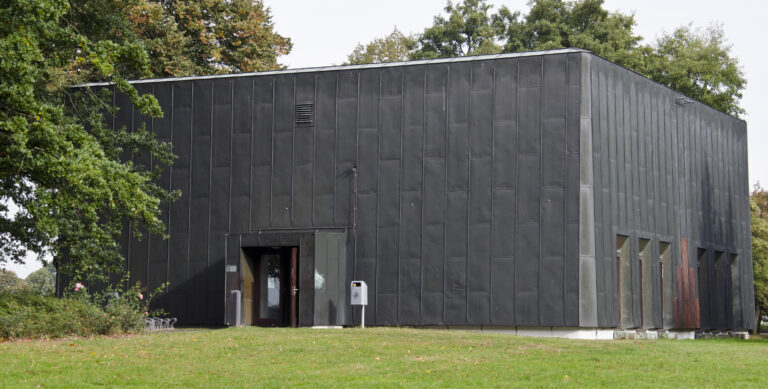
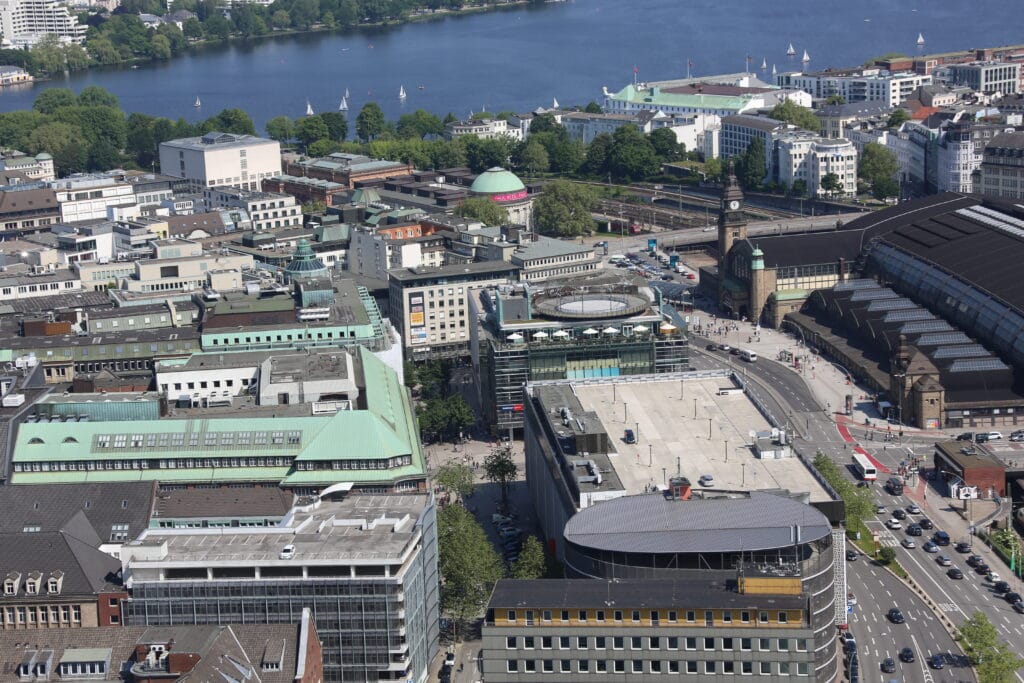
Upon arriving at the Hamburger Kunsthalle, visitors are immediately struck by its architectural juxtaposition of old and new. The museum complex consists of three distinct buildings: the classicist main building dating from the 19th century, the modern light-filled Galerie der Gegenwart, and the post-war extension. This fusion of architectural styles reflects the Kunsthalle’s commitment to honoring tradition while embracing contemporary art. The exterior is understated yet dignified, situated near Hamburg’s central railway station and well integrated into the surrounding urban fabric. Once inside, the entrance hall offers a spacious and welcoming atmosphere with clear signage guiding visitors to different wings of the museum. The layout provides a logical progression through time periods and art styles. The immediate visual impact is one of breadth and depth, promising a journey that covers centuries without losing coherence or focus.
Highlights and Key Exhibitions
The Hamburger Kunsthalle’s collection is notably comprehensive, with strengths in Northern European art, German Romanticism, and modern and contemporary movements. Its Old Masters collection features significant works from the 14th to the 19th century, including paintings and sculptures by artists linked to the Northern Renaissance and Baroque periods. Visitors can expect works from prominent painters such as Caspar David Friedrich, whose Romantic landscapes evoke profound emotional responses and encapsulate the era’s fascination with nature and spirituality.
The 19th-century section includes exemplary works from the German Impressionists and the Hamburg School, which emphasize the city’s cultural heritage and artistic milieu. Noteworthy are pieces by Max Liebermann, a representative of German Impressionism who contributed significantly to the transition towards modern art.
Contemporary art enthusiasts will find the Galerie der Gegenwart particularly engaging. This dedicated space showcases an evolving collection of 20th- and 21st-century art, encompassing various media including painting, sculpture, photography, and installations. The museum’s approach here is to provide context and contrast to the historical collections, offering visitors a cohesive narrative of artistic development. Although temporary exhibitions fluctuate, the permanent collection itself offers a rich panorama of post-war and contemporary art, spotlighting German and international artists.
One of the Kunsthalle’s distinguishing features is its interdisciplinary approach, occasionally incorporating graphic arts and drawing collections that are among the most important in Germany. This attention to detail and variety creates a multi-dimensional experience that enriches the visitor’s understanding beyond conventional painting and sculpture.
Visitor Experience
The Hamburger Kunsthalle is designed with visitor engagement and comfort in mind. Signage throughout the museum is clear and informative, with descriptions available in both German and English, enhancing accessibility for international guests. The spatial organization supports a logical flow, but there also exists enough flexibility for visitors to explore according to their personal interests.
The museum provides comprehensive audio guides and printed materials that delve into the historical and artistic significance of key works, ensuring that both newcomers to art and seasoned aficionados find value in their visit. The staff, whether at the information desks or galleries, are generally described as knowledgeable and helpful.
In addition to the galleries, the museum boasts a well-appointed café and a bookstore that offers a curated selection of art books and merchandise. These amenities contribute to an overall immersive museum experience, allowing visitors to relax and reflect on the artworks encountered.
Certain areas of the museum, notably the newer extensions, benefit from abundant natural light, enhancing the display of artworks and creating an inviting atmosphere. Conversely, the older sections maintain a more traditional museum ambiance, providing a fitting context for the historical works. The balance between these differing spatial experiences plays a subtle but significant role in shaping the overall visit.
Tickets, Access, and Planning
Planning a visit to the Hamburger Kunsthalle is straightforward. The museum operates regular opening hours, typically Tuesday through Sunday, with closures on major public holidays. Admission fees are reasonable, and there are concessions for students, seniors, and groups, making the venue accessible to a broad demographic. Additionally, the Kunsthalle offers free entry on certain days or times, which is worth checking in advance via their official website.
The museum’s central location in Hamburg ensures excellent public transport connectivity, with the Hauptbahnhof (central railway station) nearby as well as multiple bus and subway lines. For those arriving by car, parking options are available within walking distance, though visitors are encouraged to use public transportation given the urban setting.
Accessibility is a priority of the Kunsthalle. Most areas are wheelchair accessible, and assistance is available for visitors with mobility challenges or other needs. The museum also emphasizes inclusivity through offering materials and programs that cater to diverse audiences, such as guided tours for children or tailored group visits.
Final Verdict
The Hamburger Kunsthalle represents an outstanding institution for art lovers, combining a rich historical collection with a dynamic contemporary program. Its architectural composition reflects its cultural mission, blending tradition with modernity to create a cohesive visitor experience. The breadth and depth of the collection, especially with its strong representation of Northern European and German art, make it a vital destination for understanding artistic developments across centuries.
While the museum is ambitious in scope, it maintains clarity and accessibility, encouraging exploration without overwhelming the visitor. The attentive visitor experience, including multilingual resources and convenient amenities, further enhances its appeal.
For anyone with an interest in European art history, from Romantic landscapes to cutting-edge contemporary installation, the Hamburger Kunsthalle offers a rewarding and thoughtfully curated encounter. Its central location in one of Germany’s major cities adds to its appeal as a cultural landmark, making it a must-visit for residents and tourists alike seeking a deep and meaningful immersion in the visual arts.