Bronzealderhuset Review
Archaeology Museums · Vojens, Denmark. Bronzealderhuset in Vojens, Denmark, stands as a remarkable testament to the region’s rich Bronze Age heritage, offering insight into the lives and practices of the people who inhabited this part of Scandinavia some 3,000…
Archaeology Museums · Vojens, Denmark. Bronzealderhuset in Vojens, Denmark, stands as a remarkable testament to the region’s rich Bronze Age heritage, offering insight into the lives and practices of the people who inhabited this part of Scandinavia some 3,000…
Best forScience, technology, hands-on learning
Review focusExhibits, interpretation, visitor flow
Historical Context
Bronzealderhuset in Vojens, Denmark, stands as a remarkable testament to the region’s rich Bronze Age heritage, offering insight into the lives and practices of the people who inhabited this part of Scandinavia some 3,000 years ago. The museum centers around a rare reconstruction of a Bronze Age house, painstakingly recreated to reflect the architectural and living conditions of the period. This era was marked by significant developments in metalworking, agriculture, and social organization, and sites like Bronzealderhuset help contextualize these advancements within the everyday lives of prehistoric communities. Denmark’s archaeological landscape, replete with burial mounds and artifacts, is brought to life here through the museum’s dedication to authenticity and education. Through its blend of archaeology and interpretive reconstruction, Bronzealderhuset contributes significantly to the understanding of Bronze Age society, not only within Denmark but in the wider European context.
What You See on Arrival
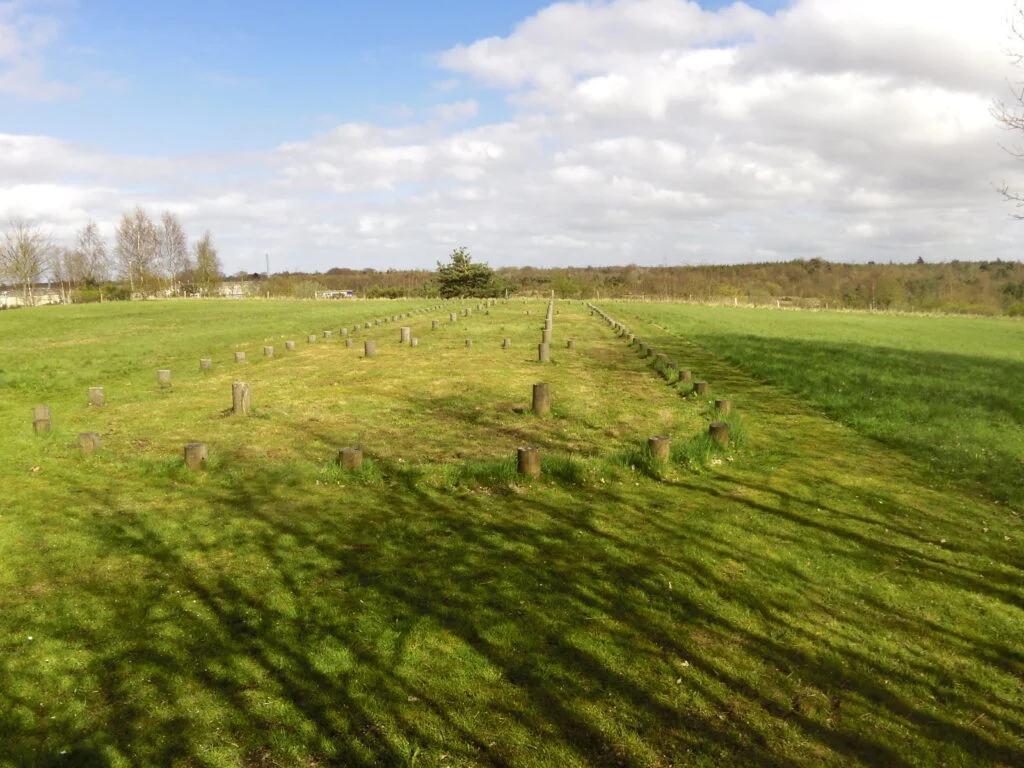
Approaching Bronzealderhuset, visitors are immediately met with the striking silhouette of the reconstructed Bronze Age house. Nestled in a tranquil setting in the town of Vojens, the building itself is a powerful visual anchor, built with materials and techniques honed through archaeological research. The surroundings complement the historical ambiance, with open grounds designed to evoke the prehistoric landscape that the original inhabitants would have experienced. Informative signage introduces the site’s significance, preparing visitors for an immersive journey into the past. The museum’s modest size is a deliberate choice, reflecting the scale of Bronze Age dwellings rather than overwhelming the visitor with sheer volume. Adjacent areas typically include displays that provide context and artifacts found in the region, allowing an overview of Bronze Age culture before entering the house itself. This initial encounter sets an intimate and educational tone for the visit.
Highlights and Key Exhibitions
The centerpiece of the museum is undeniably the reconstructed Bronze Age house itself. Every aspect of the dwelling—from the timber framing and thatched roof to the interior layout—is designed to offer an authentic snapshot of prehistoric domestic life. The interior is arranged with recreated furnishings and tools, including woven textiles, wooden utensils, and rudimentary cooking implements, illustrating daily activities in vivid detail. Supplementary exhibits showcase artifacts uncovered from local excavations, such as jewelry, weapons, and agricultural implements, providing tangible connections to the people who once lived in the area. A notable element is the focus on craftsmanship and domestic activity, which distinguishes Bronzealderhuset from museums that concentrate solely on monumental finds. These displays help bridge the gap between archaeological remains and human experience, allowing visitors to appreciate the ingenuity and resourcefulness required to thrive in the Bronze Age environment.
Visitor Experience
Bronzealderhuset commits to a hands-on, experiential visit that encourages learning through interaction and immersion. Guided tours and interpretive panels facilitate an understanding of the complex social and environmental context of the Bronze Age. Though the museum is relatively small, this intimacy fosters a contemplative atmosphere where visitors can engage deeply with the material culture on display. The tactile nature of the reconstructed house, combined with opportunities to see traditional techniques borne out in demonstration or video format, enhances the educational value. Staff at the site typically provide knowledgeable commentary, further enriching the narrative. However, those seeking extensive, blockbuster museum experiences with vast collections might find the scope here to be more focused and specialized. For history enthusiasts, educators, or families with an interest in archaeology, the museum offers a uniquely engaging glimpse into ancient life that balances scholarly insight with accessibility.
Tickets, Access, and Planning
Visitor information is straightforward, with ticket prices that reflect the museum’s scale and educational focus rather than those of a large public institution. Entry fees are reasonable, ensuring accessibility for a broad audience including local residents and tourists. Bronzealderhuset is situated in Vojens, a small town that is reachable by car or regional public transportation, although travel arrangements might require some planning due to limited service frequency. The site is family-friendly, with clear signage and facilities that cater to a variety of age groups, though it is advisable to check opening hours in advance, as these can vary seasonally. Accessibility provisions are in place to accommodate visitors with mobility concerns, but as an outdoor and partly reconstructed historical site, some terrain irregularities may be present. The official website offers essential visitor details and contact information to facilitate trip planning.
Final Verdict
Bronzealderhuset presents a compelling and carefully curated window into Bronze Age Denmark, distinguished by its authentic reconstruction and focus on everyday life rather than grand historical narratives alone. Its strength lies in the experiential and educational opportunities it offers, delivering an immersive understanding of ancient domestic spaces and cultural practices. While it may not appeal to those expecting extensive collections or high-tech exhibitions, the museum’s deliberate simplicity and scholarly grounding make it a valuable destination for those interested in archaeology, history, and cultural heritage. It stands as an excellent example of how regional museums can deepen appreciation for early European history through hands-on learning and thoughtful presentation. For visitors to Vojens and the surrounding area, Bronzealderhuset is a meaningful stop that enriches the story of Denmark’s prehistoric past.