Aalborg Historiske Museum Review
The Aalborg Historiske Museum, located in the northern Danish city of Aalborg, offers a comprehensive window into the region’s past.
The Aalborg Historiske Museum, located in the northern Danish city of Aalborg, offers a comprehensive window into the region’s past.
Best forAncient history, archaeology, cultural heritage
Review focusArchaeological collections, context, and visitor planning
Historical Context
The Aalborg Historiske Museum, located in the northern Danish city of Aalborg, offers a comprehensive window into the region’s past, tracing the historical contours of North Jutland from prehistoric times through to the modern era. Established with a mission to preserve and present the rich cultural heritage of the area, the museum plays a pivotal role in documenting local history, archaeology, and ethnography. Through its collections, the institution explores key episodes in the development of Aalborg and its surroundings, including Viking Age artifacts, medieval urban growth, and the transformations brought about by industrialization. Reflecting Denmark’s broader historical narrative, the museum contextualizes regional events within national and European dynamics, thus providing visitors with a multi-layered understanding of the city’s evolution. The museum’s dedication to academically sound curation, combined with an inclusive approach to storytelling, ensures that it serves both as a scholarly resource and an accessible cultural site for the wider public.
What You See on Arrival
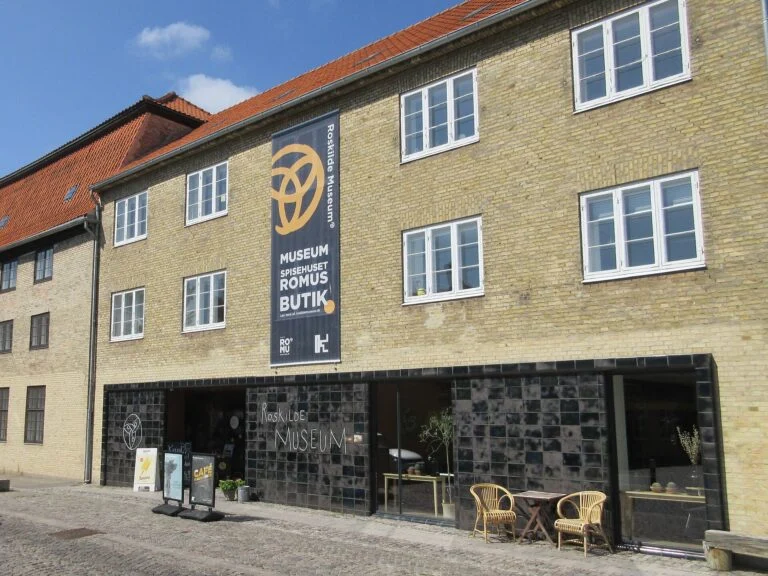
The Aalborg Historiske Museum is situated in a location that balances accessibility with a sense of historical ambiance. Upon arrival, visitors are greeted by a building that blends modern architectural sensibilities with traditional Danish design elements, harmoniously integrating the museum within the urban fabric of Aalborg while hinting at the historical narratives housed within. The exterior is modest yet inviting, with clear signage directing guests towards the entrance and ancillary services. Surrounding the museum, landscaped areas contribute to a peaceful atmosphere, contrasting with the bustling city nearby. Immediately noticeable is the attention to wayfinding and the presence of informational panels that prepare visitors for the substantive journey through Aalborg’s past. The entrance hall serves as a reception and orientation point, equipped with helpful staff and resources. The integration of digital kiosks and printed materials at this stage caters to diverse visitor preferences, assisting in initial navigation and promoting awareness of the museum’s offerings before beginning the exhibition circuit.
Highlights and Key Exhibitions
The core strength of the Aalborg Historiske Museum lies in its ability to seamlessly weave together artifacts, interactive displays, and informative narratives that bring the region’s storied past to life. Among its standout exhibitions is the collection of Viking Age relics, which boasts a range of well-preserved tools, weapons, and jewelry recovered from local archaeological sites. This section vividly reconstructs the daily lives and spiritual practices of inhabitants during this influential period, supported by thoughtfully crafted interpretive texts and multimedia elements that deepen engagement. Another highlight is the medieval urban history exhibit, which showcases Aalborg’s transformation from a strategic trading hub into a thriving city, featuring maps, manuscripts, and sculptural works that trace the contours of medieval city planning and social structures.
Equally compelling is the museum’s presentation of the industrial era, where the narrative shifts to focus on technological progress and its socioeconomic impacts on the region. Here, machinery fragments, factory models, and workers’ artifacts outline the story of Aalborg as it navigated modernity, industrialization, and shifting labor dynamics. Ethnographic displays enrich the exhibition by illuminating folk traditions, dress, and everyday objects that reflect local identity and continuity amid change. The museum’s curators have curated an experience that is both chronological and thematic, allowing visitors to grasp the continuity and disruptions experienced over centuries.
Visitor Experience
The museum is designed to cater to a broad audience, balancing scholarly depth with engaging presentation styles. The exhibition spaces are well-lit, spacious, and thoughtfully arranged to facilitate an intuitive flow from one historical era to another. Informational plaques are available in both Danish and English, ensuring accessibility for international visitors. Interactive features, including touchscreens and replica artifacts, allow a hands-on approach that appeals to families and younger audiences, fostering an active learning environment.
Staff members are described as knowledgeable and approachable, ready to assist with queries and provide additional context, enriching the visitor’s understanding. The museum also offers guided tours and educational programs, which enhance the experience for those seeking a deeper dive into specific subjects. Visitor amenities such as seating areas and cafes are present, offering places to rest and reflect. The overall ambiance is calm yet stimulating, encouraging both casual exploration and focused study.
Tickets, Access, and Planning
Admission pricing at the Aalborg Historiske Museum is reasonable and reflects its status as a public cultural institution. Concessions are available for seniors, students, and group bookings, while children under a certain age may enter free, making the museum an accessible option for families. Information regarding ticket purchases is clearly presented on the official website, allowing prospective visitors to plan efficiently. The museum is easily reachable via public transport, with nearby bus stops and parking facilities catering to those arriving by car.
Accessibility features are thoughtfully incorporated, including ramps, elevators, and accessible restrooms, ensuring that individuals with mobility challenges can navigate the space with ease. The museum’s website provides comprehensive visitor information, such as opening hours, special events, and recommendations, enabling effective trip planning. While temporary exhibit schedules are not emphasized here, the museum maintains a steady rotation of displays that reflect ongoing research and community engagement.
Final Verdict
The Aalborg Historiske Museum stands out as an exemplary institution for anyone interested in understanding the historical and cultural dynamics of North Jutland and, by extension, Denmark. Its careful curation, encompassing archaeological treasures, urban histories, and industrial narratives, fosters a well-rounded perspective on regional development across centuries. The museum’s ability to marry academic rigor with visitor-friendly presentation ensures it appeals to a diverse audience, including scholars, students, families, and tourists.
While the institution leans heavily on established collections, leaving less room for highly experimental exhibition formats, this choice lends clarity and coherence to the visitor journey. The attentiveness to accessibility, both physical and intellectual, underpins its role as a community resource and cultural beacon. In sum, the Aalborg Historiske Museum provides a compelling, well-structured exploration of the past, anchored by local relevance and enriched by thoughtful storytelling. It remains an essential stop for those seeking to deepen their appreciation of Danish heritage within a broader European context. Those planning a visit will find ample information and practical support to make the most of their cultural experience in Aalborg. For additional details and updates, prospective visitors are encouraged to consult the museum’s official website at http://www.nordmus.dk/aalborg-historiske-museum.