Winter War Museum Finland
About: Approach the museum as a focused historical and memorial experience rather than a large general war collection. The value lies in the combination.
Best forScience, technology, hands-on learning
Setting / nearbyEurope, Finland
Overview
The Winter War Museum in Finland is the kind of museum that carries significance far beyond its physical size. Any institution devoted to the Winter War immediately deals with one of the most defining chapters in modern Finnish history: the conflict of 1939–1940, when Finland faced invasion under extreme winter conditions and fought a war that left a lasting mark on national memory. A museum built around this subject is therefore never only about military events. It is also about endurance, fear, loss, strategy, landscape, and the relationship between national identity and historical crisis.
What makes a Winter War museum especially compelling is the clarity of its theme. Unlike larger military museums that span centuries and many conflicts, this kind of museum can focus intensely on a short but decisive period. That concentration often gives the visit greater emotional and historical force. Visitors are not asked to move quickly across broad timelines. Instead, they are drawn into a specific conflict with its own atmosphere, geography, and moral pressure. The result can be a museum experience that feels both immediate and deeply reflective.
The Winter War also remains unusually powerful in public memory because it combines military history with a strong sense of national survival. Museums devoted to it often explore not only battles and equipment, but also civilian life, mobilization, harsh weather, supply challenges, improvised tactics, and the psychological strain of fighting in winter conditions. This broader approach matters. Without it, the war could be reduced to a story of battlefield movement alone. A strong museum shows instead how the conflict affected society as a whole.
For visitors to Finland, this gives the Winter War Museum a special value. It offers insight into a period that continues to shape how Finnish history is understood both inside and outside the country. For Finnish visitors, it can function as a place of remembrance and historical reflection. For international travelers, it provides a focused way to understand a conflict that is often mentioned in general history but not always fully appreciated. That makes the museum important not only as a local attraction but as a serious historical destination.
Collection Highlights
The strongest aspect of a Winter War museum is usually the way it brings together military objects and human stories. Uniforms, weapons, field gear, maps, documents, photographs, and wartime communications all help explain the material reality of the conflict. These kinds of displays are often most effective when they do not stand alone, but are connected to interpretation about terrain, weather, frontline conditions, and the individuals who used them. In a museum centered on the Winter War, objects gain much of their meaning from context.
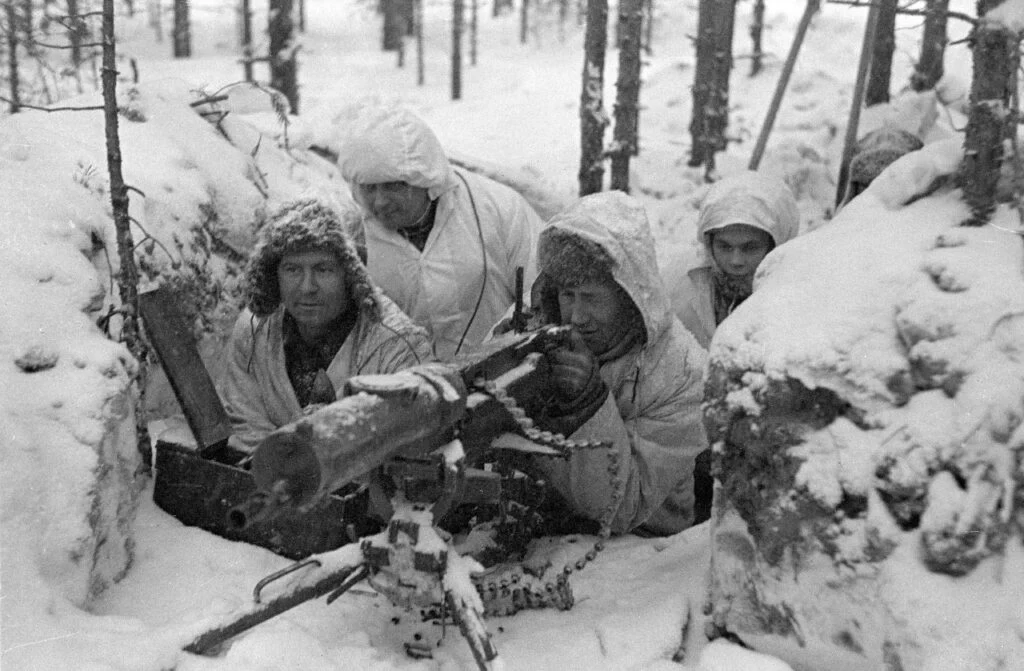
Weapons and equipment are often among the most visually immediate highlights. Yet in this kind of museum, they are important not simply as examples of military technology. They show how soldiers operated in an environment defined by cold, forested terrain, limited visibility, and logistical difficulty. A rifle, uniform, sled, field stove, or communications device may seem modest in isolation, but together such objects help visitors understand the daily realities of fighting in winter conditions. That practical dimension is essential to the subject.
Maps and battlefield material also tend to play an important role. The Winter War is not only remembered for courage and resistance, but also for geography and tactical adaptation. Museums on this topic often help visitors see how landscape shaped military decisions and outcomes. Forests, snow, frozen ground, roads, and remote positions were not background details. They were active forces in the history being told. When museums present this clearly, they give visitors a much stronger grasp of why the conflict unfolded as it did.
Personal objects and testimonies are often among the most affecting parts of the collection. Letters, photographs, diaries, smaller possessions, and records linked to individual soldiers or civilians can make the history feel immediate in a way that larger military displays cannot. These materials remind visitors that the Winter War was lived through by individuals under enormous pressure. Such objects often carry emotional weight far beyond their size, especially when displayed with care and good interpretation.
Another strength of a Winter War museum lies in how it presents the broader human cost of conflict. A museum of this kind should not only show resistance and tactical success. It should also communicate loss, displacement, injury, and the burden placed on both soldiers and civilians. This makes the visit more serious and more complete. The best museums in this field balance respect for determination with honest recognition of suffering.
Building and Setting
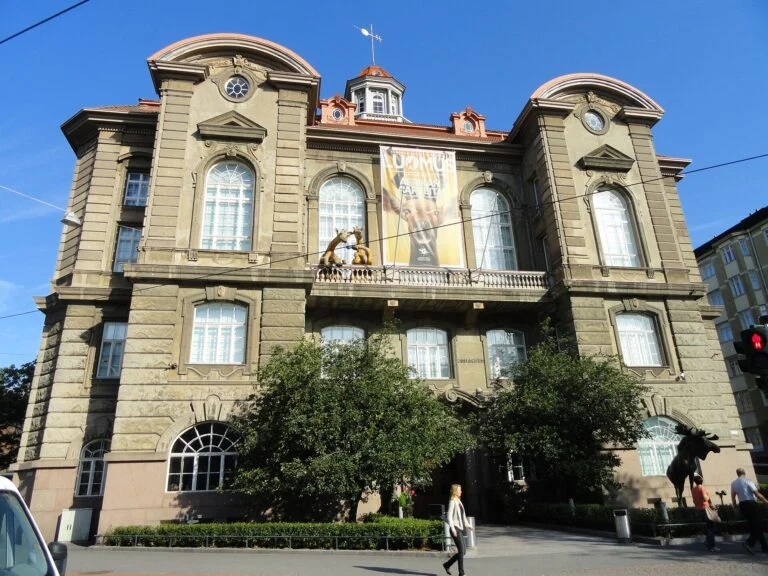
The setting of a Winter War museum can be especially important because the subject is so closely tied to landscape. Whether the museum stands near historically significant ground or simply within a broader Finnish environment that evokes the conditions of the war, place matters here. The Winter War cannot be understood apart from terrain and climate, and a museum devoted to it is often strengthened by a location that allows visitors to feel some connection to that reality.
Architecturally, this kind of museum does not need spectacle. In fact, a quieter and more restrained setting is often more appropriate. The power of the subject comes from concentration, memory, and clarity. Museums of wartime resistance and survival tend to work best when the building supports reflection rather than competing for attention. Visitors need space to read, to consider the chronology of events, and to absorb smaller but meaningful objects. A simpler exhibition environment can therefore be a real strength.
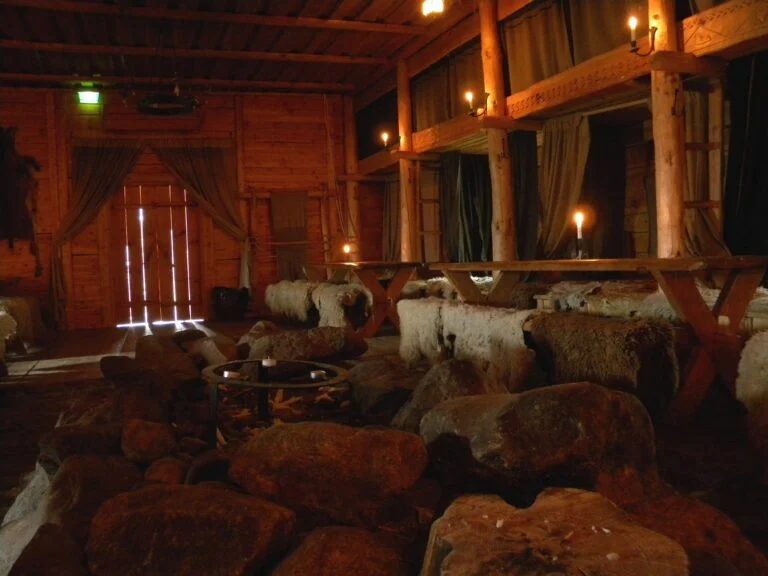
The atmosphere created by the setting can shape the whole visit. A Winter War museum should feel serious without becoming theatrical. If it gets the balance right, the museum allows visitors to sense the gravity of the conflict while still focusing on evidence, objects, and historical interpretation. That kind of controlled atmosphere is one of the things that can make a relatively modest museum more memorable than a much larger one.
Its Finnish setting also gives it broader meaning. Many visitors come to understand not only a war, but something about Finland itself: its geography, its political history, and its sense of national endurance. In that sense, the museum is not only about one conflict. It is also about the historical pressures that shaped the country in the twentieth century. That wider context gives the museum importance beyond the immediate subject of the Winter War alone.
Practical Information
The Winter War Museum is best visited with enough time for careful reading and steady attention. Museums on focused historical subjects often depend less on spectacle and more on interpretation, so their real value can be missed if the visit is rushed. Even if the museum is not large in scale, it is likely to be richer when approached slowly, especially by visitors interested in military history, Nordic history, or twentieth-century Europe.
It is particularly rewarding for those who want more than a summary of the Winter War. A museum setting allows the subject to become more concrete through objects, maps, documents, and personal material. This makes it useful not only for specialists, but also for general travelers who want a more grounded understanding of the conflict. The museum can add important depth to a visit to Finland by connecting national history to specific evidence and lived experience.
Because a museum like this often deals with a concentrated and emotionally serious topic, it may be best approached as a destination in its own right rather than as a quick extra stop. Visitors usually get more from the experience when they allow time to follow the story properly and not move through it too quickly.
As always, it is sensible to check the latest official visitor information before going, including opening hours, tickets, seasonal arrangements, and any special exhibitions or memorial elements. Practical details can change, and current official guidance is the safest way to plan the visit.
Why Visit
The Winter War Museum in Finland is worth visiting because it turns a widely known historical episode into something more detailed, human, and memorable. Many people know the Winter War as a brief but dramatic conflict, yet a museum devoted to it can show much more: the physical conditions, the choices, the tactics, the uncertainty, and the emotional burden carried by those who lived through it. That deeper perspective is what makes the visit valuable.
It is also one of the clearest ways to understand how military history and national memory intersect in Finland. The museum presents not only conflict, but endurance and consequence. It helps explain why the Winter War remains such a powerful reference point in Finnish history and why it still matters in broader discussions of twentieth-century Europe.
For some visitors, the main appeal will be military history. For others, it will be the human stories or the insight into Finnish society under pressure. The museum’s real strength lies in bringing these elements together. It does not have to rely on scale to be effective. Its subject is strong enough to create depth and significance on its own.
If you want a museum in Finland that offers seriousness, historical clarity, and a powerful sense of place and memory, the Winter War Museum is a strong choice. It is thoughtful, grounded, and one of the most meaningful ways to engage with one of the country’s defining modern conflicts.