Warsaw Uprising Museum
Military Museums · Warsaw, Poland. The Warsaw Uprising Museum is a dedicated military and local history museum located in the heart of Poland's capital. It commemorates one of the most significant events in Warsaw's and Poland's 20th-century history: the…
Best forScience, technology, hands-on learning
Setting / nearbyThe heart of Poland's capital
Overview
The Warsaw Uprising Museum is a dedicated military and local history museum located in the heart of Poland's capital. It commemorates one of the most significant events in Warsaw's and Poland's 20th-century history: the Warsaw Uprising of 1944. This pivotal armed struggle between the Polish resistance Home Army and Nazi German occupiers lasted 63 days and was a valiant but tragic effort to liberate the city before Soviet forces arrived. The museum seeks to honor the bravery and sacrifice of the insurgents and civilians while providing a deeply immersive and educational experience about this critical episode of World War II.
Collection Highlights
The museum’s collection offers a rich array of artifacts, documents, photographs, and multimedia displays that bring the story of the uprising vividly to life. Visitors can find original weapons, uniforms, and personal belongings used by the insurgents, providing a tangible connection to the individuals who fought. One of the museum’s strengths is its use of interactive exhibits and reconstructed scenes that simulate wartime conditions in Warsaw’s streets, bunkers, and sewers.
Important highlights include detailed maps of the city from 1944, illustrating the strategic challenges faced by the Home Army, as well as propaganda posters, underground newspapers, and messages from the insurgents. Audio recordings of eyewitness testimonies and video interviews with surviving members add a deeply personal dimension to the historical narrative. The museum also features a considerable section dedicated to the civilian population’s experiences, underscoring the hardships endured by ordinary people caught in the conflict.
Visitors will notice a strong emphasis on the resilience, hope, and determination of the Warsaw inhabitants during the uprising. Exhibits not only cover the events during the 63 days of combat but also reflect on the aftermath, including the destruction of the city and the broader historical context of Poland during and after World War II.
Building and Setting
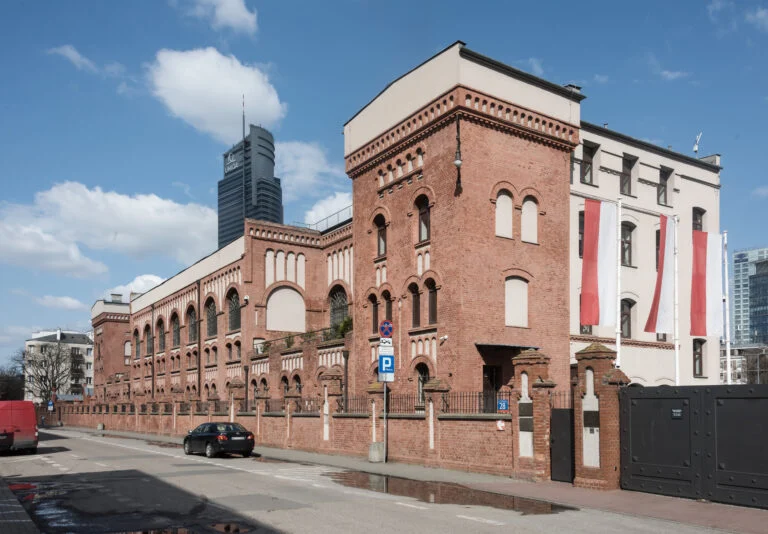
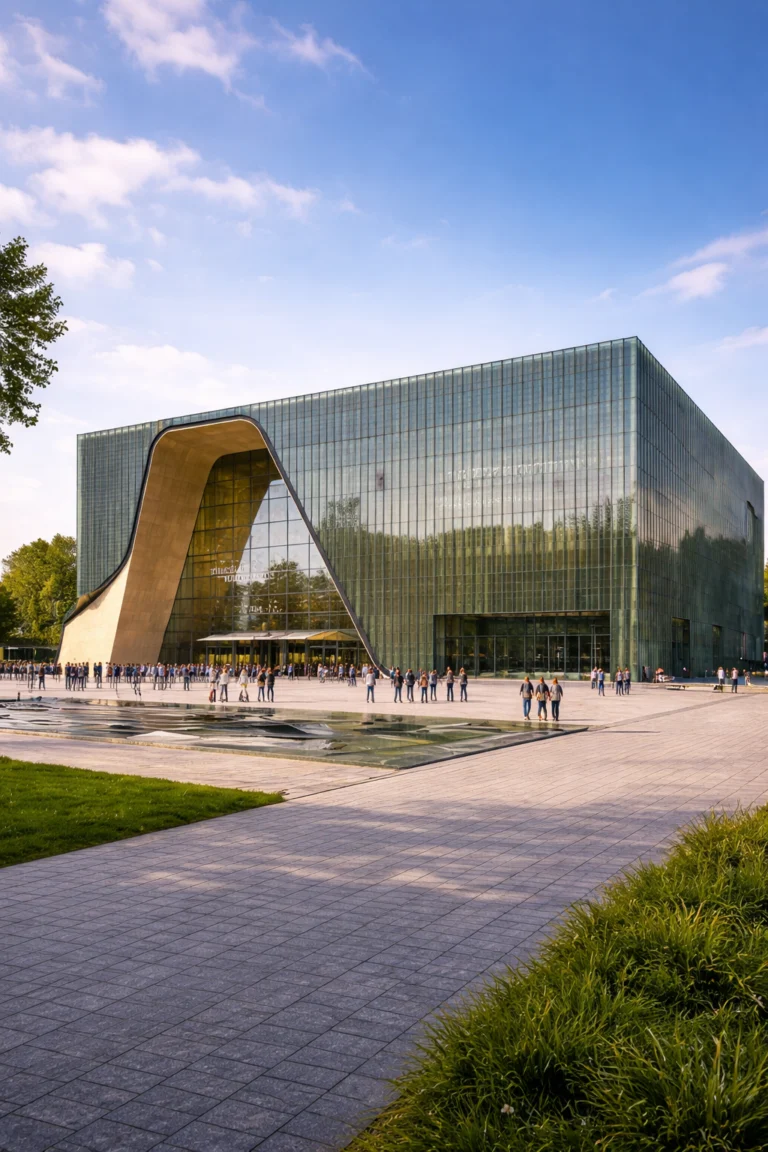
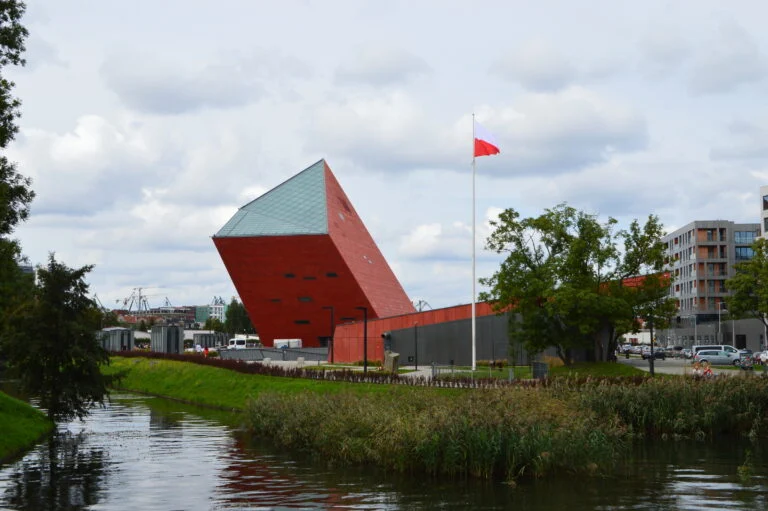
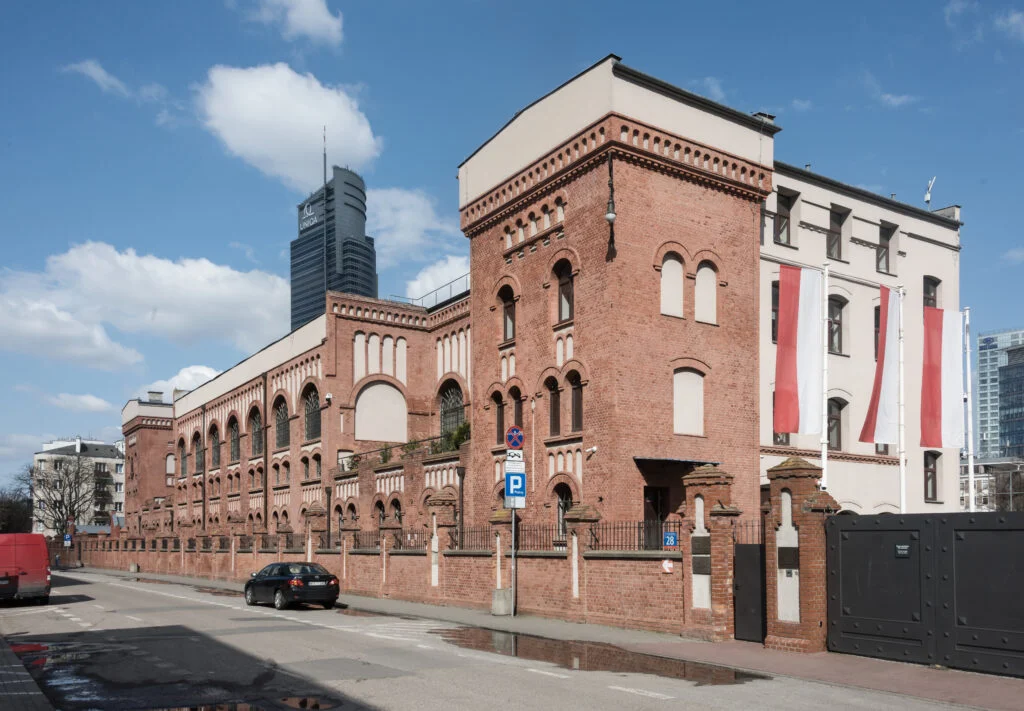
The Warsaw Uprising Museum is housed in a modern building situated in the Wola district, an area historically associated with many key events of the uprising. The architecture itself is designed to complement the museum’s mission, offering a solemn yet engaging environment that encourages reflection and learning. The spacious interior allows for thoughtfully curated exhibitions with a balance of individual artifacts and multimedia installations.
The museum’s layout guides visitors on a chronological journey through the uprising, beginning with the political and social climate before the event and progressing through the conflict’s phases to its conclusion and legacy. Alongside the main galleries, there are also spaces for temporary exhibitions, educational workshops, and commemorations. Outside, the grounds and memorials provide a contemplative space to pay tribute to those who took part in the uprising.
Its location is accessible within Warsaw’s urban setting, easily reached by public transportation or on foot from central points. The museum’s proximity to other significant sites related to World War II history in Warsaw enhances its appeal to visitors interested in comprehensive historical exploration.
Practical Information
Before planning a visit to the Warsaw Uprising Museum, it is advisable to verify current opening hours and ticketing information as these can sometimes change due to special events, renovations, or public health considerations. The museum typically operates throughout the week, with slightly reduced hours on certain days.
Tickets often include guided tours or audio guides, which can greatly enhance the visitor experience. There may also be special rates for students, seniors, or groups. Photography is generally allowed, though flash and tripods may be restricted in some areas. The museum is accessible to individuals with reduced mobility.
Facilities such as a museum shop, café, and rest areas are available on site, providing opportunities to purchase memorabilia or enjoy a break during the visit. For those interested in deeper engagement, the museum offers various educational programs, workshops, and temporary exhibitions that cater to different age groups and interests.
Checking the official website prior to arrival ensures that visitors have the most accurate and up-to-date information, making for a smoother and more enjoyable experience.
Why Visit
The Warsaw Uprising Museum offers a rare, powerful insight into one of the most dramatic chapters of World War II and twentieth-century Polish history. It goes beyond simple memorializing to create an immersive experience that informs, moves, and provokes reflection on themes of resistance, sacrifice, and the impact of war on civilians.
Visiting this museum provides a unique opportunity to understand the complexities of the Warsaw Uprising from multiple perspectives: military, civilian, and political. It humanizes history through firsthand accounts, artifacts, and realistic settings that help visitors connect emotionally as well as intellectually.
The museum’s educational approach makes it suitable for a wide audience, from history enthusiasts and scholars to families and casual tourists. It exemplifies how museums can serve as important venues for remembering difficult histories while also celebrating resilience and hope.
For anyone interested in European history, military history, or the stories behind World War II's vast human drama, the Warsaw Uprising Museum is a must-visit destination. It encourages reflection on freedom, courage, and the enduring spirit of a city and its people in the face of unimaginable adversity.