The National WWII Museum
About: The National WWII Museum in New Orleans is one of the most powerful history museums in the world. Instead of just displaying objects, the museum.
Best forScience, technology, hands-on learning
Setting / nearbyNorth America, United States
Overview
The National WWII Museum in New Orleans is one of the most powerful history museums in the world and one of the clearest examples of how a museum can turn a vast global event into an experience that feels human, legible, and emotionally immediate. What makes it especially strong is that it does not rely only on objects in cases or on broad military timelines. Instead, it combines artefacts, immersive environments, personal testimony, archival material, and large-scale installations to create a museum experience that feels both historically serious and deeply affecting. For many visitors, it becomes one of the most memorable museum visits in the United States because it succeeds in making World War II feel not only enormous in scale, but personal in consequence.
The museum is also unusually effective because of its structure. World War II was a global conflict of staggering geographic and human complexity, and any museum devoted to it risks becoming either too abstract or too fragmented. The National WWII Museum avoids that better than most. It organizes the material in a way that helps visitors move between large strategic developments and individual human stories. This is one of its greatest strengths. You can understand campaigns, theaters, technology, logistics, and political stakes, but you are also continually brought back to ordinary people whose lives were altered, endangered, or destroyed by the war.
Another important feature of the museum is its scale. The complex is larger than many first-time visitors expect, with multiple buildings and major exhibition areas connected through a broader campus-like layout. This matters because the museum is not something most people can absorb casually in a short visit. It asks for time, pacing, and some sense of priority. Yet this scale is also part of what gives the institution its power. The museum does not feel like a compact summary. It feels like a serious attempt to grapple with a conflict that reshaped the modern world.
What also distinguishes the museum is that it is not only about military hardware or battlefield movement. It is about mobilization, home fronts, industrial production, service, trauma, sacrifice, and aftermath. This makes the visit far richer than a simple war-technology museum. It becomes a museum of society under total pressure. That broader view is what gives the institution so much depth. Visitors are not only seeing tanks, aircraft, uniforms, and weapons. They are seeing how war altered families, cities, economies, and entire ways of life.
Collection Highlights
The museum’s greatest strength lies in the large, immersive permanent exhibitions devoted to the different theaters and dimensions of the war. These are often the emotional and intellectual core of the visit. Rather than merely presenting objects in isolation, the museum builds environments and narratives around them, helping visitors understand not only what happened, but what it felt like to move through a world shaped by global conflict. This is one of the reasons the museum is so powerful. It uses scale and design to support historical understanding rather than to replace it.
The personal-story dimension of the museum is particularly effective. Individual accounts, letters, photographs, oral histories, and identity-based narrative framing help keep the experience human. In a museum devoted to a war of this size, that is essential. Without these stories, the conflict can become too abstract or too dominated by maps and machinery. Here, the museum repeatedly brings the visitor back to ordinary service members, workers, families, and civilians. This makes the history feel grounded and morally serious.
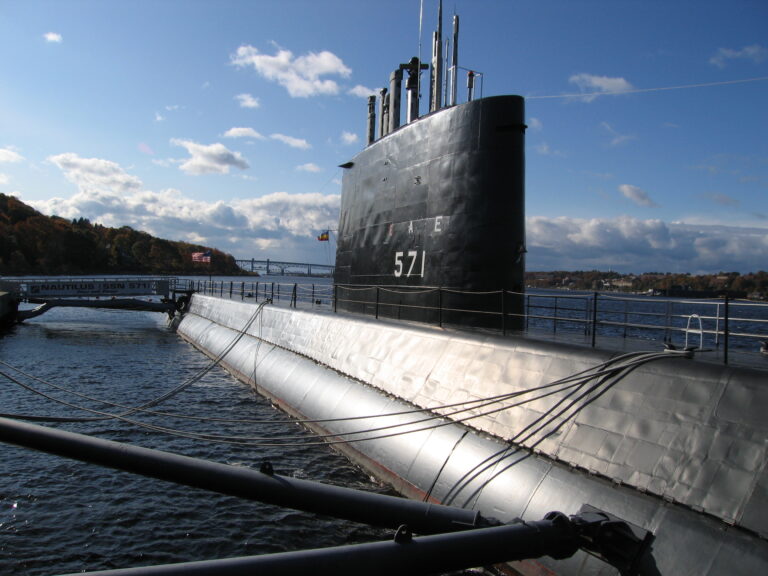
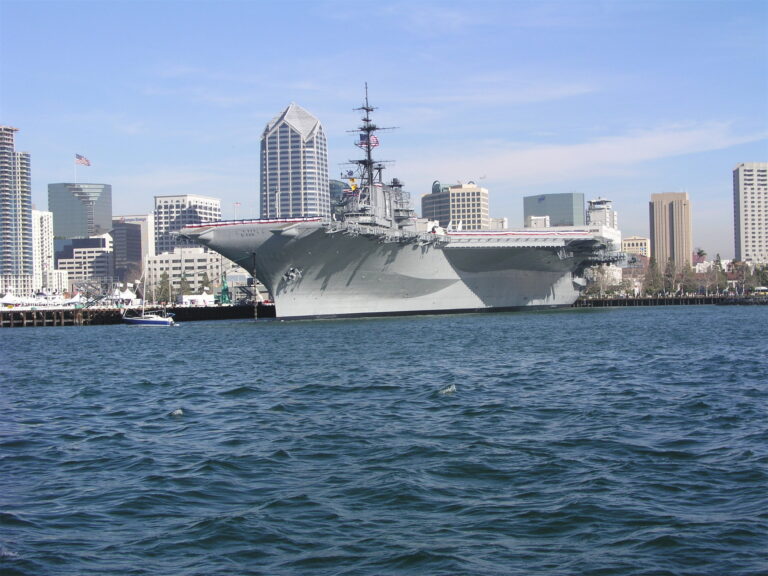
Military vehicles, aircraft, and large-scale artefacts are also major highlights, but they work best because they are placed within broader narratives rather than displayed as spectacle alone. Aircraft suspended in large spaces, vehicles embedded within immersive environments, and full-scale installations help visitors understand that these machines were not inert symbols. They were part of systems of movement, survival, destruction, and strategy. The museum’s handling of this material is one of its strengths. It allows technical objects to remain historically meaningful.
The museum is also strong in its treatment of mobilization and the home front. This gives the institution a broader social range and prevents it from becoming a museum only of combat. Displays on production, rationing, women’s labor, propaganda, and civil life under wartime conditions help explain how deeply the conflict entered everyday existence. These sections are often among the most intellectually rewarding because they show that World War II was not fought only on battlefields. It was also fought in factories, households, transport systems, and bureaucracies.
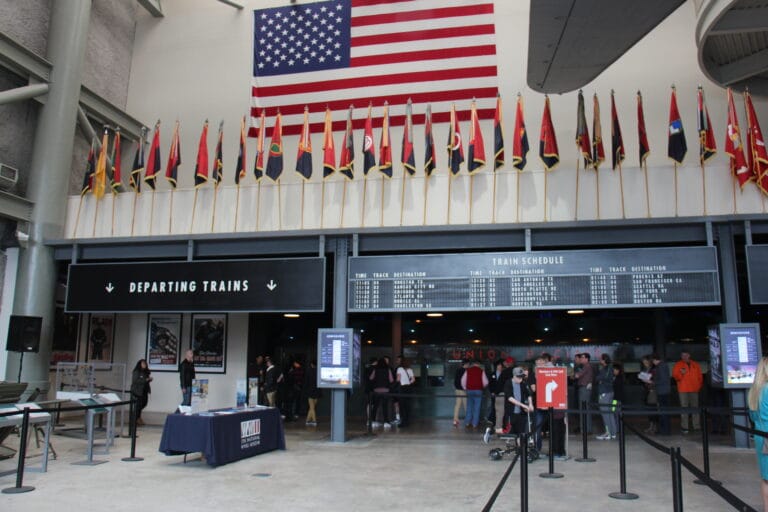
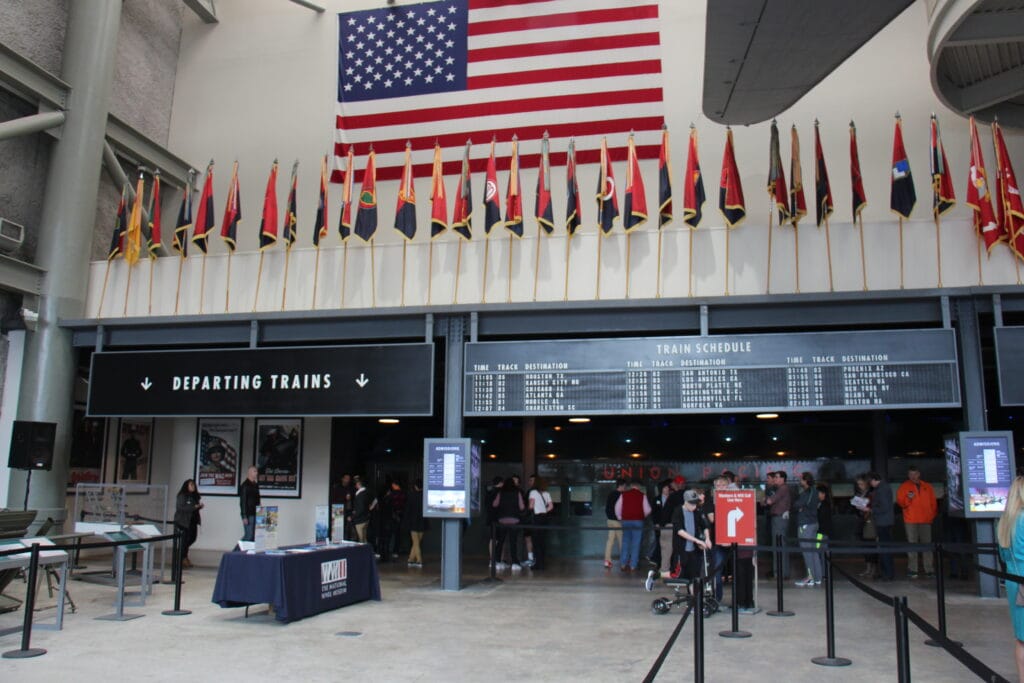
Another important strength is the museum’s attention to atmosphere. Some galleries are especially memorable because they use architecture, sound, scale, and object density to create a sense of urgency or confinement. When done well, this makes the historical material more immediate without trivializing it. The National WWII Museum usually handles this balance well, using immersive design to deepen history rather than to reduce it to entertainment.
Building and Setting
The museum’s multi-building layout is central to the experience. This is not a single compact museum floor but a larger complex that unfolds across connected spaces. The effect is almost campus-like, which suits the scale of the subject. World War II cannot be contained easily within one neat sequence of rooms, and the museum’s physical structure reflects that. Visitors move between buildings, themes, and major exhibitions in a way that reinforces the sense that this was a global and many-sided conflict.
Architecturally, the museum is not trying to recreate the atmosphere of an old memorial building or a classical war monument. Instead, it works through a more contemporary museum language: large interiors, dramatic installation spaces, suspended objects, and strongly designed circulation. This supports the museum’s emphasis on immersion and movement. In practical terms, it also means the visitor should think of the museum as a place to navigate strategically rather than something to take in all at once.
Its location in New Orleans gives it a slightly unexpected but distinctive identity. The museum does not sit in Washington or on a military base; it stands within a major American city with its own strong cultural character. That can make the experience feel even more striking. You step from a city known for music, food, and layered local life into a museum dedicated to a global war, and the contrast sharpens the seriousness of the visit.
Practical Information
The most important practical advice is to plan ahead. The museum is bigger than many visitors expect, and trying to see everything in one rushed visit usually weakens the experience. A better approach is to choose several major sections and give them real time. This is especially true if you are interested in both the main war galleries and the broader home-front or personal-story material.
The museum works best when paced carefully. Emotional fatigue can arrive as quickly as physical tiredness, because the subject matter is intense and the exhibitions are immersive. Taking breaks is worthwhile and often necessary. This is not a place to sprint through. A slower, more focused visit is almost always better than trying to force completeness.
Visitors should also allow time simply to move between buildings and to reorient themselves. The museum is not confusing in a negative sense, but it does require decisions. That is one reason planning by theme or priority helps so much.
Why Visit
The National WWII Museum is best for history lovers, first-time visitors to New Orleans looking for a major cultural experience, and anyone who wants to understand World War II through a museum that combines depth, atmosphere, and human storytelling at a very high level. Its greatest strength is that it turns an immense global conflict into something understandable without simplifying it. It gives visitors both the large picture and the individual human cost.
What makes it worth prioritising is that few war museums achieve this combination of scale and clarity. The museum is rich in artefacts, but it is the storytelling and structure that give those artefacts their force. It explains strategy, technology, labor, and combat while never letting the visitor forget that this was a war lived by millions of ordinary people.
For many visitors, it becomes one of the most powerful museum experiences in the United States because it is not only informative. It is immersive, serious, and emotionally lasting. It shows World War II not as distant legend, but as a human catastrophe and transformation that shaped the modern world. That is why it remains one of the essential history museums anywhere.