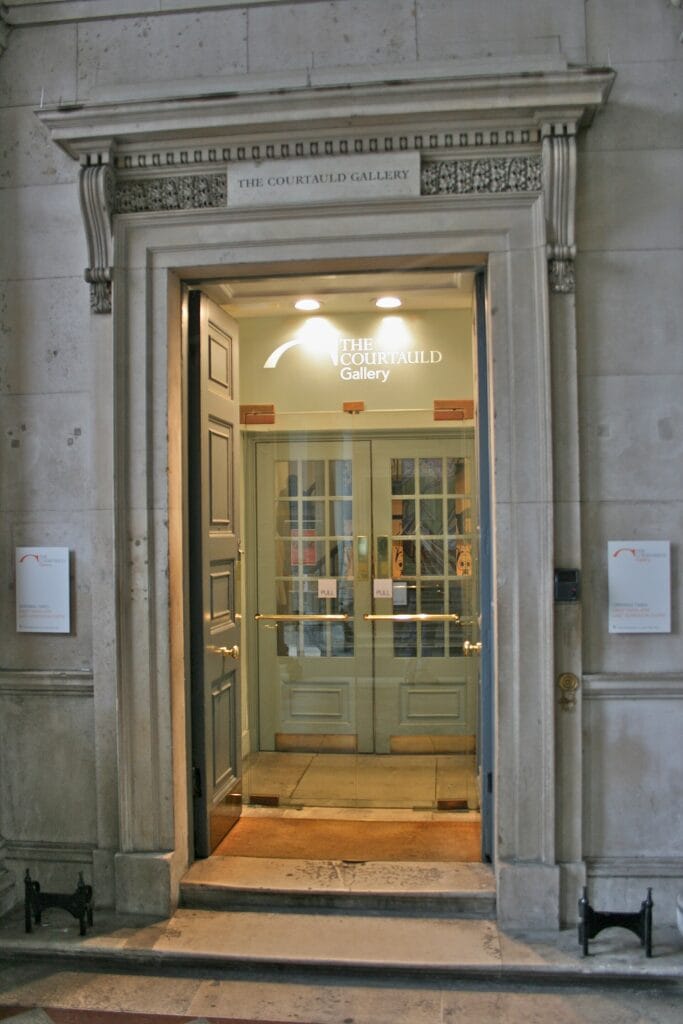
The Courtauld Gallery
London, United Kingdom. The Courtauld Gallery is a dedicated art museum located in London, United Kingdom. It is especially known for its focus on Impressionist and Post-Impressionist paintings, along with a strong collection of works tracing the…
Best forMuseum lovers, culture travelers, first-time visitors
Setting / nearbyLondon, United Kingdom
Overview
The Courtauld Gallery is a dedicated art museum located in London, United Kingdom. It is especially known for its focus on Impressionist and Post-Impressionist paintings, along with a strong collection of works tracing the history of Western art from the medieval period to the early 20th century. The gallery offers a relatively intimate setting in comparison to larger national museums, making it well suited for visitors interested in detailed and thoughtful engagement with a significant, though concentrated, selection of artworks.
The Courtauld Gallery originated from a private collection and has grown through generous donations and acquisitions. Its holdings primarily reflect the vision and taste of its founders and benefactors, concentrating on key moments and figures in art history with a particular emphasis on French art from the 19th and early 20th centuries. While it is smaller than many other London art institutions, this gallery provides a focused and accessible experience for those who appreciate close study of masterpieces and the narrative of modern art development.
Collection Highlights
Visitors to The Courtauld Gallery will encounter an impressive range of paintings, drawings, and decorative arts centered on Impressionism and Post-Impressionism. Paintings by artists such as Claude Monet, Edgar Degas, and Paul Cézanne represent some of the collection’s cornerstones. The inclusion of works by Vincent van Gogh and Paul Gauguin further underscores the gallery’s commitment to chronicling critical moments in the evolution of modern art.
The gallery’s holdings are not limited to the late 19th and early 20th centuries; it also houses important works from earlier periods. There are medieval and Renaissance paintings, drawings, and prints that reveal the development of European artistic techniques and styles. The range includes notable Old Masters, which offer visitors a broader historical perspective on art’s progression into more modern forms.
Drawings and prints form a significant part of the Courtauld’s holdings. These works on paper allow an intimate view of artists’ creative processes and provide depth to the overall presentation. The museum also holds decorative arts, particularly furniture and objects from the period of the French decorative arts movement that coincided with and influenced the Impressionist painters.
While the collection is strong, it is worth noting that the gallery's scope is specialized. Visitors seeking a broad encyclopedic range of art from around the world or covering contemporary art trends may find its focus narrower than that of larger institutions. However, for those with particular interest in the Impressionist era and related artistic movements, The Courtauld Gallery is notable for the quality and concentration of its holdings.
Building and Setting
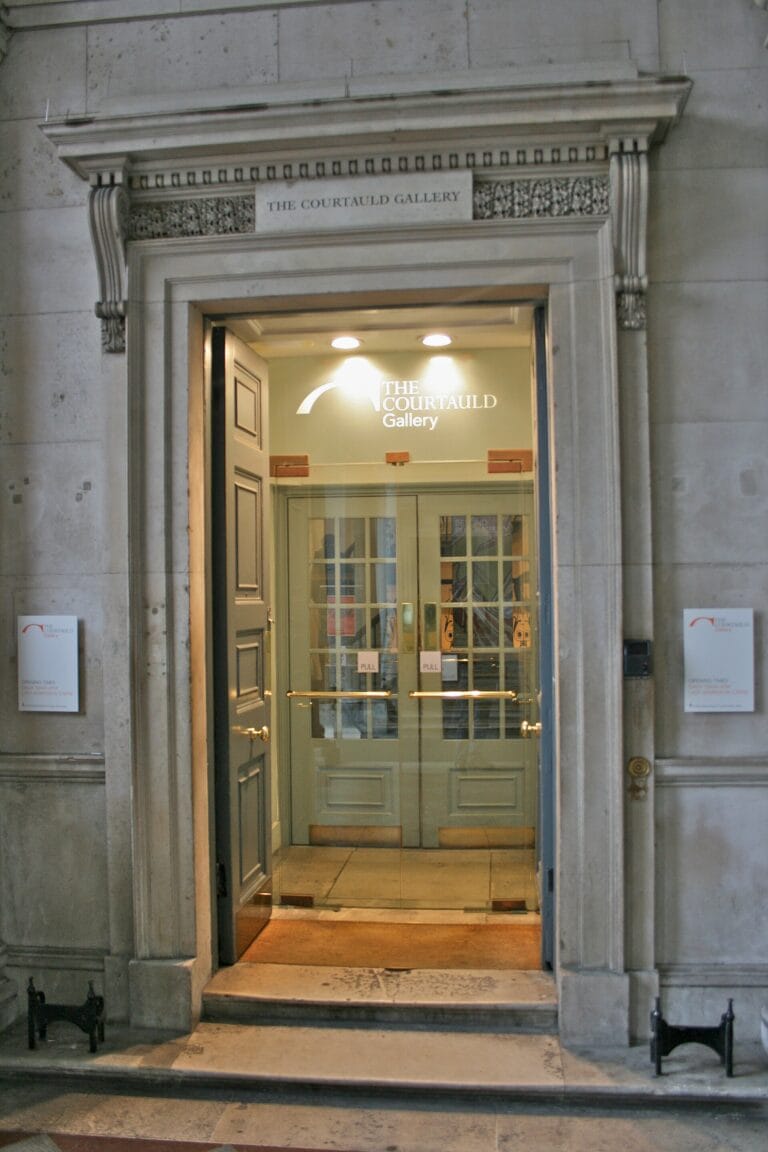
The Courtauld Gallery is housed within Somerset House, a historic cultural complex on the Strand in central London. Somerset House’s classical architecture and prominent location contribute to the gallery’s atmosphere, providing a backdrop that blends London's architectural heritage with modern exhibition needs.
The gallery occupies a series of rooms within this large, historic building. Its layout accommodates a thoughtful display of the collection, focusing attention on individual works while providing space for study. Somerset House itself, originally built in the late 18th century and expanded over time, offers public spaces that include courtyards and exhibition areas. This context can make visiting the gallery part of a broader cultural outing in London’s central district.
Being situated in a busy central area, The Courtauld Gallery may experience varying visitor numbers, which can affect the ease of movement within exhibition rooms at busier times. The setting does not offer the scale or wide range of amenities sometimes found in larger, standalone museums but reflects the gallery’s role as a specialized institution within a larger cultural hub.
Practical Information
Those planning to visit The Courtauld Gallery should verify current information on its official website before going. This is advisable because operational details such as admission costs, opening hours, special exhibitions, booking requirements, access provisions, and other visitor services can change. Checking beforehand helps ensure a smooth visit, particularly as popular exhibitions or local circumstances may affect availability and access.
While the museum is in central London and accessible by public transport, visitors should consider that its location in an urban cultural complex may influence timing and crowd conditions. Planning a visit outside peak hours, where possible, might offer a more relaxed experience.
For visitors interested in guided tours or educational resources, the availability of these services can vary and should be confirmed with the gallery directly. Similarly, options such as audio guides or family-friendly materials may be offered but are best verified through official channels.
Why Visit
The Courtauld Gallery stands out as a place for those genuinely interested in the artistic developments of the 19th and early 20th centuries in Europe, particularly the movements that reshaped painting during that period. Its focus on Impressionism and Post-Impressionism provides an opportunity to view key works by some of the era’s defining artists in a quieter, more concentrated environment than found in larger galleries.
Its collection’s strength lies in quality and specialization rather than scale, allowing visitors to engage closely with works that played a pivotal role in changing the direction of Western art. The inclusion of well-chosen earlier paintings and drawings offers context and contrast to the major artists of the late 1800s and early 1900s.
For those interested in art history, studio practice, and the progression of artistic ideas, The Courtauld Gallery offers a rich, focused resource. It is likely to appeal to students, researchers, and anyone interested in the detailed narrative of modern art’s formation. However, individuals seeking a broad survey of world art or very recent contemporary work should consider it a complementary visit rather than a comprehensive destination.
The gallery’s location in Somerset House situates it within a larger cultural scene, making it a suitable stop within a day of sightseeing or museum visits in London. While the setting adds charm and context, it may also mean visitors should prepare for the logistics associated with a busy central London venue.
In conclusion, The Courtauld Gallery is an institution where careful curation and focused collecting provide a meaningful experience, inviting visitors to deepen their understanding of key artistic movements and encounters with works that influenced many artists to come. With due attention to planning and personal interests, it offers a rewarding destination for those intrigued by the history and impact of Impressionist and Post-Impressionist art.