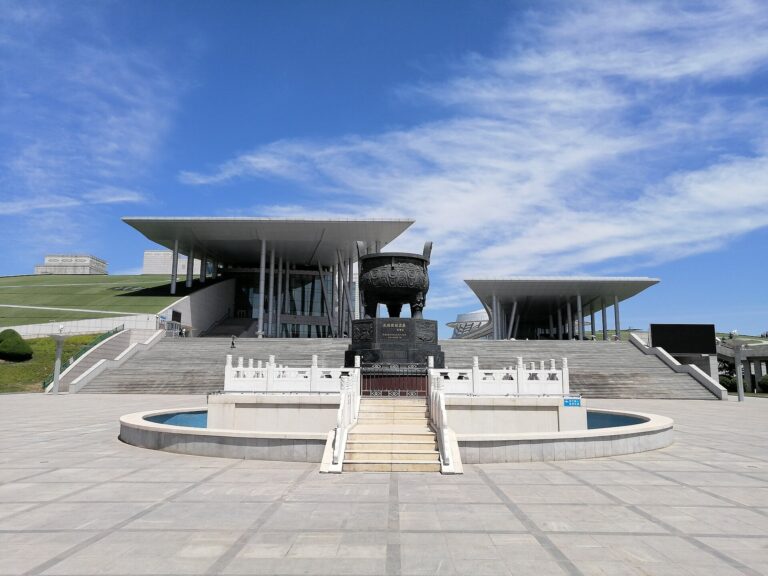
Sichuan Museum
Archaeology Museums · Chengdu, China. The Sichuan Museum is the principal museum of Chengdu, the capital city of Sichuan Province in southwest China. As a comprehensive provincial museum, it offers an overview of the region’s rich cultural and natural…
Best forMuseum lovers, culture travelers, first-time visitors
Setting / nearbyChengdu, China
Overview
The Sichuan Museum is the principal museum of Chengdu, the capital city of Sichuan Province in southwest China. As a comprehensive provincial museum, it offers an overview of the region’s rich cultural and natural history, presented across a range of disciplines. Historically and culturally, Sichuan has held a distinctive position due to its geographic location, diverse population, and long history of human settlement. The museum reflects these aspects, with exhibits that illuminate both local heritage and broader themes linked to southwest China.
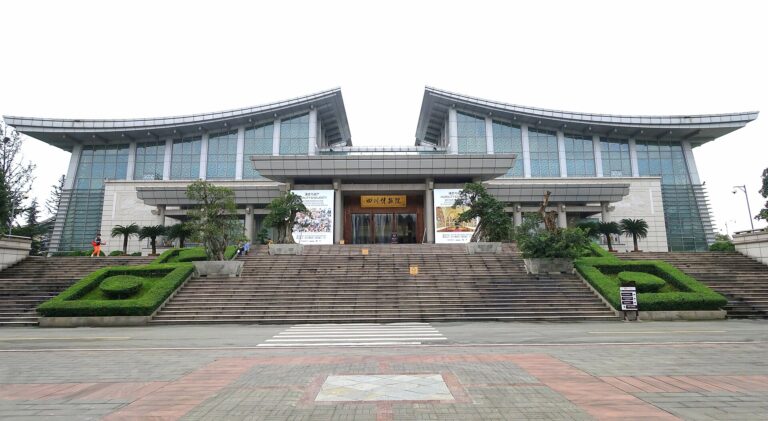
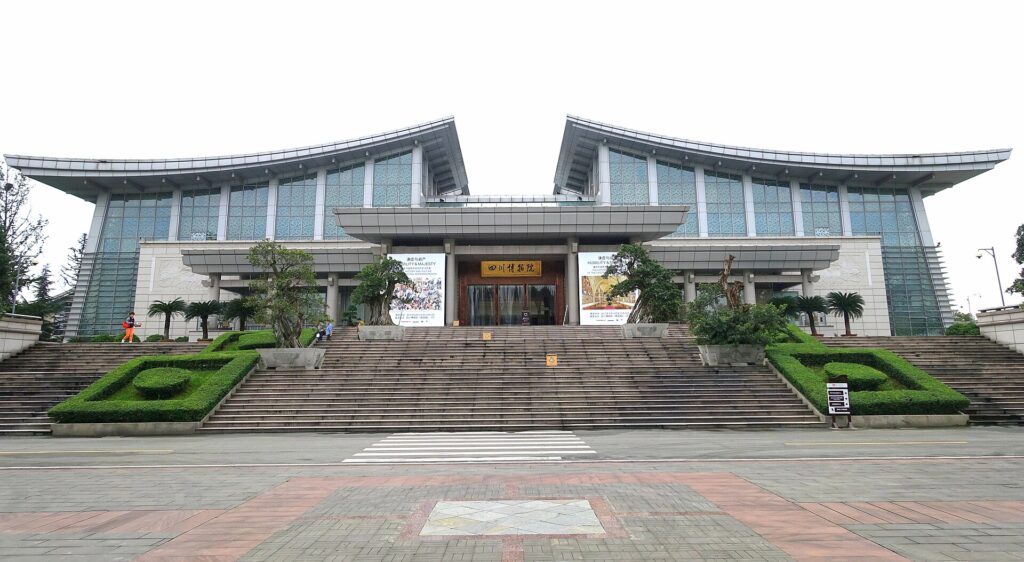
The institution is housed in a modern building located within a park area in Chengdu. Since its establishment, it has aimed to serve as a center for research and public education on Sichuan’s archaeology, ethnology, and art history. Visitors can expect a mixture of permanent exhibitions and temporary showcases focusing on the province’s ancient civilizations, ethnic minorities, ceramics, and more. The museum’s galleries are thoughtfully arranged, making it accessible to a general audience without requiring prior specialist knowledge.
While the museum’s focus is predominantly regional, some collections extend their significance onward, shedding light on cultural interactions in the surrounding areas. It strives to balance archaeological findings with ethnographic and artistic materials, offering a relatively broad picture of Sichuan’s past and present.
Collection Highlights
A key strength of the Sichuan Museum lies in its archaeological and ethnographic collections. Its archaeological section includes relics from important local sites, such as ancient Shu culture artifacts. Among the objects on display are bronze items, pottery, and stone tools that date back thousands of years. One should not expect exhaustive archaeological analysis here, but the material is well presented and accessible.
The museum is also notable for its ceramics collection, representing one of the region’s traditional crafts. Visitors can see examples of porcelain and other ceramic works made in Sichuan, tracing techniques and styles from historical periods into more recent times.
Ethnographically, the museum houses objects related to Sichuan’s numerous ethnic groups. These exhibits cover clothing, folk art, and everyday items, documenting the lifestyles of communities such as the Tibetan, Qiang, Yi, and others in the province. The displays provide insight into cultural diversity and traditions that persist and evolve.
In addition, the museum has sections devoted to fine arts and calligraphy, reflecting both local achievements and broader Chinese artistic developments. These galleries typically include paintings, sculptures, and artifacts illustrating regional contributions to Chinese art. Care has been taken in the presentation to connect these works to cultural narratives familiar to visitors.
While the breadth of the collection is a strength, some might find that the museum’s interpretation remains descriptive rather than deeply analytical. The museum provides useful background but is best suited to those seeking an introduction rather than exhaustive scholarship.
Building and Setting
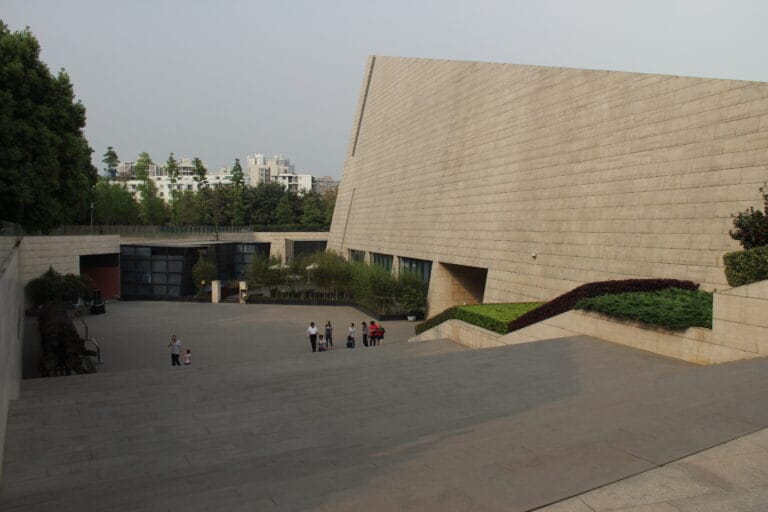
The Sichuan Museum occupies a purpose-built facility in an urban setting in Chengdu. It is set within or near a public park area, offering a pleasant surrounding environment that can complement a museum visit. The building’s architecture is functional with some modern design elements, accommodating multiple exhibition halls, research facilities, and visitor services.
Its location in Chengdu, a city with a long history and growing international profile, positions the museum within reach for both residents and tourists. The city itself has several cultural attractions, which can serve as additional context for a visit to the museum. Nearby amenities and transport options are available but should be checked in advance for current status.
The museum spaces are generally well maintained, with clear signage and organized layouts. Galleries tend to be spacious enough to avoid overcrowding on typical visit days, though peak times could affect this experience.
Practical Information
Prospective visitors should consult the museum’s official website or local information sources before planning their trip to confirm current details such as opening hours, ticketing procedures, guided tours, and accessibility arrangements. This will also provide updates on any temporary exhibitions or special programs.
While the museum offers a range of exhibition content across disciplines, language barriers may affect the depth of understanding for non-Chinese speakers. Some signage and explanations may be primarily in Chinese with limited English translations, which is common in many regional museums in China.
The museum’s facilities are generally adequate for visitor needs, though the availability of amenities like cafés and gift shops may vary. It is advisable to prepare accordingly if such services are important to your itinerary.
Due to its size and scope, visits can be tailored according to interest and time constraints. Some visitors may prefer focusing on particular galleries, such as archaeology or ethnic minorities, to gain a more coherent experience.
Why Visit
The Sichuan Museum serves as a valuable cultural institution for those interested in the history and ethnography of one of China’s key provinces. It provides a solid base for understanding the region’s archaeological heritage, ethnic diversity, and artistic traditions. For visitors interested in exploring the Shu culture or the ethnic minorities of southwest China, this museum offers artifacts and information that are often difficult to find elsewhere in a single location.
As an introduction to Sichuan’s cultural landscape, the museum is well suited to general audiences, families, students, and researchers at an early stage of inquiry. It can also complement visits to other Chengdu attractions, such as historic sites or other museums with different focuses.
It is important to set expectations in terms of depth and detail. Those looking for intensive archaeological data, advanced curatorial interpretation, or extensive English-language materials may find the museum somewhat limited. The experience is primarily one of broad cultural and historical orientation rather than specialized scholarly research.
In sum, the Sichuan Museum holds its place as a major cultural venue in Chengdu, reflecting the province’s diverse heritage with collections and exhibitions that are informative without being overwhelming. Its mix of archaeology, folk culture, and art makes it a useful stop for visitors seeking to deepen their understanding of Sichuan within a broader Chinese context.
For the most up-to-date information before visiting, including details on admission, opening hours, and services, it is advisable to consult the museum's official website or relevant local tourism resources.