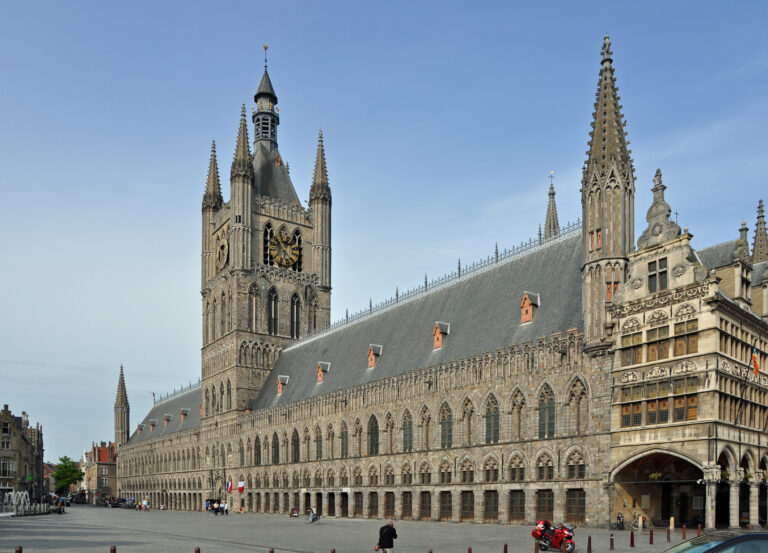
Royal Army Museum Brussels
The Royal Museum of the Armed Forces and Military History in Brussels, Belgium, is one of the largest military museums in Europe. Located in.

Best forArchitecture, royal history, heritage
Setting / nearbyEurope
Overview
The Royal Army Museum in Brussels is one of the most substantial military museums in Belgium and one of the most significant places in the city for visitors interested in armed forces history, conflict, and historical technology. Located within the larger museum complex at the Parc du Cinquantenaire, it presents military history on a broad scale, bringing together weapons, uniforms, vehicles, documents, and aircraft in a way that shows how warfare has changed across centuries. Rather than focusing only on one war or one branch of service, the museum opens up a much wider view of military history and its place in Belgian and European development.
What makes the museum especially compelling is the size of its subject. Military museums are not simply about battles or equipment. At their best, they also explain state power, national memory, industrial change, colonial history, technological innovation, and the lives of ordinary soldiers. The Royal Army Museum benefits from that wider potential. A visit here can move from armor and ceremonial objects to artillery, wartime material, and aviation displays, giving the visitor a layered picture of how military institutions evolved and how conflict shaped societies.
This broad scope makes the museum attractive to different kinds of audiences. Some visitors come for the uniforms, medals, and weapons; others are drawn by the large-scale displays of vehicles and aircraft. History-minded travelers often appreciate the museum because it places Belgium within wider European military developments rather than presenting its story in isolation. The result is a museum that can appeal equally to general visitors, military history enthusiasts, and travelers looking to understand another side of Brussels beyond its better-known political and architectural landmarks.
There is also something important about the museum’s tone. A strong military museum needs to present power and spectacle without turning war into entertainment. This museum is most effective when it treats the material seriously, showing both the visual force of military objects and the heavier historical realities behind them. That balance gives the visit depth and makes it more than a display of impressive hardware.
Collection Highlights
The collection is wide-ranging, and that is one of the museum’s greatest strengths. Visitors can expect to encounter weapons, armor, uniforms, medals, banners, documents, military art, vehicles, and aviation material spread across different periods. This variety matters because military history is not a single subject. It includes personal equipment, state ceremony, industrial production, battlefield technology, and the visual culture of armed service. The museum’s range allows these different strands to appear together.
One of the strongest sections in a museum like this is often the uniform and arms material. Uniforms in particular reveal much more than style. They show rank, identity, hierarchy, and the visual language of military organization. Weapons and armor, meanwhile, help trace the long development of warfare from earlier forms of combat into the modern industrial era. These displays are often among the most immediately engaging because they combine craftsmanship, symbolism, and technical change in highly visible ways.
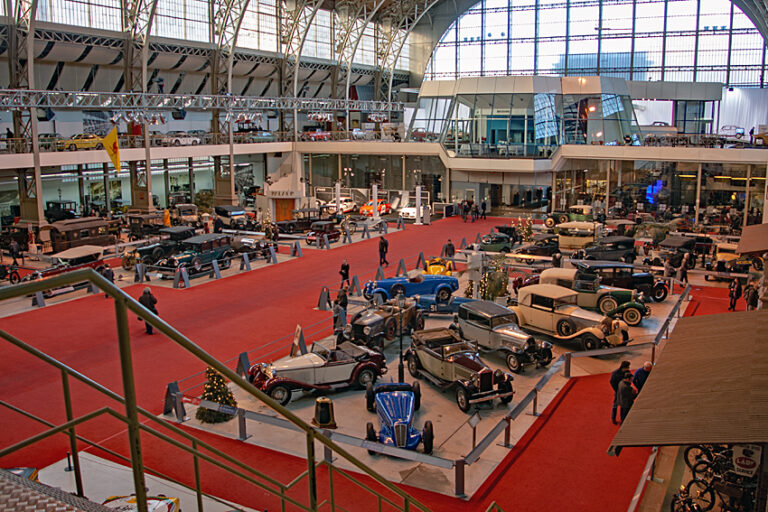
Large objects usually provide another major highlight. Military vehicles, artillery pieces, and especially aircraft can transform the visit by giving physical scale to subjects that might otherwise remain abstract. A tank, field gun, or military aircraft says something very different from a text panel or photograph. These objects remind visitors of the size, power, and engineering ambition involved in modern warfare. They also help explain why military museums often leave such a strong visual impression compared to more document-based historical collections.
The aviation displays are often especially memorable in institutions of this kind. Aircraft galleries tend to attract even visitors who would not usually call themselves military history enthusiasts, because planes combine design, speed, engineering, and historical drama in such a direct way. In the Royal Army Museum, this part of the collection helps expand the visit beyond land warfare and reminds visitors that military history unfolded across air, land, and increasingly complex technological systems.
Another strength of the collection is that it can connect personal and institutional history. Medals, insignia, portraits, and small objects linked to service life can humanize the larger narrative. Without this kind of material, a military museum risks becoming only a story of machines and campaigns. With it, visitors can better understand the people inside those structures: the soldiers who wore the uniforms, used the equipment, and moved through the conflicts represented in the galleries.
Building and Setting
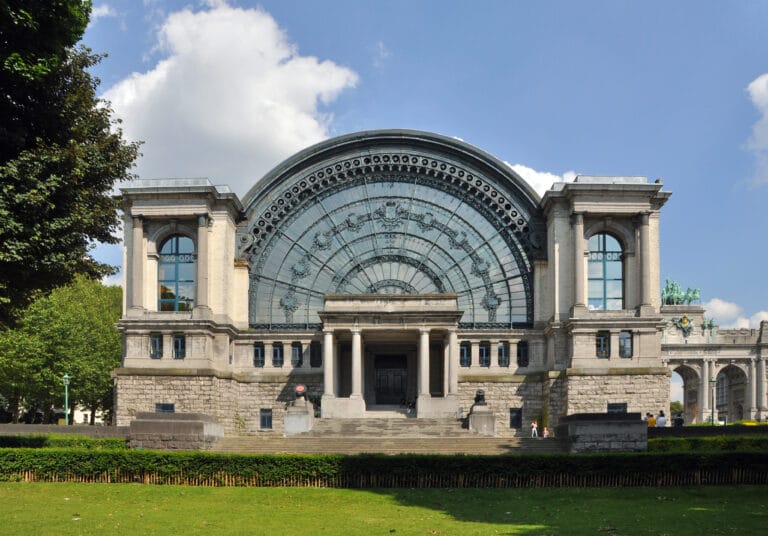
The museum’s setting in the Cinquantenaire complex adds greatly to its impact. This is one of Brussels’ most imposing monumental areas, and the museum benefits from being part of a larger architectural and historical ensemble. Even before entering, visitors get the sense that they are approaching an institution tied to questions of national representation, commemoration, and public history. That setting suits a military museum well, because military history is so often bound up with ideas of the state, memory, and ceremony.
Inside, the large-scale exhibition spaces are a major asset. Military collections need room. Armor, artillery, vehicles, and aircraft cannot be appreciated in cramped surroundings, and the museum’s more expansive halls help visitors understand the physical scale of the material. This is especially important in the larger galleries, where the relationship between human-sized objects and much bigger machines becomes part of the story.
The atmosphere of the museum is shaped not only by architecture but also by density. Military museums often hold very rich collections, and when well arranged, this gives the visitor a sense of depth and abundance. The Royal Army Museum benefits from this feeling. There is often a sense that the collection extends across multiple layers of history and many different kinds of material, from ceremonial objects to combat equipment. That density can make the museum feel rewarding, particularly for visitors who enjoy spending time studying details.
Its Brussels location also matters in a broader sense. This is a city usually associated internationally with European institutions, grand squares, and art museums. A major army museum adds another dimension, reminding visitors that Brussels is also part of a deeper history of warfare, state formation, occupation, liberation, and strategic importance within Europe. The museum therefore helps widen the historical picture of the city itself.
Practical Information
The Royal Army Museum is best approached with enough time to explore properly. Military collections of this scale tend to be more extensive than first-time visitors expect, and rushing can flatten the experience. A slower visit allows time to move between smaller historical displays and the more dramatic large-scale sections without losing the thread of the museum’s broader story.
It is particularly rewarding for visitors with interests in military history, aviation, uniforms, or historical technology, but it can also work well for more general audiences because of the sheer variety of the displays. Even those without a strong prior interest in warfare often find themselves drawn in by the scale of the aircraft, the craftsmanship of older arms and armor, or the visual richness of the uniforms and insignia.
Because museum hours, ticketing, and gallery access can change, it is always sensible to check the official visitor information before going. This is especially important in larger institutions where some areas may occasionally be subject to temporary closures, special exhibitions, or updated visitor arrangements.
For travelers in Brussels, the museum fits especially well into a broader cultural day around the Cinquantenaire area. At the same time, it is strong enough to justify a dedicated visit of its own. Those with a particular interest in military or aviation collections will likely want to allow more time rather than treating it as a quick stop between other city attractions.
Why Visit
The Royal Army Museum in Brussels is worth visiting because it combines scale, variety, and historical seriousness. It is not only a place to see military objects; it is a place to understand how armies, warfare, and state power developed over time and how those forces shaped Belgium and Europe more broadly. The breadth of the collection makes the visit feel substantial, while the larger displays give it a visual power that many history museums cannot match.
It is also one of the better places in Brussels to experience history through material culture on a grand scale. Uniforms, weapons, vehicles, and aircraft each tell part of the story, but together they create a much richer picture of military life and historical change. That layered approach helps the museum appeal to both specialists and casual visitors.
For some, the museum’s greatest draw will be the aviation and machinery. For others, it will be the uniforms, medals, and older military artifacts. For many visitors, the real strength lies in the combination. The museum offers enough range to keep the experience varied, while the monumental setting gives it an added sense of importance.
If you want a Brussels museum that offers scale, depth, and a different angle on European history, the Royal Army Museum is a strong choice. It is informative, visually impressive, and often more rewarding than visitors expect at first glance.