NASCAR Hall of Fame
Automobile Museums · Charlotte, United States. The NASCAR Hall of Fame in Charlotte, North Carolina, is a museum dedicated to the history and culture of NASCAR (National Association for Stock Car Auto Racing). It focuses on the sport’s development, its…
Best forMuseum lovers, culture travelers, first-time visitors
Setting / nearbyCharlotte, United States
Overview
The NASCAR Hall of Fame in Charlotte, North Carolina, is a museum dedicated to the history and culture of NASCAR (National Association for Stock Car Auto Racing). It focuses on the sport’s development, its key figures, and its significance within American motorsports. Established to honor NASCAR’s most influential drivers, team owners, and contributors, this institution serves as a specialized sports museum that brings together artifacts, interactive displays, and multimedia presentations related to stock car racing. Its location in Charlotte reflects the city’s longstanding ties to NASCAR, which has deep roots in the region. The Hall of Fame is not only a place for fans to connect with the sport’s legacy but also a resource for those interested in the broader aspects of American racing and automotive history.
Collection Highlights
The heart of the NASCAR Hall of Fame lies in its collection of memorabilia and interpretive exhibits that document the evolution of stock car racing. Visitors will find displays covering the careers of inductees, such as legendary drivers and influential figures who have shaped the sport. While the specifics of individual items can vary, the museum includes race cars, trophies, helmets, and historic documents that provide tangible links to NASCAR’s past.
In addition to personal items from Hall of Fame members, the exhibition spaces often feature racing suits, photographs, and video footage that showcase landmark moments in NASCAR history. Interactive components may allow visitors to experience simulated races or learn about car mechanics and race strategy, broadening one’s understanding beyond the surface of the sport. The collection also touches on technological developments in vehicle design, safety equipment, and the changing culture of racing fans over the decades.
Though the museum’s primary emphasis is on NASCAR, it provides a sense of how stock car racing fits into the larger context of American motorsports history. The focus on storytelling through objects and media helps present the sport’s evolution from regional pastime to national phenomenon.
Building and Setting
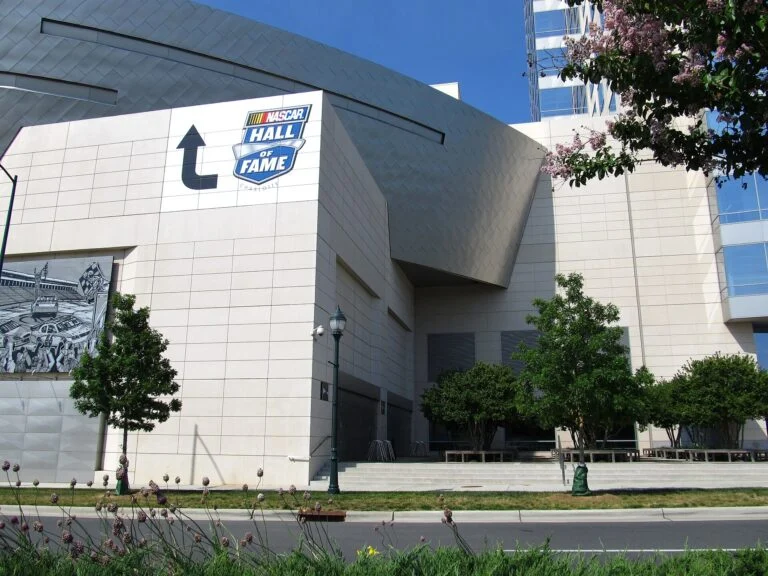
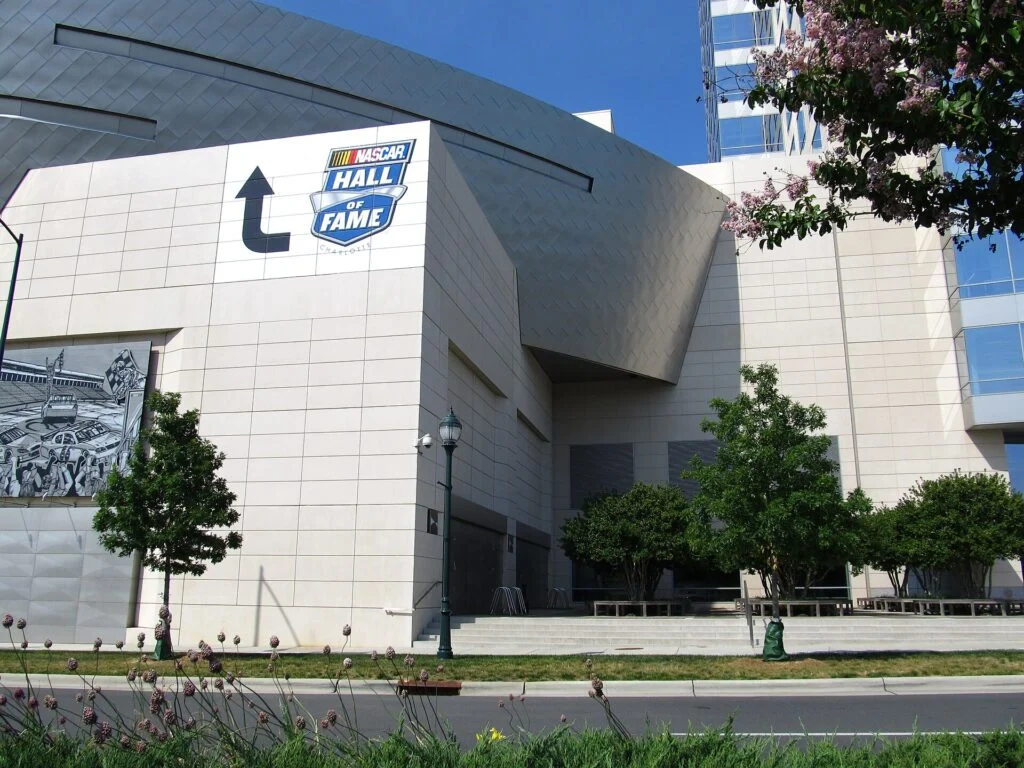
The NASCAR Hall of Fame occupies a modern building in downtown Charlotte, close to the city's center where motorsports is a significant industry and cultural influence. The architecture is designed to accommodate large exhibits and interactive installations, with open interior spaces that facilitate visitor flow. Situated in an urban environment, the museum is accessible to those spending time in the city, though exact details about public transportation links or parking are best confirmed via the museum’s official resources.
The setting connects the museum physically and symbolically to NASCAR’s established presence in Charlotte—a city that hosts prominent racing events, boasts racing team headquarters, and is often referred to as a hub of stock car racing activity. Visitors can consider the museum as part of the broader motor racing landscape of the area, which includes racetracks and other related venues.
Practical Information
Before planning a visit to the NASCAR Hall of Fame, it is advisable to check the museum’s official website for the most current information regarding opening hours, ticketing, tours, and any visitor services. Details such as admission prices, availability of guided tours or audio guides, accessibility accommodations, and special event schedules may change, and reviewing these in advance can help manage expectations and ensure a smooth experience.
The size of the museum and the nature of the exhibits suggest that visitors with an interest in motorsports and American popular culture will gain the most from a visit. Those unfamiliar with NASCAR might benefit from setting aside additional time to engage with the educational displays, which can provide context but may lean toward those already somewhat acquainted with the sport. Given the museum’s focus, it is more tailored to fans or students of motor racing rather than being a general sports museum.
Why Visit
The NASCAR Hall of Fame offers a specialized look at a sport that holds significant cultural and economic importance in parts of the United States. It presents the stories of individuals and milestones that have contributed to the growth and popularization of stock car racing. For fans of the sport, the museum provides an opportunity to see memorabilia up close and to learn more about the personalities and events that shaped NASCAR.
Beyond simply celebrating the sport’s heroes, the museum gives insight into NASCAR as an industry and cultural phenomenon. It brings together technology, sport, and social history in a way that encourages reflection on American leisure activities, regional identities, and technological innovation in racing. Its interactive elements can engage younger visitors or those curious about how racing works in practice.
At the same time, the museum’s narrow focus means it may not appeal widely to visitors without some preexisting interest in motorsports. It is less concerned with broader automotive history or competitive sports in general, concentrating instead on one particular racing association and its impact.
In conclusion, the NASCAR Hall of Fame suits visitors seeking a dedicated environment to explore the legacy of stock car racing through tangible collections and multimedia presentations, set within a city central to the sport’s identity. For those interested in American sports culture, mechanical innovation in racing, or the stories behind racing personalities, the museum offers a well-curated and concentrated experience. However, visiting plans should include some advance preparation regarding practical details to make the most of the museum’s resources.