Museo del Oro Precolombino
San José, Costa Rica. The Museo del Oro Precolombino in San José, Costa Rica, is an archaeological museum devoted to the pre-Columbian cultures of Central America, with a particular focus on the indigenous peoples who inhabited the region…
Best forMuseum lovers, culture travelers, first-time visitors
Setting / nearbySan José, Costa Rica
Overview
The Museo del Oro Precolombino in San José, Costa Rica, is an archaeological museum devoted to the pre-Columbian cultures of Central America, with a particular focus on the indigenous peoples who inhabited the region before European contact. It offers insight into the sophisticated techniques of metallurgy, craftsmanship, and symbolism employed by these cultures, especially through their work with gold. While gold is often associated with wealth and sacredness across many ancient societies, this museum underscores its broader cultural significance: ritual use, status, and identity within multiple Central American communities.
Situated in Costa Rica’s capital, the museum works as both a repository and an interpretive center, preserving delicate artifacts and presenting them in a way that helps visitors understand the historical and cultural contexts of the objects. It is not simply a display of gold items as treasures, but as key pieces in the story of native ingenuity and tradition.
Collection Highlights
The core of the Museo del Oro Precolombino is its extensive and carefully curated collection of gold artifacts, which date back more than a thousand years. These objects include personal adornments, ceremonial items, and symbolic figures crafted from gold and other materials such as jade and ceramics. The collection clearly demonstrates the technical skill of pre-Columbian goldsmiths, who shaped intricate designs often inspired by animals, mythical beings, and patterns that carried spiritual meaning.
Among the standout pieces are intricate pendants, nose rings, pectorals, and small statues. The details in these objects vary widely; some feature impressive fine filigree and granulation work that requires close viewing, while others display bold geometric shapes or naturalistic animal forms that express cultural beliefs about nature and cosmology. For example, some zoomorphic motifs represent jaguars, birds, and snakes, creatures common in indigenous storytelling and ritual life.
The museum also includes archaeological finds that complement the gold collection, such as pottery, stone tools, and objects made with other metals. These pieces enrich the narrative of daily and ceremonial life before European arrival. Together, they convey the interconnectedness of artistic production, spiritual practice, and social organization.
Visitors interested in the cultural history of Central America, ancient metallurgy, or indigenous art will find the displays informative. The arrangement encourages reflection on how these artifacts survived centuries of environmental and human changes, and how they remain meaningful in contemporary Costa Rican identity.
Building and Setting
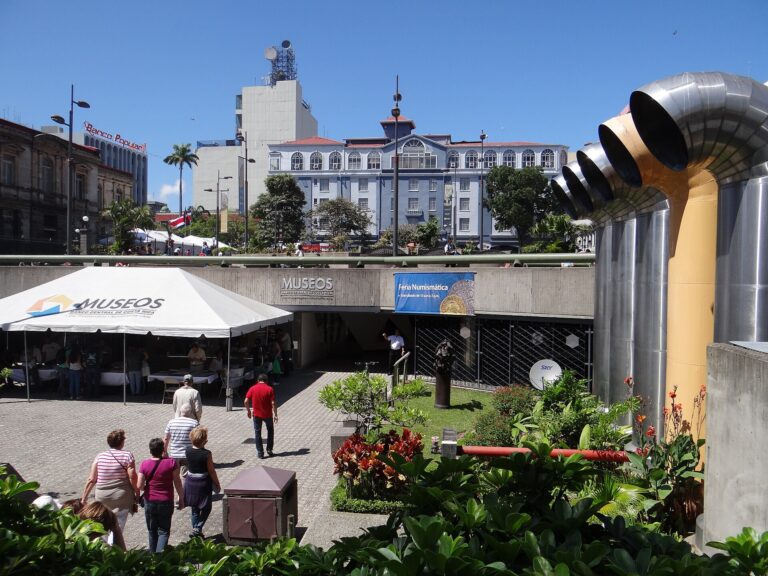
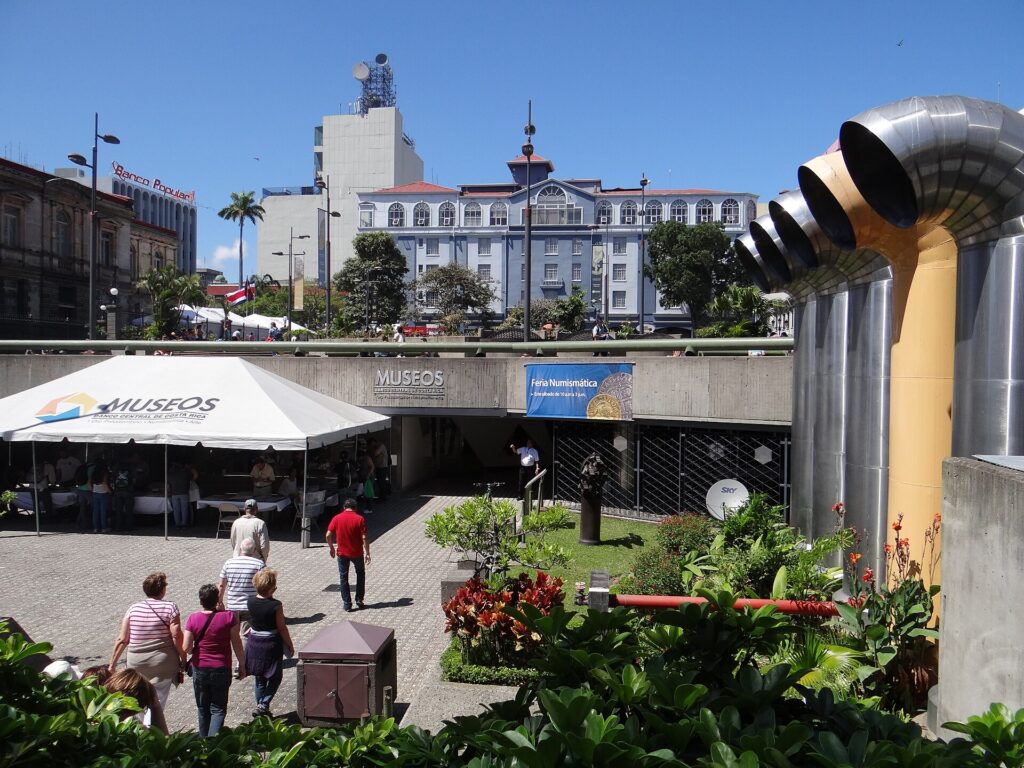
The Museo del Oro Precolombino is housed in an urban setting within San José’s downtown area. The building itself is modern yet modest, designed to support the preservation and exhibition needs of sensitive artifacts like gold, which can deteriorate if exposed to excess humidity or light. The interior spaces are organized to provide clear circulation with rooms dedicated to thematic presentations and chronological sequences. Lighting and display cases are arranged to allow visitors to examine details closely without compromising the integrity of the pieces.
Though the museum’s footprint is not large compared to some national museums, its careful organization helps maintain an intimate atmosphere rather than an overwhelming one. The surroundings reflect the administrative and commercial district of San José, and while the immediate neighborhood does not feature historic ruins or natural landscapes, the museum’s proximity to central transport and city landmarks makes it accessible for visitors planning to explore central San José.
Practical Information
Given that practical details such as opening hours, ticketing, and visitor services can change, it is advisable for readers to consult the museum’s official website before planning a visit. This ensures up-to-date information on admission policies, guided tours or educational programming, accessibility provisions, and any temporary exhibits or closures.
The museum typically attracts a range of visitors including tourists, students, researchers, and local residents interested in cultural heritage. Due to the nature of the artifacts and the focus on preservation, photography policies may be restricted or require permission. Visitors should prepare for a museum experience centered on quiet observation and reflection, rather than interactive or hands-on exhibits.
While the building is designed for artifact preservation and visitor comfort, those with mobility concerns or specific needs should check the latest accessibility features directly. The museum’s central location offers convenience, although parking options and public transit connections should be verified ahead of time.
Why Visit
Choosing to visit the Museo del Oro Precolombino engages travelers and history enthusiasts with a dimension of Costa Rican heritage often overshadowed by natural sights or colonial-era attractions. This archaeological museum provides a thoughtful presentation of indigenous societies’ achievements long before European influence shaped the region.
The value of the museum lies in its capacity to reveal the richness of pre-Columbian art and belief systems through expertly made gold objects. Seeing how metallurgy intertwined with culture conveys a less commonly told story about technology and spirituality in ancient Central America. The museum also invites visitors to consider the continuity of cultural identity, as many Costa Rican communities today relate their heritage to these deep historical roots.
Visitors should approach the museum with an interest in archaeology, anthropology, or art history to fully appreciate the significance of the displays. Its focus is specialized rather than broad, so it may be less suited for those looking for general historical timelines or highly interactive experiences. That said, the clarity of the exhibitions and the museum’s quiet setting offer a contemplative visit that deepens understanding of pre-Hispanic life.
The Museo del Oro Precolombino stands as a cultural resource that encourages respect for the craftsmanship and worldview of the peoples who shaped Central America’s early history. For those willing to spend time observing the delicate craftsmanship and learning about the contexts in which these artifacts were made and used, it offers a rich and meaningful encounter with Costa Rica’s indigenous past.