Musée national des beaux-arts du Québec
Art Museums · Quebec City, Canada. The Musée national des beaux-arts du Québec (MNBAQ) is an art museum located in Quebec City, Canada. It serves as the province’s main art institution, dedicated to the preservation, study, and presentation of Quebecois,…
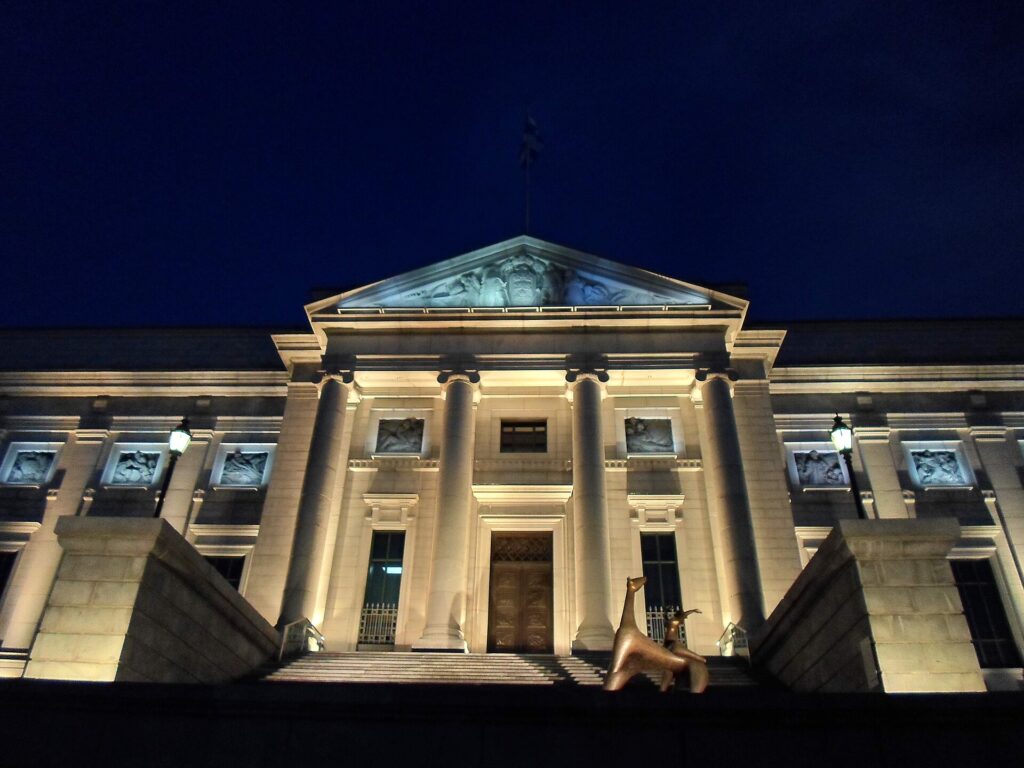
Best forArt lovers, visual culture, architecture
Setting / nearbyQuebec City, Canada
Overview
The Musée national des beaux-arts du Québec (MNBAQ) is an art museum located in Quebec City, Canada. It serves as the province’s main art institution, dedicated to the preservation, study, and presentation of Quebecois, Canadian, and international art. The museum holds a significant place in Canada’s cultural landscape by focusing largely on the visual arts that have contributed to the identity of Quebec and the wider region through various periods.
Established in the early 20th century, the MNBAQ originally started as a provincial collection before gradually expanding into a complex that incorporates several exhibition spaces. It offers visitors an in-depth experience of art history with regional specificity and connections to broader artistic movements. The MNBAQ is often recognized for its comprehensive and reflective approach to Quebec art, while also engaging with contemporary artistic practices and global cultural dialogues.
Collection Highlights
The core of the MNBAQ’s collection centers on Quebec art, spanning from the 17th century to the present. Visitors can expect to encounter works that chart the development of the province’s artistic styles and themes. This includes early religious paintings reflecting Quebec’s colonial history, folk art, as well as significant works from the 19th and 20th centuries, chronicling changes in society and culture.
The museum is particularly noted for its holdings related to the Group of Seven and their successors, artists who played a crucial role in defining Canadian landscape painting and national identity. Portrayals of Quebec’s natural environment and its people feature prominently. The collection also explores indigenous art, shedding light on the creative traditions and contemporary expressions of Indigenous peoples from the region and beyond.
In addition to painting, the museum presents sculpture, photography, works on paper, and other media that illustrate the evolution of artistic techniques and materials in Quebec. The MNBAQ also hosts temporary exhibitions that showcase international and Canadian artists, adding layers to its regional focus while drawing external perspectives into dialogue with Quebec’s art.
Building and Setting
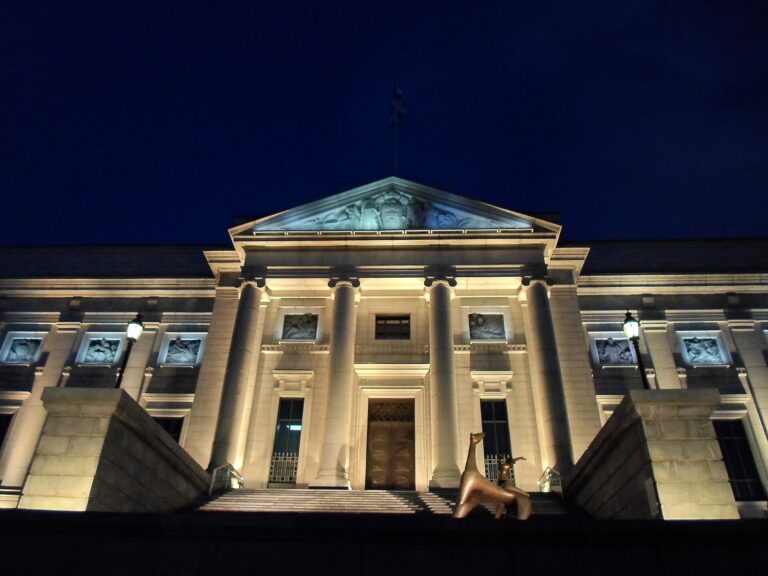
The museum’s physical presence is anchored in a complex that includes several architecturally distinct sections. One of the key features is a contemporary pavilion designed by a noted architect, which incorporates modern lines and a strategic use of natural light, suitable for exhibiting a range of artworks. This new addition is juxtaposed alongside an older building, integrating history and modernity.
The museum sits near or within Quebec City’s cultural district, making it accessible for those exploring the historic heart of the city. Its location allows visitors to combine the experience of art with a stroll in Quebec’s distinctive urban environment, which itself is recognized for its historical and architectural significance.
Throughout the museum, the layout encourages a thoughtful progression through different eras and styles. The building’s design accommodates both permanent collections and temporary exhibitions, with gallery spaces arranged to support a chronological or thematic exploration depending on the visitor’s interest.
Practical Information
Visitors planning to go to the MNBAQ should consult the official website to confirm current information about opening times, admissions, available tours, and any special requirements. Given the museum’s size and scope, planning a visit may benefit from allowing several hours to navigate both the permanent and temporary exhibitions.
The complex includes areas dedicated to education and public programs, which might offer additional interpretive materials or activities of interest. Visitor services such as those involving refreshments or retail can be verified in advance, as details may vary or be affected by seasonal factors.
The museum’s collection is displayed over multiple floors and spaces, which can involve stairs and some walking. Information on accessibility for those with mobility issues should be confirmed on official channels to ensure a smooth visit.
Why Visit
The Musée national des beaux-arts du Québec is worth including in an itinerary for those interested in Canadian art, particularly the visual culture of Quebec. It presents a detailed and evolving narrative of the province’s artistic achievements, offering insight into how art has mirrored and influenced Quebec society over centuries.
Visitors will find that the museum’s collection is more than a static display. It reflects ongoing dialogues about identity, history, and cultural expression, all framed within the unique context of Quebec’s bilingual and multicultural setting. For someone seeking a focused look at regional art within a broader national and sometimes international framework, the MNBAQ delivers a thoughtful and curated experience.
The museum’s architecture and location complement its collections, providing a physical setting that enhances the artwork’s meaning. By combining older heritage spaces with modern gallery design, it encourages visitors to consider art in relation to its environment and history.
While most visitors will appreciate the depth of the permanent collection, the museum’s rotating exhibitions can broaden the scope to include emerging artists or different artistic movements. This dynamic aspect means the museum can appeal to repeat visitors interested in the ongoing development of Canadian and global art conversations.
In summary, the Musée national des beaux-arts du Québec offers a substantive, regionally grounded exploration of art, suitable for both those with a general interest and those with more specialized knowledge. It may not cater directly to those looking solely for popular or international blockbuster exhibitions, but for visitors invested in art’s role in Quebec society and culture, it provides considerable substance and context. Checking the official website before a visit ensures the best experience with updated programming and practical arrangements.