Musée de la Libération de Paris
Military Museums · Paris, France. The Musée de la Libération de Paris is a local history museum situated in Paris that focuses on one of the city's defining moments during the mid-20th century: the Liberation of Paris from German…
Best forMuseum lovers, culture travelers, first-time visitors
Setting / nearbyParis, France
Overview
The Musée de la Libération de Paris is a local history museum situated in Paris that focuses on one of the city's defining moments during the mid-20th century: the Liberation of Paris from German occupation in August 1944. The museum’s narrative anchors itself on the complex and intense weeks leading up to, during, and immediately following this critical event of World War II. It introduces visitors to the diverse range of actors involved—French resistance fighters, ordinary Parisians, Allied forces, and German troops—and to the political and social atmosphere that shaped the liberation.
This museum serves not only as a memorial but also as a place to understand the impacts of occupation and liberation on Paris and its people. It deals with themes of resistance, collaboration, and the struggle for freedom in a city under siege. The institution therefore appeals to those interested in military history, 20th-century European history, and urban history. It further offers insights into how a major European metropolis confronted one of the most turbulent episodes in its recent past.
Collection Highlights
The core of the museum’s collection lies in documents, artifacts, photographs, and personal items relating to the Resistance movement and the liberation events. Visitors will encounter a variety of objects, including weapons used by the French Resistance fighters, personal effects of members of the resistance, and uniforms. The displays incorporate audio recordings and eyewitness testimonies, capturing the multiplicity of experiences during the occupation and the uprising.
One of the notable exhibits relates to the roles of various key groups in the liberation, such as the Free French Forces and the local Parisian population who took part in the uprising. Visual displays include photographs of streets, barricades, and combat scenes from 1944, helping to reconstruct a sense of the urban environment where these confrontations unfolded.
In addition to material traces of combat, the museum also presents political artifacts such as pamphlets, posters, and underground newspapers. These items relate to the covert communications and morale-building efforts among the resistance and citizens. Some exhibitions focus on the difficult choices faced by Parisians, highlighting both the courage and the tragic consequences experienced during the period.
While the collection gives a well-rounded narrative, it is concentrated almost entirely on the Liberation period itself, with only limited material on the broader Second World War context, such as France’s status before occupation or the aftermath. Visitors expecting a comprehensive overview of the entire war in France should be aware of the museum’s specific focus.
Building and Setting
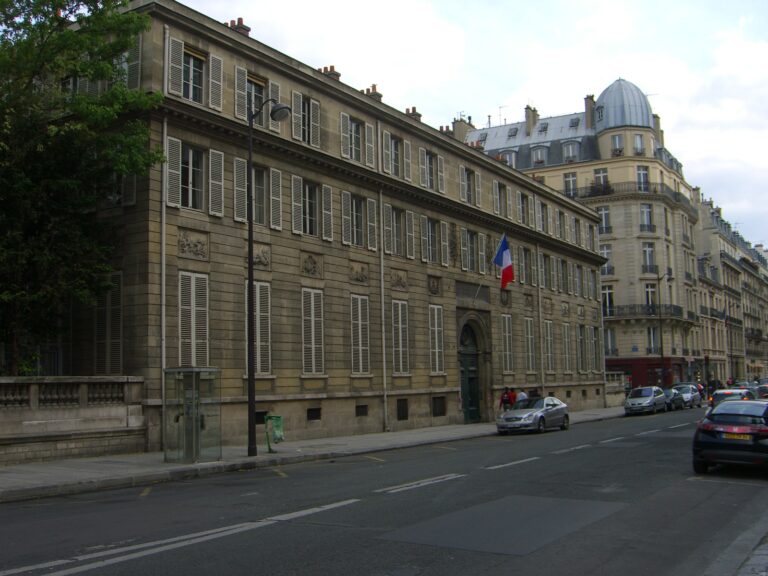
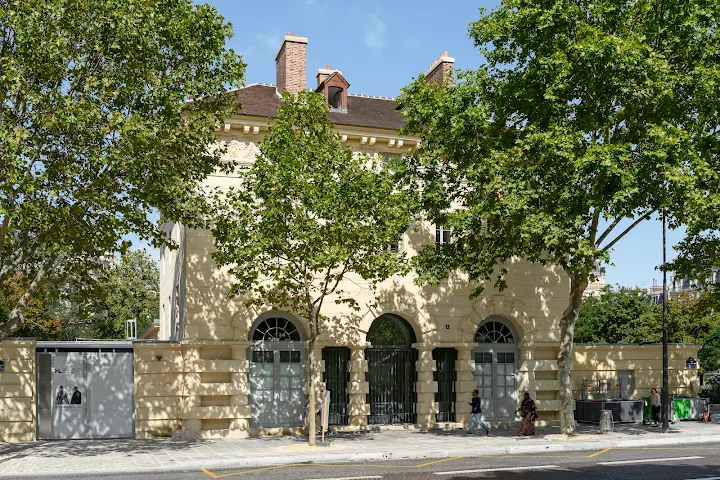
The museum is housed in a modest building located in a central Paris neighborhood closely linked to the events it recounts. The immediate surroundings are still evocative of the period, with streets and landmarks that featured prominently during the uprising. This proximity to historical sites enhances the visitor’s experience by situating the museum's narrative within the tangible geography of the city’s wartime unrest.
While the building itself is unobtrusive in scale and design, its interior offers a carefully organized series of rooms and display cases that move chronologically or thematically through the Liberation story. The layout supports reflection and gradual immersion, rather than overwhelming the visitor with large open spaces or crowds.
The museum’s location can be navigated easily on foot or by public transportation, but visitors should consider that the neighborhood is part of a dense urban area with limited parking options. Planning ahead remains advisable to manage logistics, especially during peak tourist seasons.
Practical Information
Since specific operational details may change, it is advisable for potential visitors to consult the official website of the Musée de la Libération de Paris before planning a visit. This ensures accurate information on current opening hours, any temporary closures, ticketing procedures, guided tours, group visits, and accessibility accommodations.
The museum’s entrance fee, if any, and potential reductions are best confirmed directly through official channels. Likewise, information regarding the availability of audio guides or special exhibition programming should be sought from the museum itself to ensure accuracy.
The museum’s visitor flow may vary significantly depending on events or anniversaries connected to the Liberation or broader historical commemorations. This can affect the atmosphere inside and the general accessibility at certain times of year.
Why Visit
Choosing to visit the Musée de la Libération de Paris means engaging directly with an episode of intense conflict and transformation in the heart of a major European capital. The museum stands out for its focus on the stories of resistance and liberation, told through personal testimonies and physically grounded artifacts that bring this period into sharper relief.
It serves a particular niche by focusing exclusively on the Liberation of Paris itself, rather than an extended view of the war or post-war France. This makes it especially interesting for those who have prior knowledge and want to deepen their understanding of this key moment, or for researchers and students looking to examine the local dynamics of occupation and resistance.
Instead of a broad military museum focusing on campaigns or strategy, this museum highlights the human dimension of conflict—the decisions, risks, and sacrifices endured by civilians and combatants alike. It also sheds light on the urban nature of the uprising, making clear how Paris as a cityscape shaped and was shaped by the events in 1944.
While it may not offer the extensive scale or multimedia experience of larger institutions, its restrained and focused presentation allows visitors to absorb detailed historical narratives at a manageable pace. Rather than competing with larger national museums, it complements them by offering depth in a particular subject.
In conclusion, the Musée de la Libération de Paris contributes significantly to understanding how Paris regained its freedom and how that extraordinary episode fits into the memory and identity of the city today. Visitors should come prepared to engage thoughtfully with the complex layers of history on display, aware that the museum invites reflection rather than spectacle. It is well suited to visitors interested in history, particularly those with a focus on World War II, resistance movements, and 20th-century Paris.