Musée d’Orsay
About: Go for the big names, stay for the quieter sculpture level. The clock window photo is classic but try to move on quickly. What to see: Start with.
Best forMasterpieces, architecture, cultural history
Setting / nearbyEurope
Overview
The Musée d’Orsay in Paris, France, stands as one of Europe’s most important art museums, offering a concentrated and insightful perspective on the transformation of European painting from academic tradition to modern art. Unlike larger institutions that span many centuries and styles, the Musée d’Orsay focuses primarily on a fertile period from the mid-nineteenth century to the early twentieth century, providing visitors with a cohesive narrative of artistic evolution. This focus allows for a more digestible and rewarding experience, where the development of styles and movements unfolds with clarity and coherence.
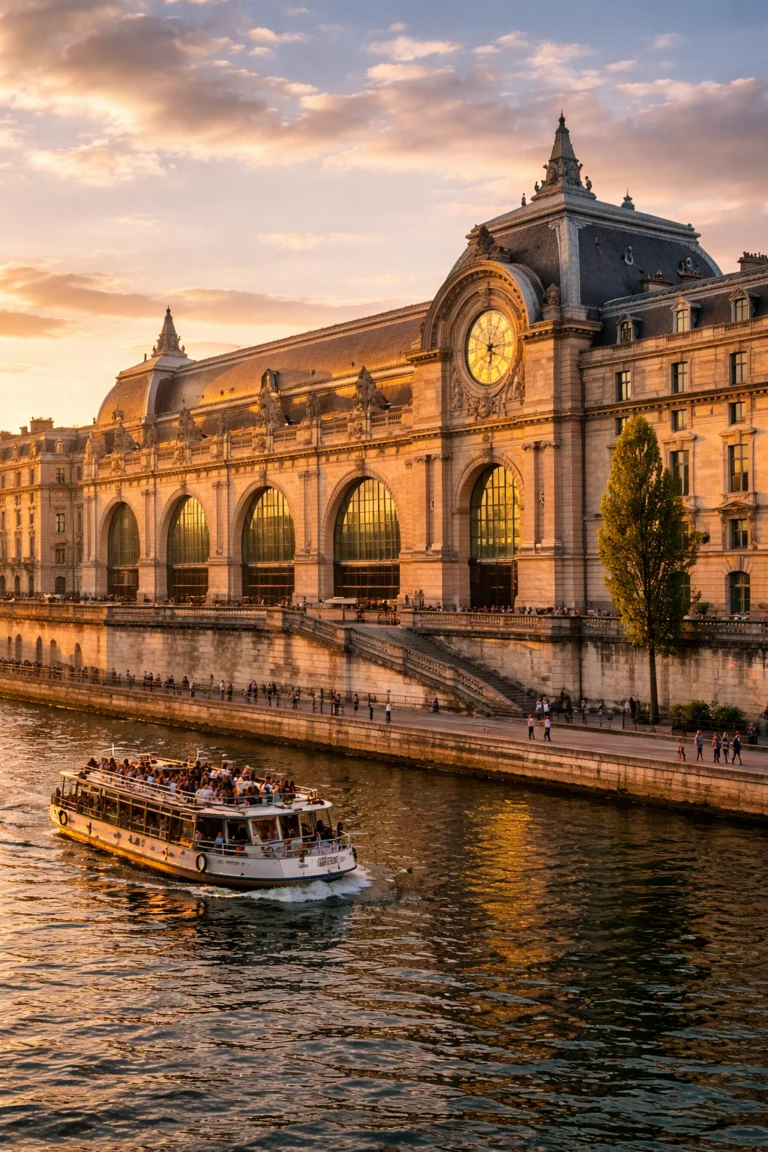
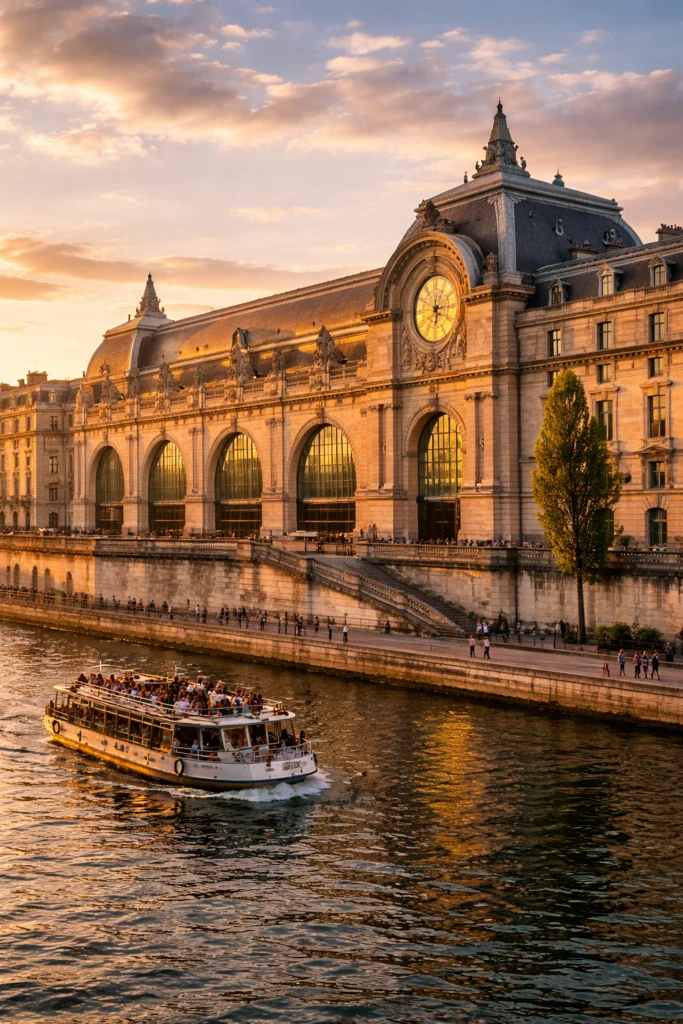
The museum’s unique character extends beyond its collection to its striking location inside the former Gare d’Orsay railway station, originally constructed for the 1900 Exposition Universelle. This distinctive setting creates an atmosphere that reflects the period of rapid change and experimentation mirrored in the artwork, making the visit resonate on both an artistic and architectural level. As a result, the Musée d’Orsay invites visitors not only to view masterpieces but to engage with a historic environment where art and history intertwine.
Collection Highlights
The Musée d’Orsay’s collection shines in its exceptional assembly of nineteenth and early twentieth-century French art, with particular strength in Impressionism and Post-Impressionism. Many visitors are drawn here specifically for works by Monet, Renoir, Degas, Van Gogh, and Cézanne, whose paintings form the emotional core of the museum. These galleries reveal how each artist responded uniquely to modern life, light, and movement — Monet’s exploration of atmosphere and changing light; Degas’s structured observational style; Renoir’s warmth and vitality; Van Gogh’s intense emotional expressiveness; and Cézanne’s pioneering approach that bridges traditional form and modern innovation.
Beyond these well-known figures, the museum provides a broader context, demonstrating the tensions between established academic art and emerging avant-garde tendencies. This includes finely curated galleries of sculpture and decorative arts, which often receive less attention but are equally important for understanding the era’s rich cultural landscape. The collection also benefits from its thoughtful chronological presentation, which helps articulate the story of artistic change more effectively than in more encyclopedic museums where works are dispersed across wide timelines.
Building and Setting
The museum’s home—the former Gare d’Orsay railway station—is a landmark of early twentieth-century architecture, notable for its expansive iron framework, high arched ceilings, and vast central hall. Originally built for the 1900 World’s Fair, the building’s industrial elegance and openness provide a distinctive backdrop that complements the sense of movement and innovation embodied in the artworks.
Visitors entering the main hall are immediately struck by the scale and airy quality of the space. The long vaulted nave, filled with light from large windows, establishes a rhythm quite different from traditional museum galleries. The historic architecture not only shapes the visitor experience but also reinforces the museum’s identity as a place of transition and modernity. One striking feature is the large clock window on the upper level, which offers picturesque views over Paris and serves as a poignant reminder of the building’s original purpose.
Practical Information
Visitors to the Musée d’Orsay are advised to check the museum’s official website or contact the institution directly for the latest information on opening hours, ticketing, and temporary exhibitions, as these details can vary. The museum’s relatively manageable size compared to larger Parisian institutions makes it feasible to explore in a few hours, though slower, more focused visits can be equally rewarding.
Be aware that the most famous galleries, particularly those housing the Impressionist and Post-Impressionist paintings, can become crowded, especially during peak times. Planning to visit these rooms early in the day can help ensure a more comfortable viewing experience. The museum also offers quieter galleries showcasing sculpture and decorative arts, providing a restful contrast to the busier painting sections.
With its central location and excellent public transport connections, the Musée d’Orsay is easily accessible for visitors staying in or near central Paris. It is recommended to allocate enough time to appreciate both the art and the architectural ambiance fully.
Why Visit
The Musée d’Orsay is especially appealing to visitors who have an interest in Impressionism, French art from the nineteenth century, or the origins of modern art. It presents a highly focused alternative to larger, more encyclopedic museums, allowing visitors to engage deeply with a transformative period in art history without feeling overwhelmed.
Additionally, the building itself enriches the experience, offering a unique fusion of architectural heritage and cultural treasures. Art lovers who appreciate how environment influences the presentation and perception of art will find the museum’s setting particularly rewarding.
Whether you are a first-time visitor to Paris seeking a major museum experience beyond the Louvre or a return visitor hoping to deepen your appreciation of nineteenth-century art, the Musée d’Orsay offers a compelling, accessible, and thoughtfully curated journey. Its combination of intimate scale, strong curatorial vision, and remarkable artworks makes it one of the city’s most satisfying and memorable museums.