Miraikan – National Museum of Emerging Science and Innovation
Science Museums · Tokyo, Japan. The Miraikan – National Museum of Emerging Science and Innovation in Tokyo is a science museum dedicated to showcasing the latest advances and research in scientific and technological fields. Established to present contemporary breakthroughs…
Best forScience fans, families, hands-on learning
Setting / nearbyTokyo, Japan
Overview
The Miraikan – National Museum of Emerging Science and Innovation in Tokyo is a science museum dedicated to showcasing the latest advances and research in scientific and technological fields. Established to present contemporary breakthroughs and ongoing developments, this museum aims to bring visitors closer to how emerging science intersects with society and everyday life. Unlike traditional natural history or technology museums focused largely on past achievements, this institution’s emphasis is on current and forward-looking topics. It presents science as a dynamic, evolving process rather than a fixed body of knowledge.
Located in Tokyo’s Odaiba area, the museum plays a distinctive role among Japan’s cultural and educational destinations. It reflects the country’s ongoing commitment to scientific progress and multidisciplinary innovation. The Miraikan targets a broad audience, including students, families, researchers, and visitors with an interest in science, technology, and how these fields influence future societal developments. While it involves complex themes, it is designed to communicate ideas in accessible ways without oversimplification.
Collection Highlights
Rather than displaying static objects or traditional artifacts, the museum’s core exhibits focus on cutting-edge science, interactive exhibits, and real-time research demonstrations. The collection often includes robotics, biotechnology, space exploration, environmental science, neuroscience, and information technology. For example, visitors may encounter humanoid robots that demonstrate advanced robotics skills, or simulations that illustrate space missions and planetary science.
One distinctive aspect of the collection is how it incorporates not just physical exhibits but also digital content, live data, and experimental setups. This means visitors can see ongoing scientific experiments or explore interactive models illustrating concepts like artificial intelligence or sustainable energy. The emphasis leans towards encouraging understanding through participation and inquiry rather than passive observation.
Exhibitions often address timely questions: What ethical issues does genome editing pose? How might robotics affect labor and daily living? What progress is being made in earth sciences related to climate change? These themes shift as research priorities evolve, so repeat visits may reveal quite different content over time.
Some permanent exhibits include displays on Japan’s scientific achievements and international scientific collaboration. They often highlight issues around human health, environmental challenges, and physics. The museum also organizes temporary exhibitions and special events related to recent innovations, though specific details depend on programming.
Building and Setting
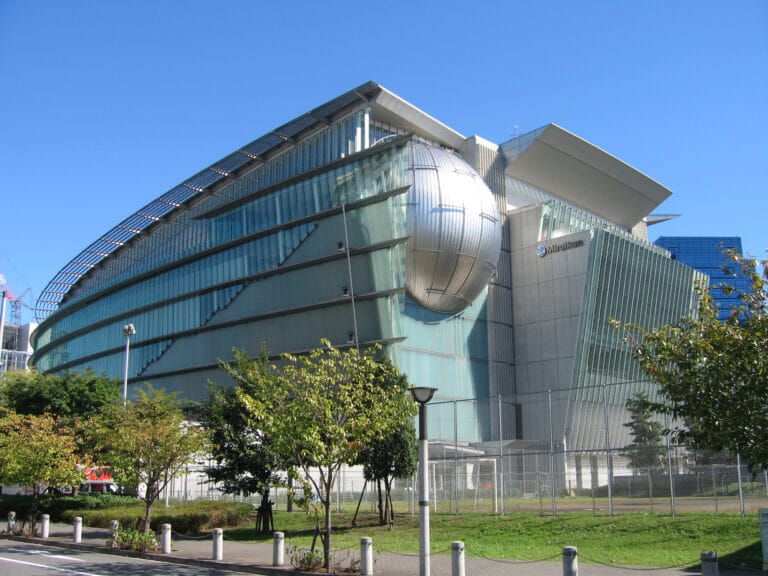
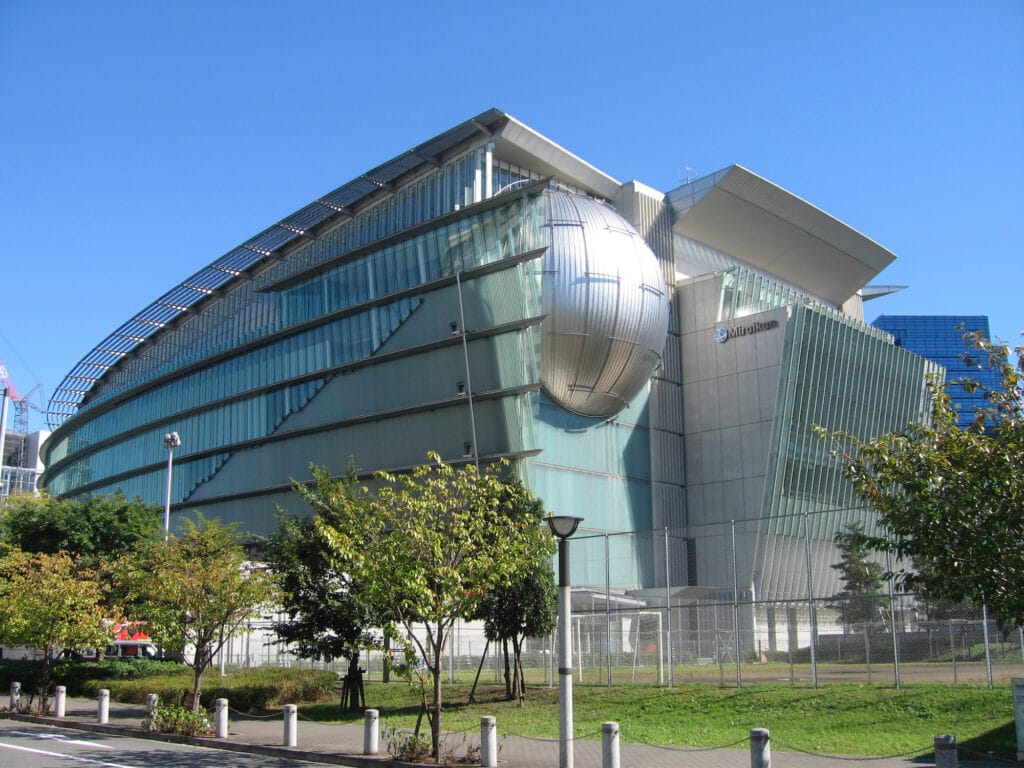
The Miraikan is located in the Odaiba district, an artificial island in Tokyo Bay known for modern architecture and waterfront views. The building itself is a modern structure designed with open interior spaces that accommodate large, interactive exhibits and experimental setups. Its design supports visitor engagement with technology, typically featuring wide galleries, dedicated zones for hands-on activities, and areas for lectures or workshops.
The site’s urban waterfront context provides easy public transportation access and places the museum within a cluster of entertainment, shopping, and cultural facilities on Odaiba. This location attracts a diverse crowd, from science enthusiasts to casual tourists exploring the island.
While the building’s contemporary style suits its scientific mission, visitors should expect a somewhat busy environment, especially on weekends or during school holidays. The layout is generally straightforward, but interacting with high-tech exhibits may require some time and curiosity to fully appreciate.
Practical Information
For up-to-date information on opening hours, ticketing, admission fees, guided tours, audio guides, accessibility features, and visitor services, it is best to consult the museum’s official website before planning your visit. Details can change, and certain exhibitions or activities may require advanced booking or have age or participation restrictions.
The museum’s location is well-served by public transport options including train and bus routes that connect with central Tokyo. This can help avoid the complications of driving or parking. The facility usually caters to a wide range of visitor needs, but checking accessibility specifics for persons with reduced mobility or sensory requirements is advisable in advance.
Visitor flow varies seasonally and may peak during school vacations, so those seeking a quieter experience might plan weekday mornings or non-holiday periods. The venue, being focused on science and technology education, tends to draw families with children as well as students and groups, which can affect noise levels and exhibit interaction.
Certain exhibitions may involve complex scientific concepts or require familiarity with current scientific issues to be fully meaningful. Although the museum makes efforts to communicate clearly, some visitors may find sections dense or challenging depending on their background. However, the interactive and multimedia approaches help provide entry points for a broad public.
Why Visit
The National Museum of Emerging Science and Innovation offers a distinct perspective compared to traditional museums by concentrating on science in the making rather than science accomplished. For those interested in scientific progress and current research challenges, it presents an opportunity to engage with how emerging technologies and discoveries might shape the near future.
The museum suits visitors who appreciate interactive displays and enjoy thinking about science as a dynamic and socially intertwined process. It can offer stimulating experiences for students and educators looking for up-to-date examples of applied science and innovation. The rotating exhibitions and commitment to emerging topics mean the content reflects some of the most pressing scientific questions today.
It is less suitable for visitors expecting a typical museum experience centered on historical artifacts or simple factual presentations. Instead, it requires a willingness to engage with complex ideas and sometimes abstract technology. The emphasis on interactivity, experimentation, and discussion offers a different kind of educational visit that may be particularly rewarding for curious minds.
Because the Miraikan is set in a lively urban district with various other attractions, it can be combined with nearby cultural or leisure activities. This helps create a full day outing for those who want to explore Tokyo’s contemporary science along with its broader cityscape.
In summary, the museum stands out for its forward-looking approach to science and innovation. While it may not fulfill the expectations of every museum-goer, it provides a thoughtful and often thought-provoking environment for those interested in how science continues to evolve and influence the world around us. Prospective visitors should align their visit with their interests and consider current programming by consulting museum resources in advance.