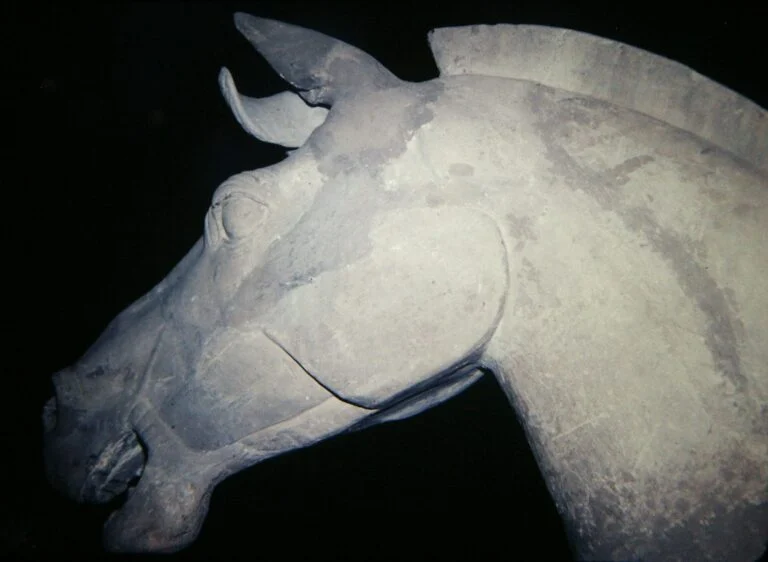
Luoyang Museum
Archaeology Museums · Luoyang, China. The Luoyang Museum is a regional museum located in the city of Luoyang, Henan Province, China. As one of the country’s oldest capitals and an important archaeological site, Luoyang has a long historical significance…
Best forMuseum lovers, culture travelers, first-time visitors
Setting / nearbyLuoyang, China
Overview
The Luoyang Museum is a regional museum located in the city of Luoyang, Henan Province, China. As one of the country’s oldest capitals and an important archaeological site, Luoyang has a long historical significance ranging from the Eastern Zhou through to the Tang dynasty and beyond. The museum serves as a repository for many artifacts related to the region’s rich cultural and historical heritage. Its primary focus is on archaeology and local history, reflecting Luoyang’s role as a key center of political power and culture in ancient China. Visitors to the museum can expect to find collections that illustrate the city’s place in Chinese civilization, as well as displays on its development over time.
Collection Highlights
The core strength of the Luoyang Museum is its archaeological material. The museum holds numerous relics excavated from Luoyang and surrounding sites. These include Bronze Age artifacts, such as ritual vessels and tools, which are representative of the early complex societies that thrived in this part of Henan. Particular attention is given to the Shang and Zhou dynasties, periods when Luoyang emerged as a regional capital. Visitors will find collections of bronze ware, pottery, jade objects, and weapons from these eras.
The museum also presents significant finds from the Eastern Han and Wei-Jin periods, including lacquerware, funerary objects, and inscriptions. Some exhibits relate to the city’s status during the Sui and Tang dynasties when Luoyang was one of China’s imperial capitals. Sculpture and Buddhist art pieces from this period illustrate the city’s role in religious and cultural developments. Daily life artifacts, such as ceramics, textiles, and coins, round out the historical narrative by providing context about the people who lived in this region.
Many pieces remain in good condition, reflecting careful excavation and preservation efforts. However, like any archaeological collection, some items may be fragmentary or reconstructed. Labels and descriptions are typically informative but can vary in detail; visitors interested in deeper scholarship might want to supplement their visit with additional reading or research.
Building and Setting
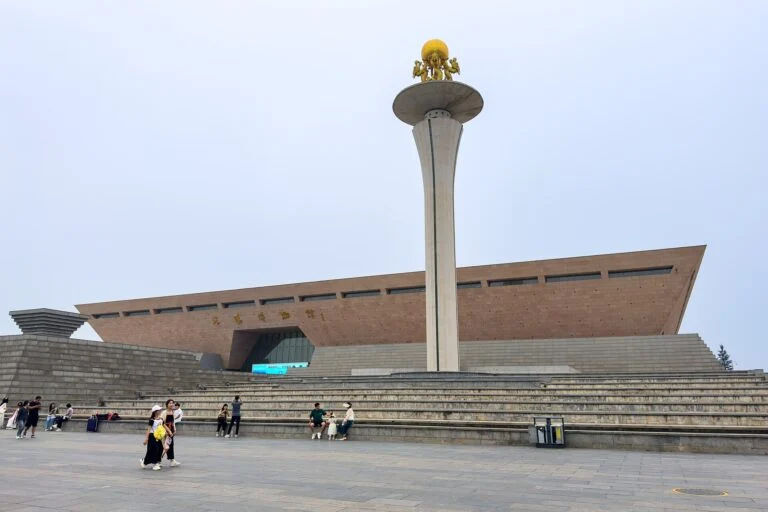
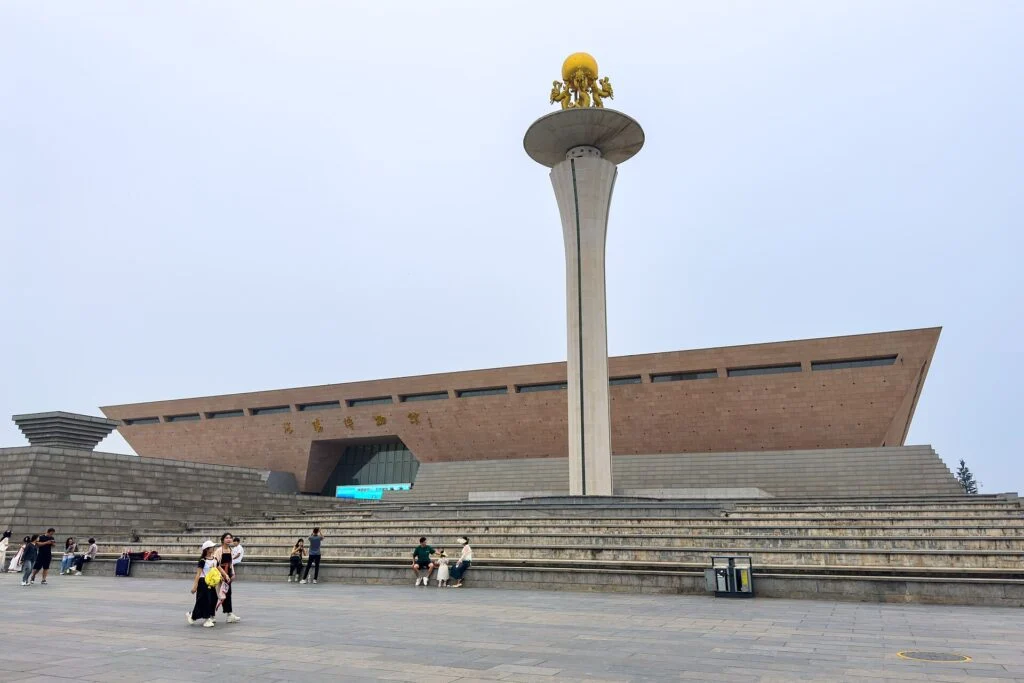
The museum is situated within Luoyang city, reflecting the urban environment that has evolved over centuries. The building itself is a substantial modern facility designed to house and display a large number of artifacts. The layout is generally logical, with galleries arranged according to chronological periods and themes. The museum design emphasizes space and lighting to allow the objects to be viewed clearly.
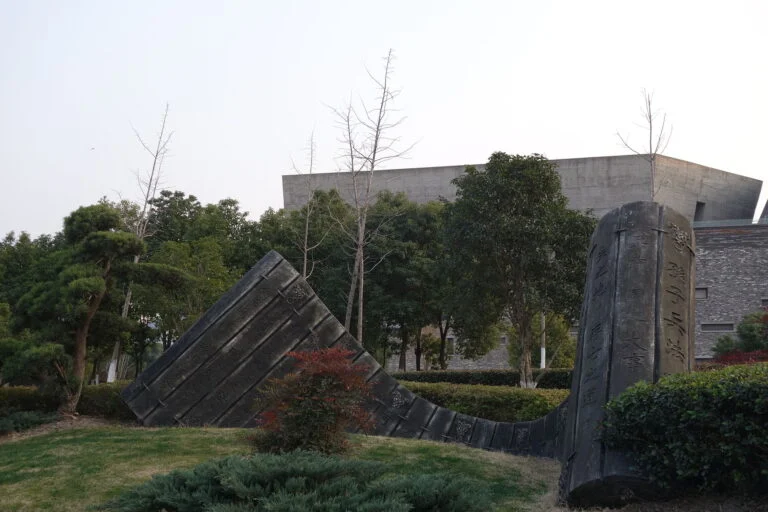
While the museum grounds do not include extensive outdoor areas or reconstructed historical architecture, the location places it near other cultural sites in Luoyang, which can enrich a visit when planned as part of a broader itinerary. The setting blends the city’s historical legacy with contemporary urban life. Visitors should be prepared for typical city conditions around the museum, including traffic and crowds, depending on the season.
Practical Information
Before planning a visit, potential guests should verify opening times, admission fees, and any restrictions or changes on the museum’s official website or through local tourist information services. Information on guided tours, audio guides, and accessibility options may be available but varies and should be confirmed in advance.
The museum is likely to require at least a couple of hours for a meaningful visit. Photography policies usually permit non-flash photos in most areas, though this should be checked for specific galleries. For those interested in in-depth exploration, a visit paired with a guidebook or additional commentary can enhance understanding.
Since Luoyang can be a popular destination for domestic tourists during certain times of the year, visiting on a weekday or outside peak holiday periods may offer a less crowded experience. Public transport and taxis provide access to the museum; parking availability is a factor to consider if traveling by car.
Why Visit
The Luoyang Museum holds particular appeal for those interested in ancient Chinese history, archaeology, and the cultural development of one of China’s early capitals. Its collections provide concrete evidence of the city’s significance in various dynastic periods, making it an important stop for anyone wishing to understand the region’s role within wider Chinese historical narratives.
Compared to larger national museums in Beijing or Shanghai, Luoyang Museum has a more focused remit, concentrating on local finds and histories. This can be an advantage for visitors who want depth rather than breadth in their experience. It may also be of interest to scholars or students with a specific research focus on early Chinese civilization.
That said, those expecting extensive multimedia presentations or very large-scale exhibitions might find the museum more traditional in its display style. It may also have limited materials in languages other than Chinese, which is worth considering for non-Chinese speakers.
In sum, the Luoyang Museum is a solid archaeological and local history museum offering insight into a city that was critical to China’s past. It suits visitors who appreciate history through artifacts and who seek to connect with an important cultural landscape through the tangible remains preserved here. Checking practical details ahead of time will ensure a smoother visit, while approaching the museum with an interest in ancient Chinese material culture will bring the greatest rewards.