Israel Museum
Archaeology Museums · Jerusalem, Israel. The Israel Museum in Jerusalem stands as a premier cultural institution, uniquely blending archaeological, art, and historical collections into a comprehensive narrative of human creativity and heritage. As one of the world's leading ency…
Best forMasterpieces, architecture, cultural history
Setting / nearbyA peaceful and spacious setting on the Givat Ram campus in Jerusalem, surrounded by beauti
Overview
The Israel Museum in Jerusalem stands as a premier cultural institution, uniquely blending archaeological, art, and historical collections into a comprehensive narrative of human creativity and heritage. As one of the world's leading encyclopedic museums, it presents a deep and nuanced exploration of the cultural and artistic history not only of Israel but of the wider Near Eastern region and beyond. Visitors can expect an enriching experience that connects antiquity with modernity, highlighting the enduring legacy of civilizations that have influenced present-day society.
Collection Highlights
The Israel Museum’s vast and diverse collections are a remarkable showcase of treasures spanning thousands of years. At the heart of its archaeological exhibits is the renowned Shrine of the Book, home to the Dead Sea Scrolls—ancient manuscripts that provide invaluable insights into early biblical texts and Jewish history. These manuscripts represent some of the most significant archaeological finds of the twentieth century and are displayed under carefully controlled conditions that allow visitors to appreciate their historical gravity.
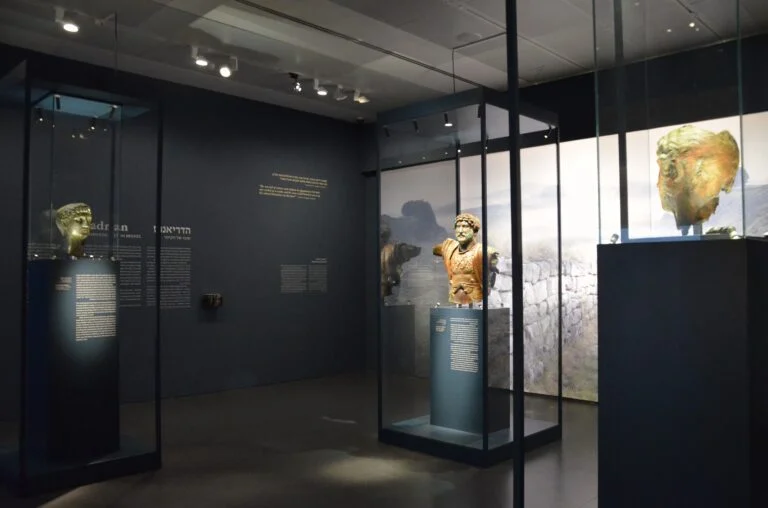
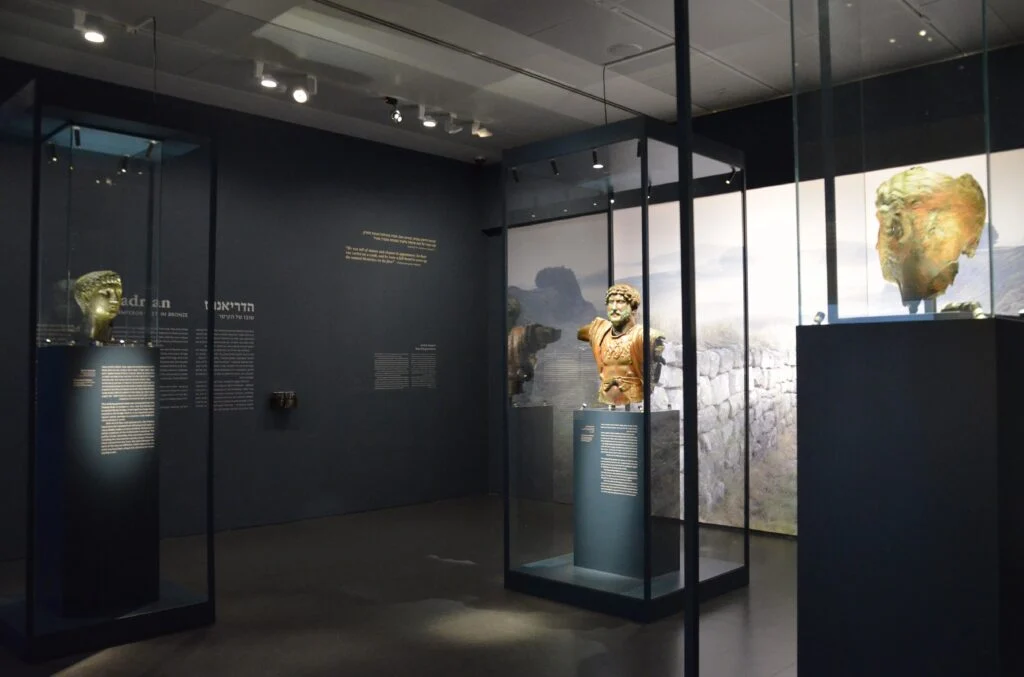
In addition to this centerpiece, the museum boasts an array of artifacts from the prehistoric period through to classical antiquity, including pottery, sculptures, coins, and jewelry from various periods that reveal the evolution of cultures in the Levant and surrounding areas. The archaeological collection skillfully illustrates the interplay of different civilizations, including Canaanite, Israelite, Roman, Byzantine, and Islamic cultures.
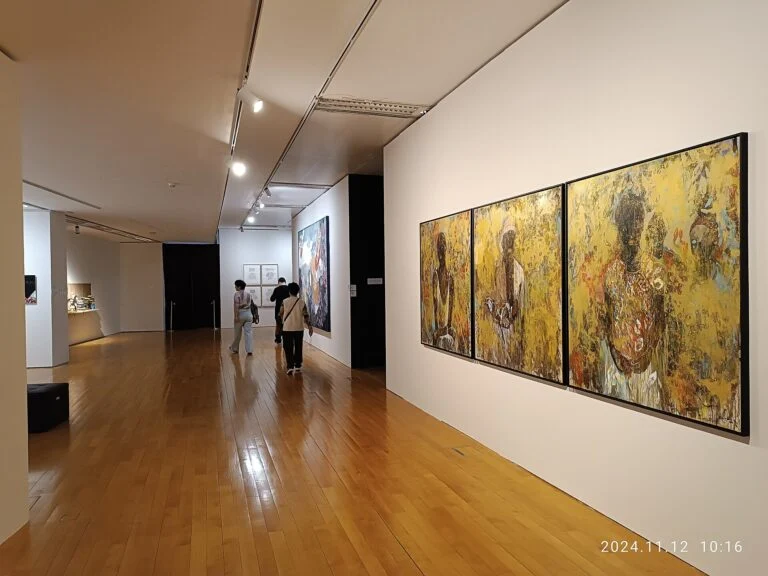
The Fine Arts section contains an impressive assemblage of classical and contemporary works. Paintings, sculptures, and textiles by both Israeli and international artists offer insights into artistic trends from European modernism to Middle Eastern contemporary art scenes. The museum’s holdings in Jewish art and life also provide a vibrant exploration of cultural identity, tradition, and modern expressions.
Another highlight is the extensive collection of ethnographic items from diverse communities, showcasing the material culture of Jewish diasporas, Arab populations, and other groups, thus reflecting the rich tapestry of cultural interchange that has characterized the region. Visitors can find everything from ceremonial objects to daily life artifacts, all narrating stories of cultural resilience and creativity.
Building and Setting
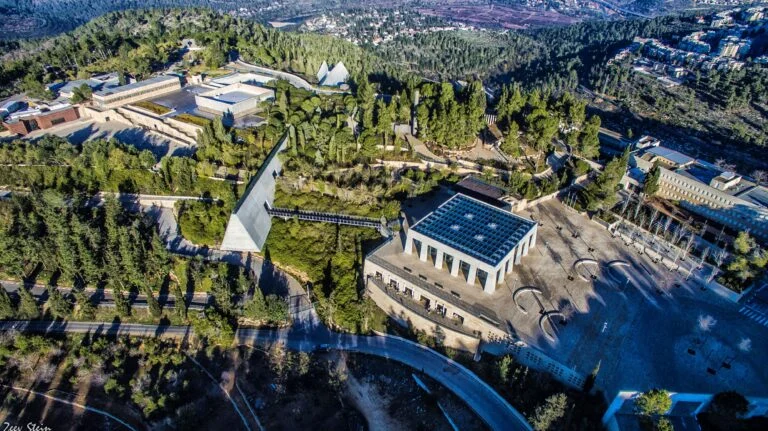
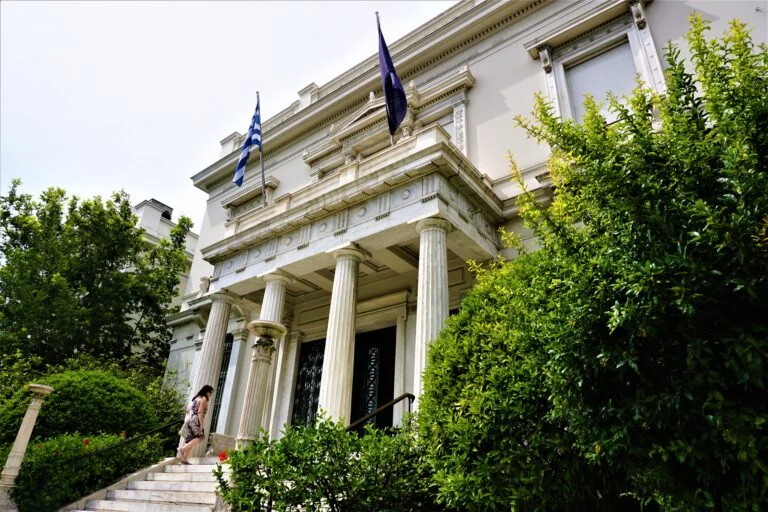
The Israel Museum is situated in a peaceful and spacious setting on the Givat Ram campus in Jerusalem, surrounded by beautifully landscaped gardens and open-air sculpture courts. The architecture is a thoughtful combination of modernist design with elements inspired by the geography and history of the region. This integration of indoor and outdoor spaces invites visitors to experience art and history within a contemplative environment.
One of the most striking features of the building is the Shrine of the Book, with its white dome symbolizing the lids of the jars where the Dead Sea Scrolls were discovered, contrasted by an adjacent black basalt wall. The museum’s layout encourages a natural journey through the galleries where open courtyards and walkways create a sense of connection between the exhibitions and the natural landscape.
The surrounding gardens themselves are part of the visitor experience, featuring sculptures and installations that enhance the dialogue between art, nature, and history. The location in Jerusalem situates the museum at the crossroads of religious and historical significance, making the visit not only an artistic and cultural exploration but also a moment of reflection on the city’s unique heritage.
Practical Information
Visitors considering a trip to the Israel Museum should note that verifying current opening hours and ticket prices ahead of their visit is advisable, as times and fees can sometimes change. The museum typically offers several entrances and includes facilities such as guided tours, educational programs, and accessible services to cater to diverse needs.
Additional amenities include cafes and gift shops where visitors can find publications and unique souvenirs related to the collections. Audio guides and digital apps may be available to enhance the experience with detailed information about individual exhibits and artists. Parking spaces and public transportation options provide convenient access to the museum from various parts of the city.
It’s recommended to allocate several hours to explore the breadth of exhibitions fully, as the museum encompasses multiple wings and thematic areas that could each warrant detailed attention. Special exhibitions are often hosted, complemented by lectures and workshops, so keeping an eye on the museum’s official website before visiting is valuable for up-to-date programming and any entry requirements.
Why Visit
The Israel Museum offers an unparalleled opportunity to engage deeply with the history and culture of Jerusalem and the broader region within a world-class setting. For anyone interested in archaeology, art history, or cultural studies, the museum serves as a vital link between past and present, revealing the complex layers of human experience that have shaped this land.
Its assemblage of the Dead Sea Scrolls alone makes it a key destination for those fascinated by religious history and ancient texts, but the museum’s appeal extends well beyond this. The fine arts collection bridges cultural divides, creating a dialog between Israeli artists and global art movements, enriching visitors' understanding of contemporary artistic expression in relation to tradition.
The beautifully maintained grounds and thoughtfully designed spaces create a welcoming atmosphere that encourages slow contemplation and discovery. The Israel Museum is not merely a repository of objects but a vibrant cultural center that reflects the diversity and dynamism of its community and region.
In visiting this distinguished institution, one connects with stories that transcend time and geography, gaining deeper insight into humanity’s creative achievements. It stands as a testament to the enduring power of art and archaeology to foster understanding and appreciation across cultures, making it an essential destination for anyone traveling to Jerusalem.