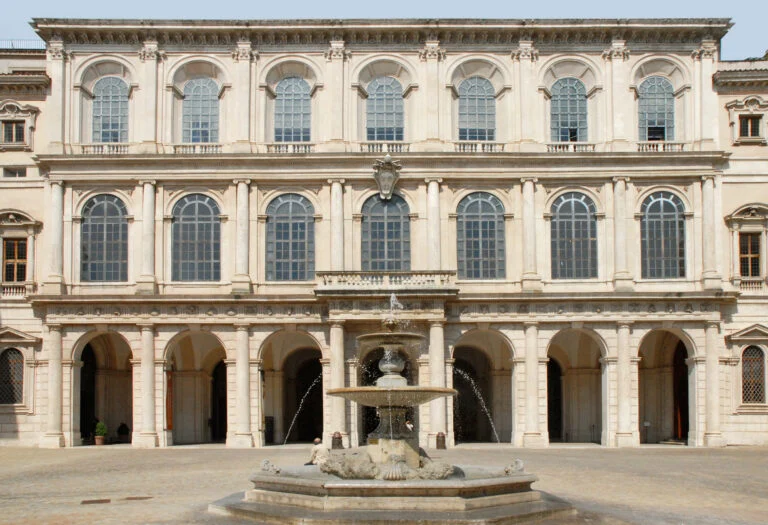
Galleria Nazionale d’Arte Moderna e Contemporanea
Art Museums · Rome, Italy. The Galleria Nazionale d'Arte Moderna e Contemporanea in Rome is Italy’s primary national museum dedicated to modern and contemporary art. Founded in the late 19th century, this institution charts the course of Italian and…
Best forArt lovers, visual culture, architecture
Setting / nearbyRome, Italy
Overview
The Galleria Nazionale d'Arte Moderna e Contemporanea in Rome is Italy’s primary national museum dedicated to modern and contemporary art. Founded in the late 19th century, this institution charts the course of Italian and international artistic movements from the 19th century into the present day. Situated in the capital city, the gallery holds a significant place in the country’s cultural landscape, reflecting Italy’s complex artistic evolution alongside broader European trends.
Unlike museums focusing on antiquities or Renaissance art, this gallery directs attention to developments over roughly the last two centuries. It offers a concentrated encounter with modernism, post-war art, and contemporary expressions, allowing visitors a focused understanding of how art interacted with societal changes, political upheavals, and new aesthetic ideas through this period. The museum’s role involves preservation, education, and exhibition, aiming to foster appreciation and critical discussion of modern and contemporary art.
Collection Highlights
The collection at the Galleria Nazionale d'Arte Moderna e Contemporanea is extensive, comprising thousands of works. It includes paintings, sculptures, prints, drawings, photographs, and multimedia works. While Italian artists constitute the core of the collection, it also represents key international figures, presenting a dialogue between Italy’s artistic output and broader modernist currents.
Visitors can expect to see significant works from the 19th and 20th centuries, including pieces by artists associated with Symbolism, Futurism, Metaphysical art, and Arte Povera among other movements. The museum displays works by painters and sculptors who helped define or respond to modernism in Italy, such as visible contributions from the early 20th-century avant-garde.
Attention is also given to mid-to-late 20th-century art, with examples of abstract and conceptual works, as well as emerging contemporary forms before the 21st century. Photography and graphic arts are also part of the museum’s holdings, illustrating the variety of media used by modern artists. Special exhibitions often highlight lesser-known or recently acquired pieces, contributing to an evolving presentation.
The collection’s depth allows for both chronological and thematic explorations. Some visitors might focus on Italy’s Futurist movement or the post-World War II period, while others may be drawn to modern sculpture or experimental mediums. Although not all works are on permanent display due to space and conservation concerns, the range presented offers a valuable insight into Italy’s modern and contemporary art history.
Building and Setting
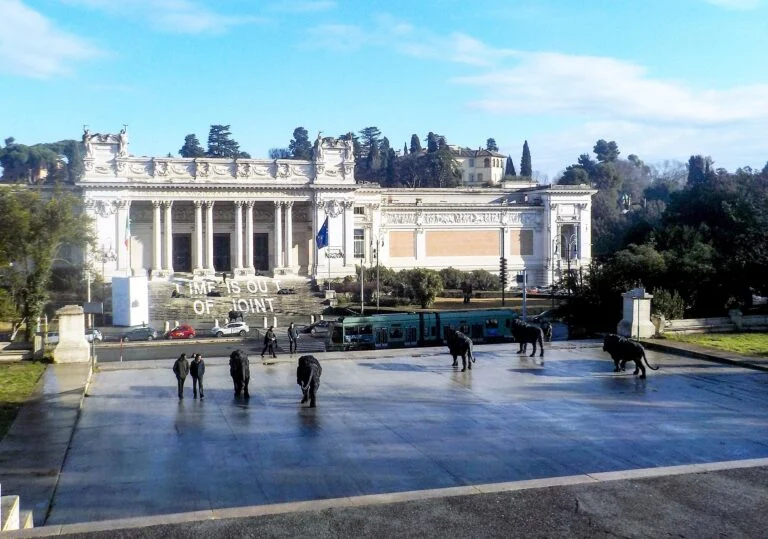
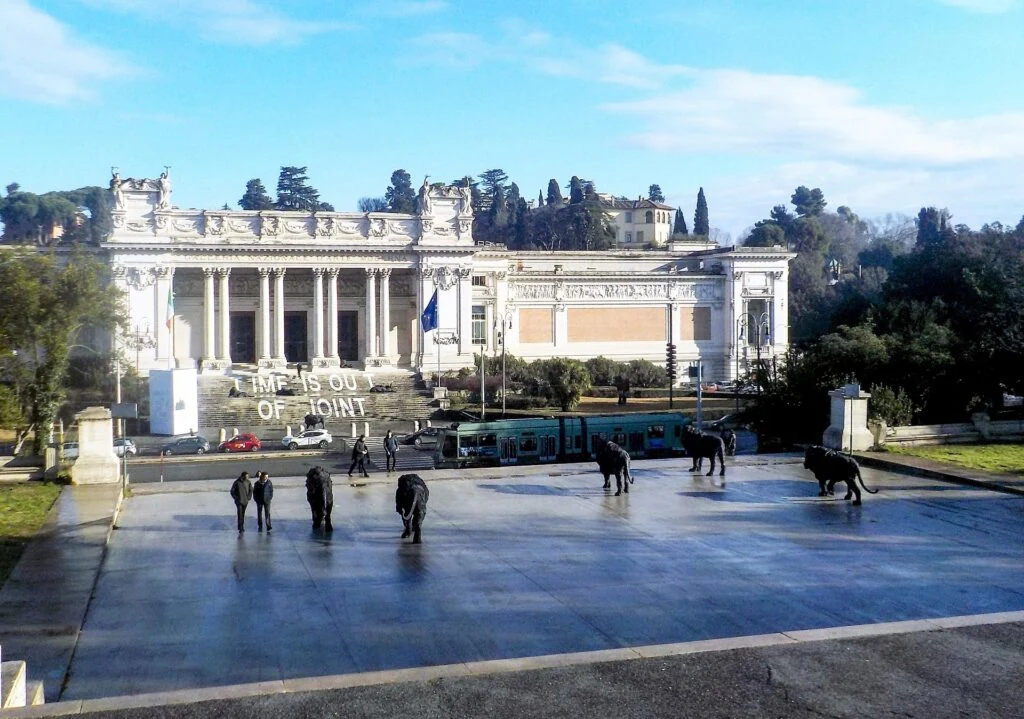
The Galleria Nazionale is housed in a substantial 20th-century building that blends its own architectural identity with its urban Roman context. Located within Rome’s Villa Borghese park area, the gallery is near other cultural institutions, contributing to an arts-focused precinct. The setting of Villa Borghese provides visitors with the opportunity to combine museum visits with outdoor walks in the park’s landscaped grounds.
The building is functional, designed to accommodate large-scale artworks and exhibitions, with galleries arranged to facilitate a narrative progression through recent art history. While the architecture is not overwhelmingly distinctive as a historical monument, it reflects the mid-20th century sensibility of a space dedicated to modern art rather than historicist design.
Museum navigation is generally straightforward, though the scale means visitors could easily spend several hours moving through the rooms and exhibitions. The layout allows for both focused viewing and broader thematic displays. Lighting and wall colors tend to support the artworks without distraction, reinforcing the museum’s role as a place for concentrated attention on modern and contemporary works.
Practical Information
Before visiting, potential guests should consult the museum’s official website for the latest information on opening hours, entry fees, guided tours, and visitor regulations. Details such as admission costs, booking policies, and accessibility provisions can vary and are best confirmed directly. This is sensible, given that museums often adjust hours seasonally or temporarily close for reinstallation and conservation work.
Given its location in a busy part of Rome, visitors might want to consider transport options in advance. Public transportation and taxis serve the area, though traffic congestion can affect travel times. For those interested particularly in contemporary art, checking if any temporary exhibitions or events coincide with their visit will provide a richer experience.
The museum’s capacity can mean peak times are busier, especially on weekends and holidays. Visitors looking for a quieter experience might plan visits during weekday mornings or early afternoons. Although the gallery aims to be welcoming to a wide range of audiences, some visitors may find the volume of modern and contemporary works less approachable without background knowledge; preparatory reading or use of official museum resources could enhance understanding.
Why Visit
The Galleria Nazionale d’Arte Moderna e Contemporanea offers a concentrated look at an often challenging but rewarding period of art history. For those interested in how Italian artists related to movements such as Futurism, Metaphysical art, and Arte Povera, the museum presents key works alongside broader European modernism.
This museum suits visitors who have a serious interest in modern and contemporary visual culture or are curious about the developments in Italy’s artistic scene beyond the classical landmarks. It offers an opportunity to engage with the shifts in style, technique, and artistic philosophy that shaped the last 150 years of art, providing context to the complexities and contradictions of modernity.
While not everyone gravitates naturally toward modern art, the Galleria Nazionale’s collections and exhibitions can deliver moments of insight and discovery. It makes tangible the interplay between art and societal change in Italy’s recent past, helping visitors understand both well-known and less familiar artists.
On the other hand, those whose tastes tilt more towards ancient art, sculpture of the Renaissance, or classical antiquity may find the focus here quite different. The museum deliberately privileges 19th-century onwards works, so it may not satisfy those seeking the traditional Roman art experience often linked with the city.
In sum, the Galleria Nazionale d’Arte Moderna e Contemporanea stands as a key cultural institution for exploring Italy’s artistic identity in the modern and contemporary eras. Thoughtfully prepared visits can provide a useful overview and a more informed appreciation of Italian contributions to global art history after the 19th century. Visitors curious about the transition to modernism and its legacies in Italy will likely come away with a clearer sense of how art responded to modern life’s upheavals and innovations.