Galleria Doria Pamphilj
Art Museums · Rome, Italy. The Galleria Doria Pamphilj is a private art museum housed in a palatial townhouse in the heart of Rome, Italy. This museum differs from many public galleries; it displays the extensive collection of paintings,…
Best forMuseum lovers, culture travelers, first-time visitors
Setting / nearbyRome, Italy
Overview
The Galleria Doria Pamphilj is a private art museum housed in a palatial townhouse in the heart of Rome, Italy. This museum differs from many public galleries; it displays the extensive collection of paintings, sculptures, and decorative arts amassed by the illustrious Doria Pamphilj family over several centuries. Located on Via del Corso, one of Rome’s central streets, the Galleria offers a glimpse into the world of aristocratic patronage and collecting in Italy. The museum operates within the family’s historic urban palace, presenting the art within opulent surroundings that reflect its original domestic context rather than a neutral modern exhibition space.
The museum's identity is anchored in the preservation of a private collection retained by the descendants of the noble Pamphilj lineage, alongside the Doria and Landi families through marriage. This means visitors are seeing artworks in rooms that once served as living and reception spaces, contributing to the atmosphere and storytelling possibilities. Unlike some large, state-run museums with itinerant displays, this collection is relatively stable and presented in situ. The Galleria is devoted almost entirely to fine arts with an emphasis on Italian and European painting, spanning the Renaissance through to the Baroque and onward to the 18th century.
Collection Highlights
The collection at the Galleria Doria Pamphilj is notable for its quality, focus, and the presence of several masterpieces by some of the most celebrated artists in Western art history. It includes works from the 15th century Italian Renaissance, powerful Baroque pieces, and fine examples of later European painting.
Among the standout paintings are works by Caravaggio, whose style and dramatic use of light reverberate through the Galleria, most famously “Rest on the Flight into Egypt,” a quietly powerful and contemplative canvas placed in an intimate room. The museum houses an early Titian portrait, representing the Venetian master’s skill in portraiture and color. Raphael's work is represented by one of his well-known portraits, providing an opportunity to examine the artist’s delicate realism and psychological insight.
Velázquez, the Spanish master, is also featured here, with an imposing portrait that contrasts with the Italian works and enriches the collection’s narrative on European art. Aside from paintings, the Galleria includes significant decorative arts, period furnishings, exquisite family portraits, and family heirlooms that offer insight into the lifestyles of the Roman nobility who assembled this collection.
While the collection is predominantly paintings, there are sculptures and decorative arts that reflect the family’s taste and the history of collecting in Rome. The museum’s careful preservation of objects in their original palace rooms creates a cohesive, immersive experience focused more on the intimate relationship between art and aristocratic environment than on exhaustive academic display.
Building and Setting
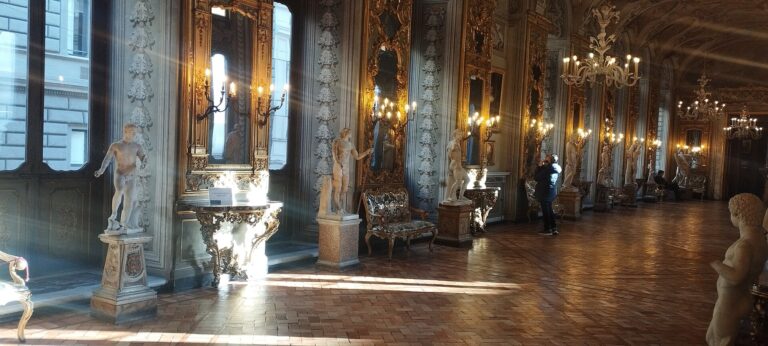
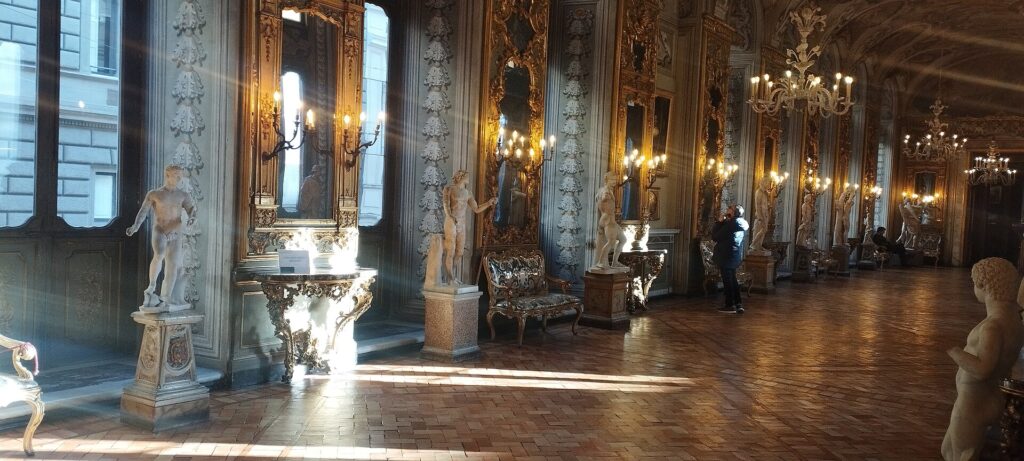
The Galleria Doria Pamphilj is located inside the Palazzo Doria Pamphilj, a large Roman palace that has been the family seat for centuries. The palace itself is an important historical monument, featuring elaborate Baroque architecture interspersed with Renaissance elements, reflecting architectural development in Rome over multiple periods. The private ownership status means that the building is both a residence and a gallery, a rare situation compared to most city museums.
Visitors encounter richly decorated reception rooms, corridors, and chapels that reveal the grandeur of a noble Roman family’s urban home. High ceilings, frescoed walls, and sumptuous interiors provide a fitting backdrop that adds to the art’s impact. The Galleria is situated on a busy central street in Rome, nestled among other historic landmarks, which integrates it fully into the rhythm of the city’s old center.
In practical terms, the museum’s layout can feel more intimate than some larger museums due to the palace’s original residential design. Visit flow might be subject to space constraints, especially during peak tourist seasons, so prospective visitors should consider this when planning their visit. The combination of the artwork and the setting is a key part of the experience, highlighting the close relationship between art, architecture, and social history in the context of aristocratic Rome.
Practical Information
Visitors interested in the Galleria Doria Pamphilj should check the museum’s official website ahead of time for the most up-to-date details on opening hours, ticketing, tour availability, and any visitor requirements. Since the museum functions within a historic residence still partially used by the family, its public access times and visitor policies may vary seasonally or due to private events.
Entrance generally involves admission fees, but specific pricing and concessions should be confirmed from official sources to ensure accuracy. The museum’s central location makes it easy to reach by public transportation and on foot, given its setting in Rome’s historic core. However, parking information and accessibility options should be verified in advance for those with mobility concerns or those arriving by car.
While guided tours or official audio guides may be available, confirmation should come directly from museum resources. The Galleria’s intimate spaces and concentration on quality rather than quantity mean visitors can often take their time to absorb the art in quiet rooms, but larger groups might find the rooms somewhat constrained.
The museum’s retail offerings, if present, tend to be modest, typically focusing on catalogues or art books related to the collection. Food and drink facilities are not a standard feature of the palace museum itself, so visitors should plan accordingly.
Why Visit
The Galleria Doria Pamphilj offers a different experience from many public art museums by presenting a private collection still held by a noble family in their historic residence. For those interested in art history, the chance to view works by Caravaggio, Raphael, Titian, and Velázquez in context is compelling. The museum allows visitors to see not just great paintings but how such works were originally displayed and appreciated within aristocratic spaces.
Its focus on Italian and European fine arts, combined with the intact Baroque palace interiors, creates a concentrated glimpse of Roman cultural history spanning multiple centuries. Visitors who appreciate atmosphere and historical layering will find this contrast with large modern museums rewarding. It suits those who enjoy art within lived-in settings and who have an interest in aristocratic patronage and collecting traditions in Italy.
The Galleria does not offer a broad overview of all art history or contemporary works; its strengths are depth, quality, and original context. This can make it feel more like stepping back into a particular period and familial world rather than traveling through a chronological museum narrative.
For visitors to Rome with a strong interest in Renaissance and Baroque painting, the museum complements city-wide cultural visits such as the Vatican Museums and Borghese Gallery by focusing on private patronage and the interplay between art and noble identity. The palace setting demands some patience and preparation for the spatial and visitor flow characteristics of a residence-museum hybrid.
In summary, the Galleria Doria Pamphilj is a worthwhile destination for those who appreciate Italian art history and the experience of art displayed within an aristocratic home. It stands apart from many other Rome museums through the constancy of its collection and the intimate setting of a still-inhabited, historic Roman palace, offering a distinctive cultural visit. Visitors should prepare by checking current visitor information before their trip and plan their visit as part of a broader exploration of Rome’s art-infused environment.