Case romane del Celio
Archaeology Museums · Rome, Italy. The Case romane del Celio is a fascinating archaeological museum nestled in the historic heart of Rome, Italy. This museum offers visitors a unique glimpse into the living spaces of ancient Romans, preserving remarkable…

Best forTransport history, engineering, families
Setting / nearbyThe Caelian Hill, one of Rome’s historic seven hills
Overview
The Case romane del Celio is a fascinating archaeological museum nestled in the historic heart of Rome, Italy. This museum offers visitors a unique glimpse into the living spaces of ancient Romans, preserving remarkable examples of residential architecture and decoration from the height of the Roman Empire. Unlike traditional archaeological museums that focus on isolated artifacts or grand public buildings, this museum is dedicated to exploring the intimate domestic environments of Rome’s ancient inhabitants. It provides an immersive experience into the city's layered past through vivid wall paintings, mosaics, and the authentic settings in which these everyday lives unfolded.
Collection Highlights
At the core of the museum’s appeal is its astonishing collection of frescoes that once adorned the walls of patrician homes. These brightly colored paintings reveal rich aspects of Roman taste, mythology, and daily life, showcasing a variety of artistic styles from the Roman imperial period. The frescoes include mythological scenes, intricate floral motifs, and even some depictions of hospitality and banquets, offering a window into how Romans combined functionality with beauty in their domestic environments. Complementing the frescoes are stunning mosaics crafted from tiny, multicolored tesserae, demonstrating the exceptional skill of Roman artisans.
Another highlight is the architectural elements preserved within the homes, including vaulted ceilings, niches, and mosaic floors. The museum’s layout allows visitors to appreciate how these elements integrated to create elegant interiors that reflected social status and wealth. In addition to the visual artistry, fragments of inscriptions and everyday household objects occasionally complement the displays, providing contextual clues that enrich understanding of domestic life and social customs in ancient Rome. This makes the museum not just a collection of beautiful art but an important site for studying Roman urban life and social history.
Building and Setting
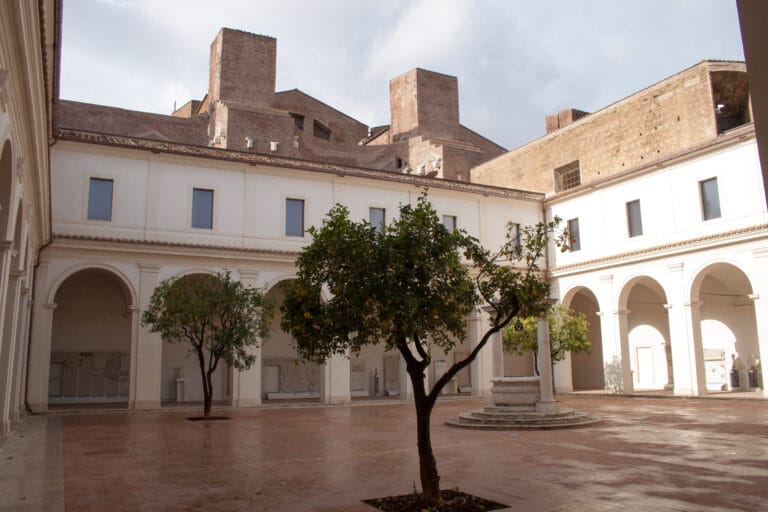
The Case romane del Celio itself occupies a cluster of ancient residential buildings set on the Caelian Hill, one of Rome’s historic seven hills. This location contributes to the museum's charm and authenticity, as it remains embedded in a neighborhood that has been continuously inhabited since antiquity. The architectural fabric of the buildings retains much of its original Roman character, enabling a rare, almost tangible connection to the city’s ancient past.
Throughout the museum, visitors move through a carefully reconstructed sequence of domestic spaces, from atriums to triclinia (dining rooms), which have been preserved or restored to evoke the atmosphere of Roman homes. The surrounding area of Rome offers picturesque views and a quiet environment, somewhat removed from the hustle and bustle of more heavily toured parts of the city. The combination of setting, architecture, and collection creates a uniquely intimate encounter with Rome’s ancient residential culture, enhanced by the nearby archaeological sites and historic landmarks of the Celio district.
Practical Information
Those interested in exploring the Case romane del Celio should note that the museum operates as a specialized archaeological site, and as such, access may be limited or regulated to preserve sensitive materials. It is advisable to check the official website prior to planning your visit, especially for current opening hours, admission fees, and any booking requirements. These details can be subject to change due to conservation efforts, special exhibitions, or local regulations.
The museum is best suited to visitors with an interest in archaeology, art history, and ancient Roman culture, including students, researchers, and enthusiasts. While the spaces are not extensive compared with larger museums, the focus and preservation quality provide a rich, complementary experience to other Roman sites. Access may involve walking in uneven ancient flooring or through narrow corridors. Facilities such as guided tours and informational brochures might be available, though offerings can vary depending on the season and operational considerations.
Located within Rome, the museum benefits from good transport links including buses and nearby metro stations. Visitors can combine a tour here with other historical landmarks in the Celio area or across the city, making it a flexible addition to any itinerary centered on Roman antiquity.
Why Visit
The Case romane del Celio offers a compelling reason to journey away from the more crowded, well-known museums of Rome to discover the nuances of everyday life in a bygone era. This museum stands out by providing a close-up look at how art, architecture, and social customs converged within the private spaces of Rome’s elite residents. Such a perspective is invaluable for gaining a fuller, more humanized understanding of ancient Roman civilization beyond monumental temples and public forums.
Visitors seeking to deepen their appreciation of Roman artistry and domestic architecture will find inspiration in the exquisite frescoes and mosaics that have survived here nearly intact. The authenticity of the setting, coupled with the quality of preservation, makes it a rare opportunity to witness firsthand the environments that shaped Roman social identity and culture. The museum’s atmosphere encourages reflection on the continuity of urban life—that people once lived, celebrated, and entertained in these very spaces close to where millions still walk today.
Moreover, the Case romane del Celio enriches any cultural visit to Rome by presenting history in a context that is vivid and accessible without sacrificing academic rigor or aesthetic value. It is a place where history lovers, art admirers, and curious travelers can connect with the past in a meaningful, tangible way. For those interested in the layered stories of Rome’s neighborhoods, this museum offers a quiet, richly textured experience that complements the grandeur of the city’s broader archaeological heritage.
In summary, the Case romane del Celio is an essential destination for those who wish to explore the intimate realities of Roman life, appreciate ancient art beyond the gallery, and enjoy a peaceful, evocative setting nestled in one of the world’s most iconic cities. Further details can be found on their official website at http://www.caseromane.it/, serving as a helpful resource for planning an insightful visit.