Canadian Museum of History
History Museums · Gatineau, Canada. The Canadian Museum of History, located in Gatineau, Quebec, stands as a major cultural institution dedicated to exploring the richness and diversity of Canada’s social and cultural history. It functions primarily as a history…
Best forHistory lovers, cultural travelers, local heritage
Setting / nearbyGatineau, Canada
Overview
The Canadian Museum of History, located in Gatineau, Quebec, stands as a major cultural institution dedicated to exploring the richness and diversity of Canada’s social and cultural history. It functions primarily as a history museum, focusing on the peoples, cultures, and events that have shaped the nation’s development. Its proximity to Ottawa, across the Ottawa River, emphasizes its role as a national museum serving visitors from across Canada and abroad.
Rather than focusing solely on political or military narratives, this museum embraces a broad human history perspective, incorporating indigenous cultures, immigrant communities, and evolving Canadian identities. It presents history through a range of artifacts, multimedia exhibits, and interpretive displays that aim to offer visitors insights into the country’s past and present. The museum also extends its themes beyond solely Canadian topics to include a global outlook on cultural history, which can appeal to visitors interested in comparative cultural experiences.
Collection Highlights
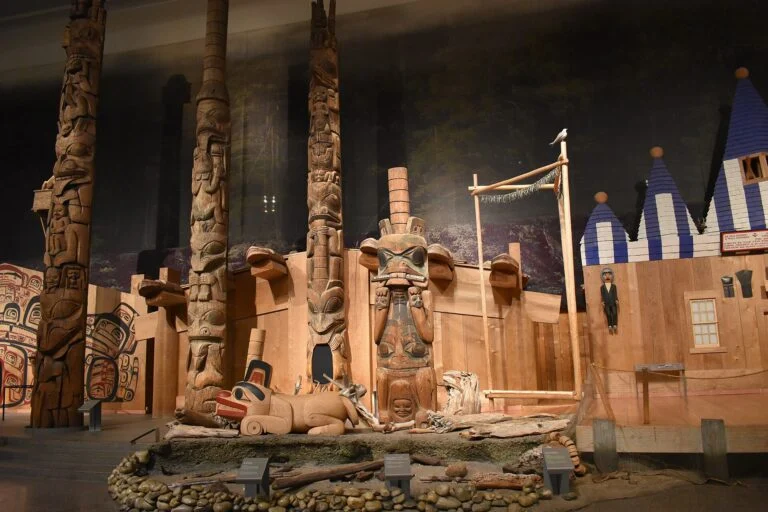
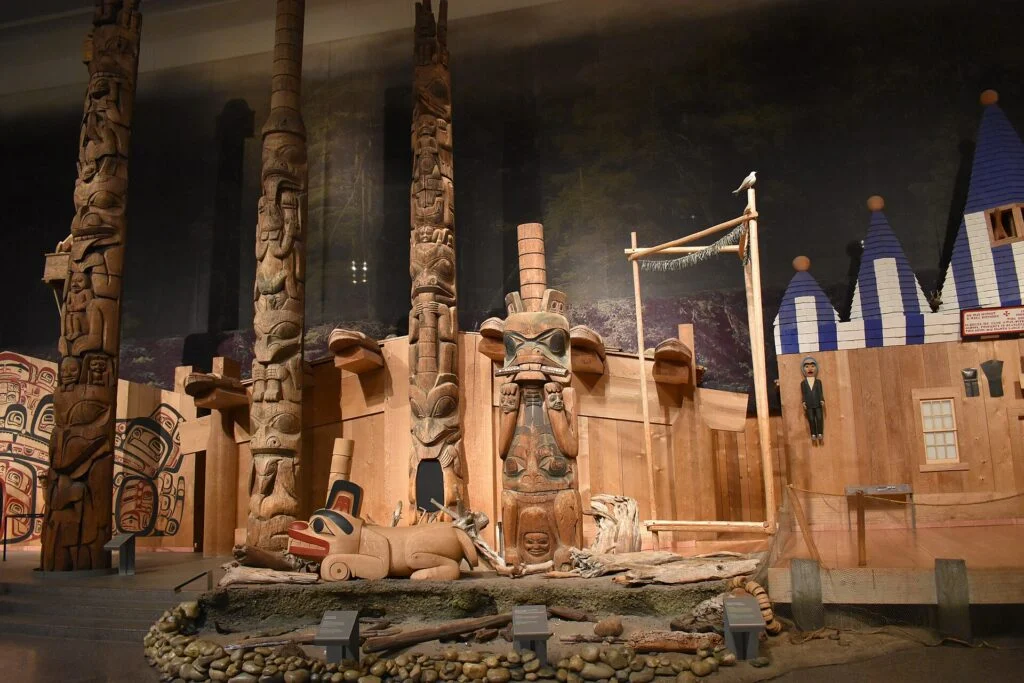
The Canadian Museum of History’s collection includes a diverse range of artifacts relating primarily to Canadian and indigenous history. One of its most notable features is its extensive focus on First Nations peoples, highlighting their art, traditions, and histories through various exhibits. Visitors can encounter traditional clothing, tools, ceremonial objects, and art forms that illustrate the living cultures and past heritage of Canada’s indigenous communities. These displays are particularly important as they emphasize indigenous perspectives often underrepresented in conventional historical narratives.
Another significant aspect of the collection involves Canadian cultural artifacts that document the immigration waves and settlement patterns throughout the country’s development. Exhibits often showcase items from different eras, shedding light on the experiences of diverse groups who have contributed to Canadian society.
The museum is also known for its collection of archaeological and ethnographic material from across Canada and internationally, aiming to provide a well-rounded view of human history and cultural diversity. This contributes to a richer context when considering Canada’s place within wider global stories.
Among the displayed objects, visitors might find historical documents, artworks, textiles, and everyday objects that connect personal and collective histories. These items are arranged to invite reflection on identity, belonging, and historical continuity.
Building and Setting
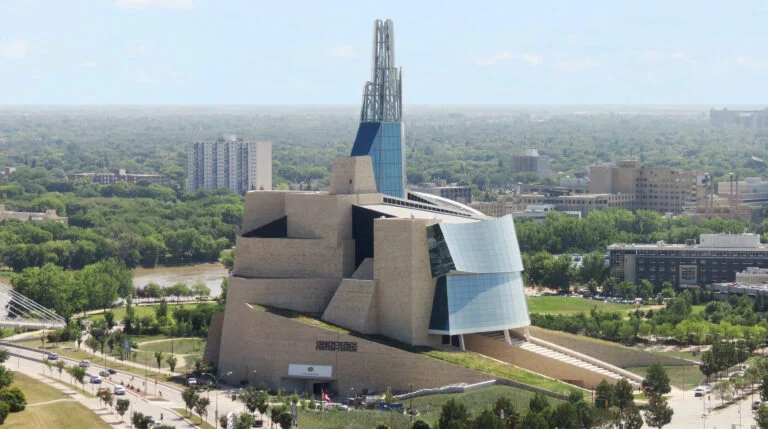
The building housing the Canadian Museum of History occupies a prominent site on the banks of the Ottawa River, facing the Canadian capital city of Ottawa. This waterfront location offers visual access to the cityscape and nearby parliamentary precinct, situating the museum within a symbolic context of nation-building. Architecturally, the museum is notable for its distinctive design that includes sweeping curved forms and indigenous motifs that some visitors may find evocative or representative of Canada’s cultural themes.
The spacious interior allows for large exhibitions and a variety of display formats, ranging from traditional cases to more open gallery spaces. This flexibility aids in curatorial efforts to handle diverse materials, from delicate indigenous art to multimedia installations. Outside the main building, visitors can also explore features such as the Sculpture Garden, which provides access to outdoor art installations and enhances the connection between natural and cultural heritage.
While the museum occupies a major cultural hub area near other federal institutions, its location in Gatineau means visitors crossing from Ottawa will need to plan for the river crossing and local transport options. The museum’s placement, however, encourages a broader regional understanding of Canadian history that unites perspectives from Quebec and Ontario.
Practical Information
For those planning a visit, it is advisable to verify the museum’s current opening times, ticketing procedures, and available services directly through its official sources. Operating hours and admission details can vary depending on seasons and special events. Information about guided tours, group bookings, and accessibility measures should also be confirmed in advance to ensure a smooth visit, especially since museums often update these offerings or apply restrictions in response to changing public health guidelines or operational considerations.
Transport connections are generally facilitated by public transit and visitor infrastructure common to the national capital region, but access specifics may depend on time and service changes. Potential visitors should also look into any temporary exhibitions or special programs that might influence the best times to come.
In general, the museum caters to a wide range of visitors including families, students, researchers, and casual tourists. The exhibition format attempts to balance detailed content with approachable interpretation, though some galleries may demand closer attention to grasp complex cultural or historical themes.
Why Visit
The Canadian Museum of History presents an opportunity to engage thoughtfully with Canadian cultural stories and histories that extend beyond traditional political or military frameworks. It emphasizes human experiences, cultural expressions, and diversity which can appeal strongly to those interested in learning about indigenous cultures and multicultural heritage. The depth of material on First Nations peoples, in particular, establishes it as a key site for understanding foundational aspects of Canada’s identity.
The museum also encourages a reflective experience on the processes of historical memory and storytelling. The variety of collections invites visitors to consider how individual and collective identities form and evolve over time. This focus can enrich a visit beyond surface-level history, providing nuanced perspectives on belonging and heritage.
However, visitors looking for a strictly chronological or event-driven history may find some thematic exhibits more interpretive or broad. In combination with the museum’s size and the range of material presented, planning a focused route or choosing particular galleries can make the visit more manageable.
Overall, the museum is suited for those with an interest in cultural history, anthropology, and indigenous issues. It also fits well into a wider itinerary of Ottawa-Gatineau cultural sites, where history, politics, and culture intersect physically and thematically.
In sum, the Canadian Museum of History functions as both a repository and storyteller of Canada’s diverse past and present. Its collections, combined with its strategic location and architectural character, offer substantial material and interpretative frameworks that make it worthwhile for visitors inclined toward thoughtful cultural exploration. Prospective visitors should consider their own interests and check current visitor information to make the most of their experience.