
Chinas Museum Boom Showcases Rich Heritage and Modern Art, Drawing Global Crowds and National Pride
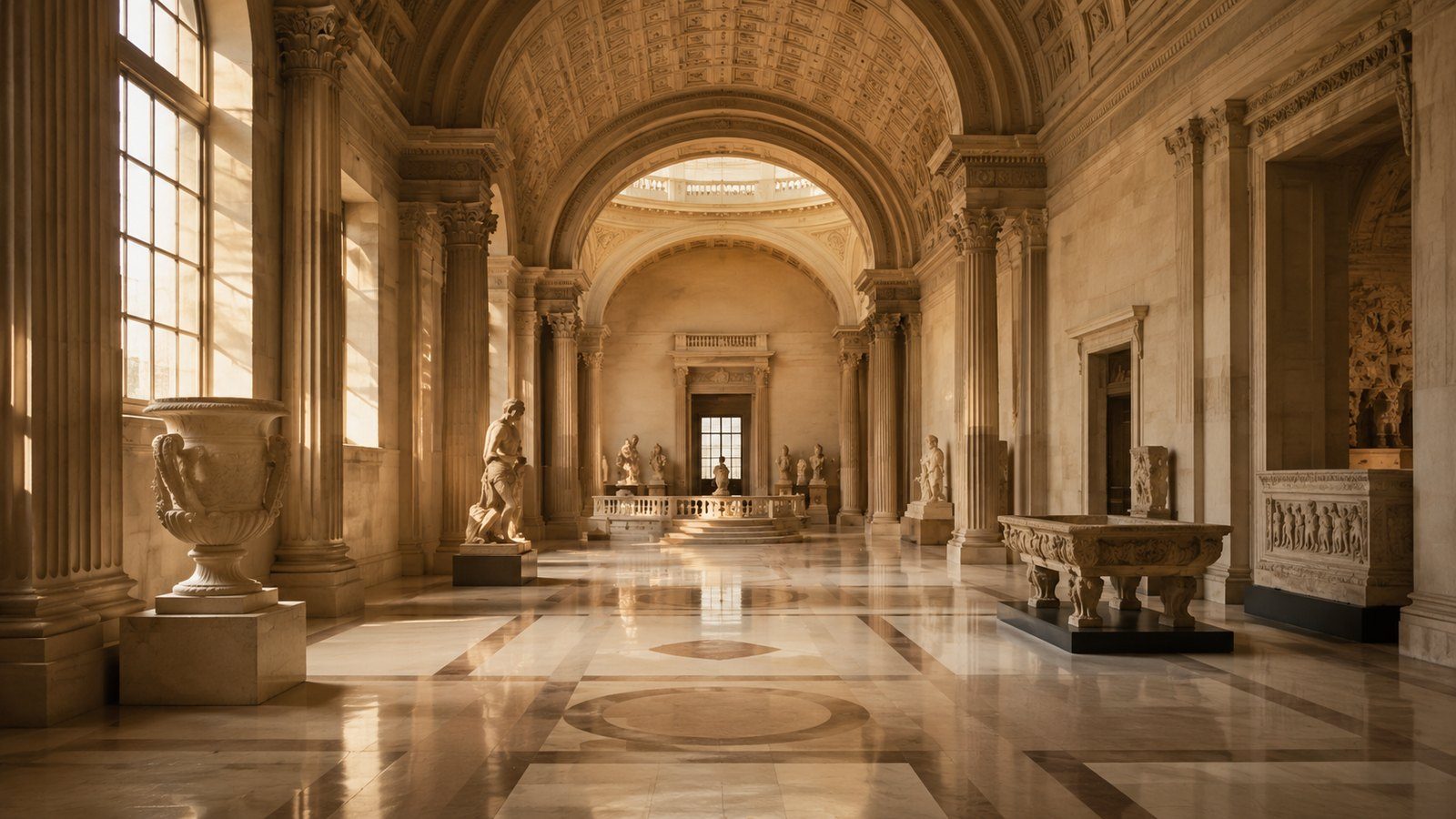
China’s museum scene is experiencing a vibrant renaissance, capturing the attention and admiration of visitors from across the globe. Recent trends show a remarkable surge in museum attendance throughout the country, a reflection of not only China’s deep and diverse cultural heritage but also the growing pride and investment in showcasing that legacy to the world.
Over the past decade, China has poured significant resources into revitalizing its museums, transforming them from often overlooked institutions into dynamic cultural hubs. This transformation has been widely noticed internationally, with both domestic and foreign tourists eager to explore exhibitions that narrate China’s rich history, artistic achievements, and evolving identity. From ancient relics to contemporary art displays, museums have become arenas where tradition and modernity coalesce in compelling ways.
One of the driving forces behind this surge is a clever blend of high-quality exhibits with innovative visitor experiences. Museums are increasingly using state-of-the-art technologies and thoughtful curation to bring artifacts to life. This approach doesn’t just present objects behind glass cases; it invites visitors into immersive journeys through Chinese history and culture. The narrative unfolds through interactive displays and thematic storytelling, making the past accessible and engaging for all ages. The result is a growing appreciation not merely of the artifacts themselves but of the stories and values they embody.
Chinese museums are also playing a crucial role in shaping national identity. They are spaces where cultural patriotism flourishes, reinforcing a collective memory that resonates with the public. As the country asserts itself on the global stage, these museums act as ambassadors of soft power, highlighting achievements and heritage that underscore China’s historical contributions and contemporary vitality. It’s no surprise that many of these venues report record-breaking attendance figures as citizens seek to connect with a shared cultural narrative amid rapid social and economic change.
The interest extends beyond historical museums to include institutions dedicated to contemporary and avant-garde art, reflecting China’s thriving arts scene. Cities like Beijing, Shanghai, and Guangzhou offer world-class art museums that attract international collectors, artists, and enthusiasts. These institutions often serve as platforms for dialogue between Chinese culture and global artistic trends, fostering a dynamic exchange that enriches both sides. It’s an exciting era for art lovers who find themselves at the crossroads of tradition and innovation.
Accessibility has also improved dramatically. Many museums have expanded opening hours, refined services, and embraced digital tools to reach wider audiences. Online exhibitions and virtual tours, for example, have made it easier for those unable to travel to engage with China’s cultural treasures. This hybrid approach is likely to sustain interest and participation well into the future, ensuring that museums remain relevant and vibrant.
China’s museum renaissance exemplifies how cultural heritage can be effectively leveraged to foster education, pride, and tourism, while also contributing meaningfully to global understanding. As museum visits continue to soar, it’s clear that these institutions have become essential cornerstones in the narrative of modern China—places where history, art, and national pride come together to captivate and inspire. For visitors and locals alike, China’s museums represent more than just collections; they are vibrant cultural experiences that reveal the soul of a nation in motion.
Join the discussion
Share a thoughtful museum note, correction, or visitor perspective about this article.