Bavarian National Museum
The Bavarian National Museum in Munich, Germany, is one of the most important museums of decorative arts and cultural history in Europe. It is a museum of broad historical range, but…
Best forMasterpieces, architecture, cultural history
Setting / nearbyEurope
Overview
The Bavarian National Museum in Munich, Germany, is one of the most important museums of decorative arts and cultural history in Europe. It is a museum of broad historical range, but unlike a strictly encyclopedic institution, it retains a very specific character: it is deeply rooted in the artistic, religious, and courtly traditions of Bavaria while still opening out into a wider European history of craftsmanship and collecting. Visitors encounter sculpture, furniture, textiles, ceramics, silver, clocks, nativity scenes, armor, and everyday objects arranged in a way that makes decorative art feel central rather than secondary.
This is one of the museum’s major strengths. Many visitors approach fine art museums expecting painting to dominate and decorative objects to function as supplements. The Bavarian National Museum reverses that hierarchy and shows how material culture can tell history just as effectively as painting or monumental architecture. For anyone interested in the lived texture of European history, it is an exceptionally rich institution.
History
The museum was founded in the nineteenth century under King Maximilian II and developed as a major state institution for the preservation and display of Bavarian cultural heritage. Its formation reflected the broader nineteenth-century interest in national and regional history, but it also had a strong educational dimension. The museum was meant to show how craftsmanship, court culture, religious art, and everyday life together formed a historical tradition worth preserving.
Over time the museum expanded its holdings and moved into the current building on Prinzregentenstrasse. It retained its Bavarian core while broadening into a more complex museum of European decorative arts and cultural history. That layered growth is still visible in the collection today.
Collection Highlights
The collections are remarkably varied. Medieval and baroque sculpture, furniture, porcelain, ivory carving, silver, clocks, textiles, and court objects all play major roles. The museum is especially strong in sculpture and in the presentation of interiors and objects that make earlier centuries feel materially dense rather than abstract. One of its most distinctive strengths is the celebrated collection of nativity scenes, which adds a more regional and devotional dimension to the visit.
Because of this breadth, the museum does more than display luxury objects. It shows how style, religion, aristocratic life, craft, and regional identity overlapped across centuries. The result is a museum where decorative art becomes a central historical language.
Building and Location
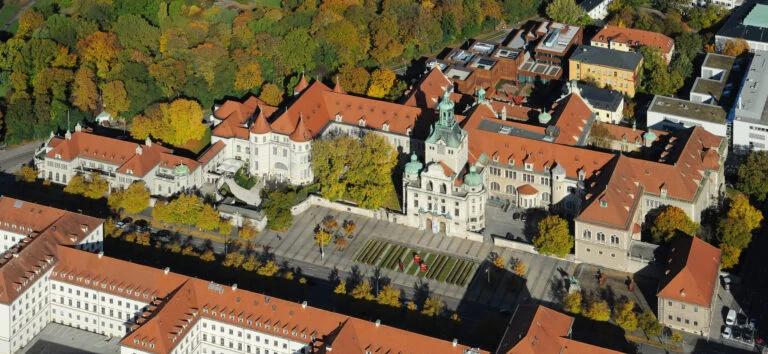
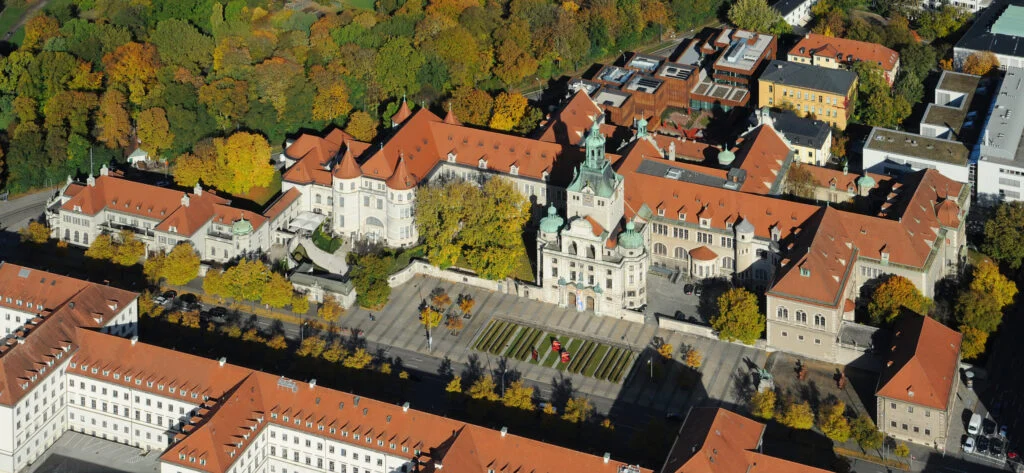
The museum occupies a grand historic building on Prinzregentenstrasse in Munich, and the architecture contributes significantly to the visit. The galleries have the weight and atmosphere expected of a nineteenth-century state museum, yet they generally remain suitable for close object-based viewing. The building gives the collection dignity without turning the museum into a pure architectural spectacle.
Its location also places it comfortably within Munich’s wider cultural landscape, making it a strong museum destination in its own right and a practical part of a longer city itinerary.
Visitor Experience
The visitor experience is rich and rewarding, especially for those willing to move slowly. The museum is not built around quick highlights. Instead, it unfolds through rooms and sequences that invite close attention to craftsmanship, materials, and changes in style. Visitors interested in sculpture, interiors, and decorative arts are especially likely to find it memorable.
Why Visit
The Bavarian National Museum is worth visiting because it offers one of Europe’s strongest museum experiences for decorative arts and cultural history. It turns furniture, sculpture, metalwork, textiles, and devotional objects into a compelling historical narrative. For Munich, it is one of the city’s major museums. For travelers interested in European craftsmanship and court culture, it is an essential visit.
Practical Information
Most visitors should allow around two to three hours for a first visit, with more time useful for those especially interested in sculpture, interiors, or the nativity collection. The museum works especially well for visitors seeking a quieter and more object-focused alternative to larger painting museums. Practical details should be checked before arrival.