Art Institute of Chicago
About: Impressionists are a must. The museum is large but navigable; the map is clear and staff are helpful.What to see: Start with the signature.
Best forMasterpieces, architecture, cultural history
Setting / nearbyMichigan Avenue beside Grant Park, it functions both as a major civic institution and as a
Overview
The Art Institute of Chicago is one of the most respected art museums in the United States and one of the strongest museum visits in North America for anyone interested in moving across many periods, cultures, and media without losing a sense of quality and coherence. Located on Michigan Avenue beside Grant Park, it functions both as a major civic institution and as a museum of international importance. What makes it especially rewarding is that it balances breadth with depth better than many large museums. It has enough range to feel expansive, but it also has particular areas of real distinction that give the visit a clear character.
For many visitors, the museum is best known for its Impressionist and Post-Impressionist paintings, and that reputation is deserved. Yet the Art Institute is not only a museum of famous paintings. It is also strong in American art, decorative arts, architecture-related holdings, modern work, and collections that widen the visit far beyond the most photographed rooms. This gives the institution a richer identity than a simple “masterpiece museum.” A visitor can arrive for Monet or Seurat and leave remembering a sculpture court, an American gallery, a modern room, or an unexpectedly quiet section that felt less crowded and more personal.
One of the museum’s greatest strengths is its ability to satisfy very different kinds of visitors at once. A first-time museum visitor can follow the best-known works and still have an impressive experience. A more experienced visitor can move more selectively and discover that the museum’s real strength lies in how much quality exists beyond the headline pieces. That is an important distinction. The Art Institute does have famous works, but it is strongest when understood as a museum of sustained excellence rather than a single-gallery attraction.
The museum also feels deeply connected to Chicago. It is not just located in the city; it belongs to the city’s cultural identity. Its position near the lakefront, Grant Park, and the central urban core gives it a civic presence that strengthens the visit. The building’s historic authority, combined with later expansions and modern spaces, reflects something of Chicago itself: ambition, seriousness, and a confidence that does not depend on unnecessary show. For that reason, the museum often becomes one of the defining cultural experiences of a visit to the city.
Collection Highlights
The Impressionist and Post-Impressionist galleries are the most obvious highlights and, for many visitors, the emotional centre of the museum. These rooms are among the best in the United States and justify the museum’s international reputation. Paintings by Monet, Renoir, Degas, Van Gogh, Cézanne, and especially Seurat give the museum a concentration of late nineteenth-century strength that can easily carry an entire visit. Yet what makes these galleries especially rewarding is not only the fame of the names. It is the sense of quality across the rooms. The visitor is not moving toward one lone iconic work in a weak context; the surrounding collection remains consistently strong.
Seurat’s *A Sunday on La Grande Jatte* is naturally one of the museum’s defining works. In person, it has a scale, stillness, and structural complexity that reproductions flatten. It is one of those paintings that can genuinely slow a visitor down. But as with many great museums, the most satisfying experience comes when the famous work is allowed to sit within the wider collection rather than replace it. The surrounding Impressionist and Post-Impressionist galleries help the museum feel like an environment of looking, not just a series of stops.
American art is another major strength. These rooms often provide a different rhythm from the French material and are essential to the museum’s identity. They help place the Art Institute not only within an international art-historical story, but within the cultural history of the United States. For many visitors, these galleries are where the museum feels most rooted in its own national context. This side of the collection broadens the visit and prevents the institution from being reduced to a European painting museum on American soil.
The museum’s decorative arts and design holdings also deserve real attention. Furniture, interiors, crafted objects, and material culture give the museum much of its richness. These sections can be particularly rewarding because they widen the understanding of art beyond painting and sculpture. In the Art Institute, they help create a fuller picture of how beauty, function, domestic life, and design history intersect. Visitors who only chase the most famous paintings can miss some of the museum’s most distinctive pleasures here.
Modern and contemporary sections add another layer, giving the museum a wider chronological reach and helping connect older masterpieces to later developments. Depending on the route you take, these rooms can act as contrast, challenge, or relief after the more canonical galleries. That variation is part of the museum’s strength. It rarely feels trapped in one period or one visual language.
Building and Setting
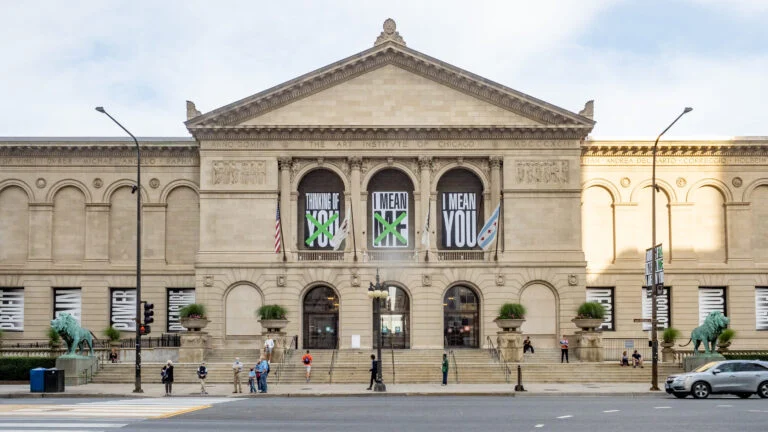
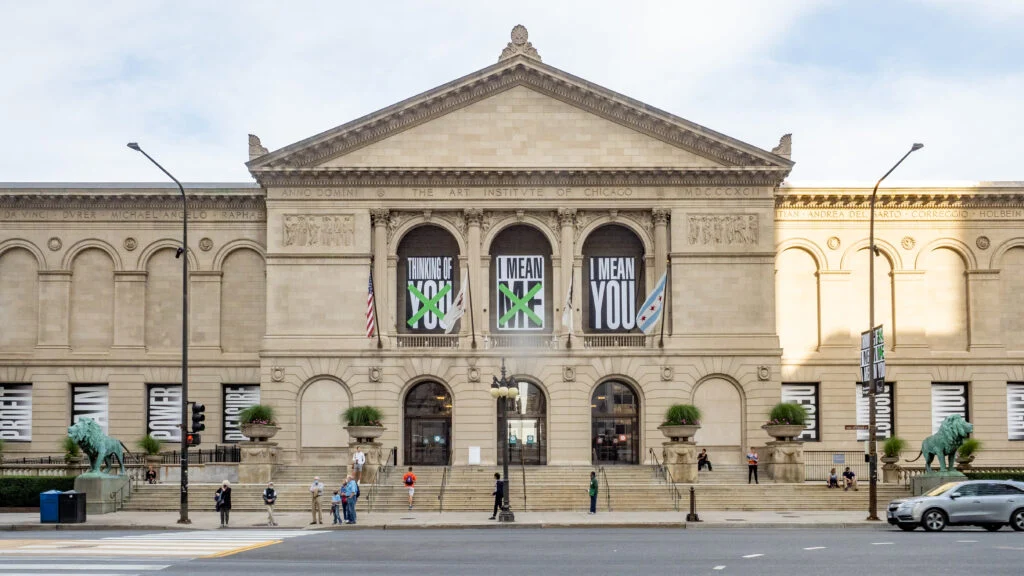
The museum building contributes strongly to the experience. The historic main structure has the authority one expects from a major city museum, and the famous lion sculptures outside have become part of Chicago’s visual identity. Yet the museum is not defined only by historic grandeur. Later additions and newer spaces help the institution feel open and functional rather than frozen in ceremonial formality. This balance works well. The museum feels major without becoming intimidating.
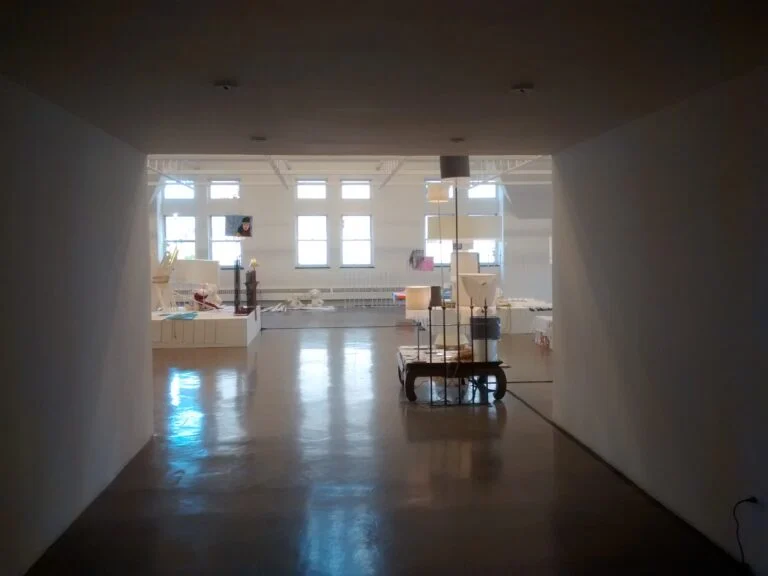
Inside, the building offers a variety of spatial moods. Some rooms feel traditional and richly museum-like, while others feel more modern and open. This gives the visit a useful rhythm. Large museums can become tiring when every room feels the same, but the Art Institute generally avoids that. The visitor moves between different scales and atmospheres, and that helps sustain attention across a long visit.
Its setting along Michigan Avenue and beside Grant Park adds another important layer. The museum feels central, civic, and fully part of Chicago’s cultural landscape. It is easy to combine with a broader day in the city, but it is also strong enough to justify being the main destination. That sense of civic centrality matters. It reinforces the institution’s role not only as a museum of collections, but as a major public landmark.
Practical Information
The Art Institute is best visited with a plan, even though it is more manageable than some of the world’s largest encyclopedic museums. A very effective approach is to begin with the Impressionist and Post-Impressionist galleries if those are your highest priority, then choose one quieter or less famous area to explore more deeply. This gives the visit both an obvious anchor and a more personal dimension.
The museum rewards pacing. It is easy to spend a long time here, and visual fatigue can set in if you move too quickly from highlight to highlight. Taking breaks is worthwhile, especially because the museum has enough variation in collection and space that different sections can act as resets for one another. A shorter, more attentive visit is often better than trying to absorb everything at once.
Visitors interested in architecture, design, or American art should not let the Impressionist reputation dominate their route too completely. Some of the museum’s most satisfying surprises lie outside the best-known rooms. The map is worth using, but so is leaving space for a little wandering once the main priorities are covered.
Why Visit
The Art Institute of Chicago is best for art lovers, first-time visitors to Chicago, and anyone building a city itinerary around major cultural institutions. Its greatest strength is the balance it achieves: major masterpieces, broad collections, a strong civic presence, and enough depth beyond the famous works to reward serious attention.
What makes it worth prioritising is that it offers both immediate appeal and lasting substance. The museum can satisfy a visitor who wants to see the best-known paintings, but it can also satisfy one who wants a fuller experience of art across periods and media. Few museums in the United States combine those strengths so comfortably.
For many visitors, the Art Institute becomes one of the essential experiences of Chicago because it reflects the city’s larger cultural confidence. It is refined without feeling distant, major without feeling chaotic, and rich enough that every visit can take a different shape. That is a rare quality, and it is why the museum remains one of the strongest art institutions in the country.