Deutsches Historisches Museum
Berlin, Germany. The Deutsches Historisches Museum in Berlin focuses on German history from its earliest periods to the present day. Its mission is to explore the complexities, conflicts, and connections of Germany’s past without reducing events…
Best forMuseum lovers, culture travelers, first-time visitors
Setting / nearbyBerlin, Germany
Overview
The Deutsches Historisches Museum in Berlin focuses on German history from its earliest periods to the present day. Its mission is to explore the complexities, conflicts, and connections of Germany’s past without reducing events to oversimplified narratives. The museum attempts to present history through multiple perspectives, resisting straightforward nationalistic or celebratory approaches often found in history museums. The main displays trace political, social, cultural, and economic developments, inviting visitors to consider how German history fits into broader European and global contexts.
Collection Highlights
The museum’s core collection covers over two thousand years, from the early Middle Ages to the post-World War II period and reunification. A substantial portion of the exhibits addresses major turning points such as the Reformation, the Thirty Years’ War, the rise and fall of the German Empire, the Weimar Republic, Nazi Germany, and the division and reunification of Germany.
Medieval objects include religious art and illuminated manuscripts that document the Christianization of the German lands. Visitors find artifacts related to the Holy Roman Empire, including arms and armor, and early coinage. The Baroque and Enlightenment periods receive attention through paintings, prints, and documents illustrating shifts in culture and politics.
One section focuses on the 19th century, examining industrialization, the unification of Germany under Prussian leadership, and social changes, including working-class movements. Objects range from early electrical devices to political pamphlets originating in this era.
There is also a strong emphasis on the two World Wars. Military equipment, soldiers’ uniforms, and propaganda materials provide context, but the museum also includes civilian experiences, such as ration cards and personal letters. Postwar narratives place emphasis on dividing lines between East and West Germany, demonstrated through everyday objects, official documents, and film clips.
The museum collects portraits and personal belongings of key historical figures alongside anonymous individuals, giving a broad spectrum of voices. Historic photographs and maps support the narratives by visualizing changes in territory and society.
Building and Setting
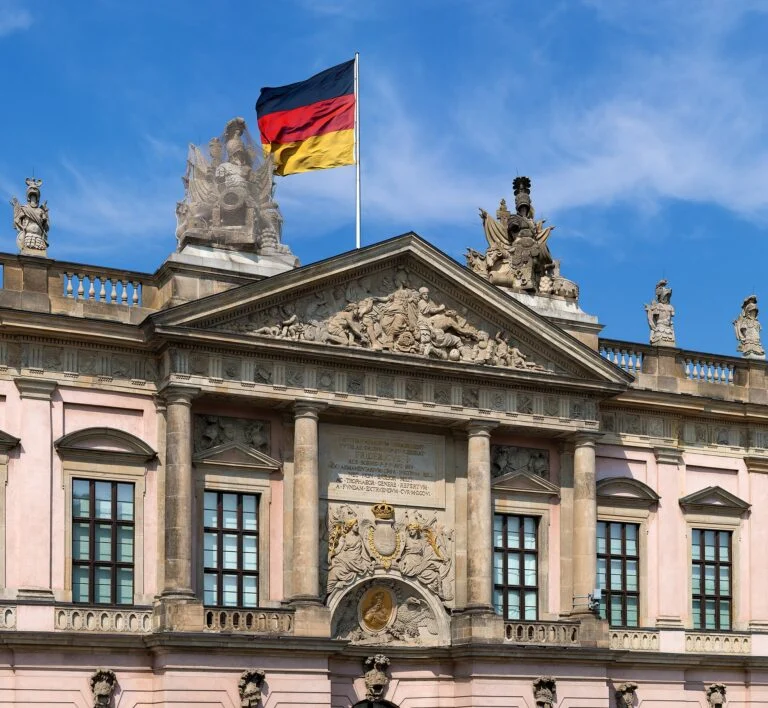
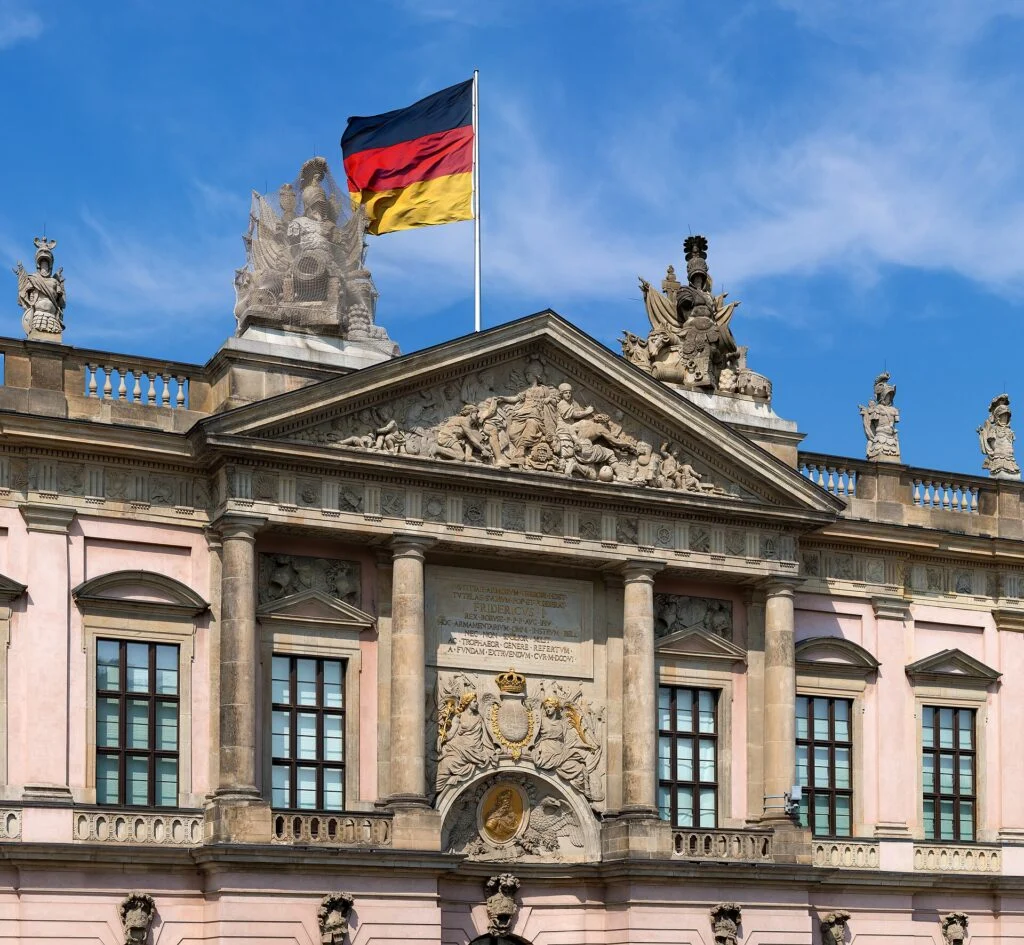
The Deutsches Historisches Museum is housed in the Zeughaus (Armory) on Unter den Linden, one of Berlin’s oldest surviving buildings. The Zeughaus dates back to the late 17th century and was originally a military arsenal. Later, it served various official functions before becoming the home of the museum in the 20th century. Its baroque façade contrasts with a modern extension designed by architect I. M. Pei, which connects the classical structure to contemporary museum standards such as climate control and accessibility.
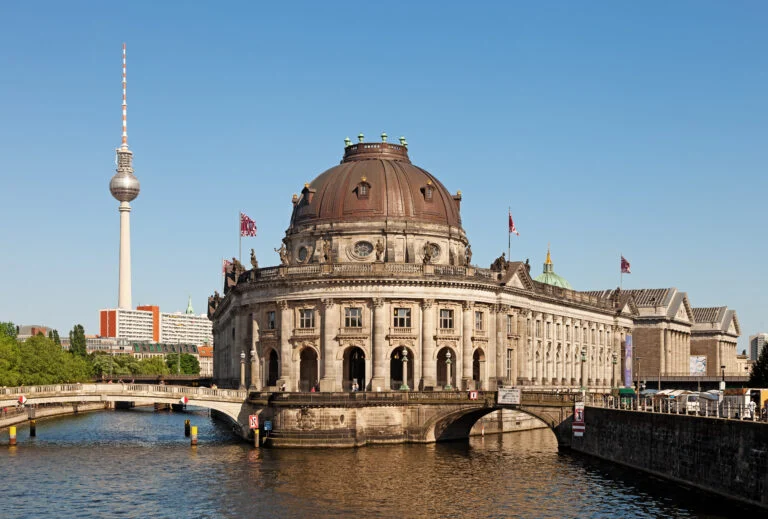
Situated in Berlin’s historic center, the museum neighbors landmarks like the Brandenburg Gate and Museum Island. This location places it amid the old political and cultural heart of the city, close to the government quarter and other institutions related to German history.
Practical Information
Visitors should consult the museum’s official website before planning a trip for up-to-date information on opening hours, admission fees, guided tours, and access options. The museum typically requires an entry ticket. Group visits and educational programs appear to be organized in advance. Since the Zeughaus is a historic building with modern upgrades, accessibility options may be partially adapted but should be confirmed in advance.
Why Visit
This museum offers detailed and thoughtfully curated insight into German history without resorting to overly simplified or celebratory versions of the past. It emphasizes both political events and the daily lives of people who lived through them. Those interested in understanding Germany’s complex legacy up to and beyond the 20th century will find extensive material here.
The museum’s location in the Zeughaus enriches the experience by placing visitors in a building that itself represents over three centuries of history. The juxtaposition of old and new architecture mirrors the museum’s balance between tradition and updated historical interpretation.
However, the museum’s chronological and topic-based approach can sometimes feel dense, especially for visitors without prior knowledge of German history. Exhibits rarely focus on immersive or interactive elements, sticking more to documents, objects, and images. Visitors looking for a more narrative-driven or multimedia-heavy presentation might find it less engaging.
Still, the museum’s strength lies in its straightforward presentation of a politically and culturally complicated story. It is useful for those who want to explore German history in a nuanced way, with evidence that invites reflection rather than quick conclusions.