Bob Marley Museum Review
Kingston, Jamaica. The Bob Marley Museum in Kingston stands as a focused testament to a figure whose influence reaches far beyond music. Unlike institutions that explore broader cultural or musical histories, this museum dedicates itself exclusively…
Kingston, Jamaica. The Bob Marley Museum in Kingston stands as a focused testament to a figure whose influence reaches far beyond music. Unlike institutions that explore broader cultural or musical histories, this museum dedicates itself exclusively…
Best forMuseum lovers, culture travelers, first-time visitors
Review focusCollections, visitor experience, and practical planning
Why This Museum Matters
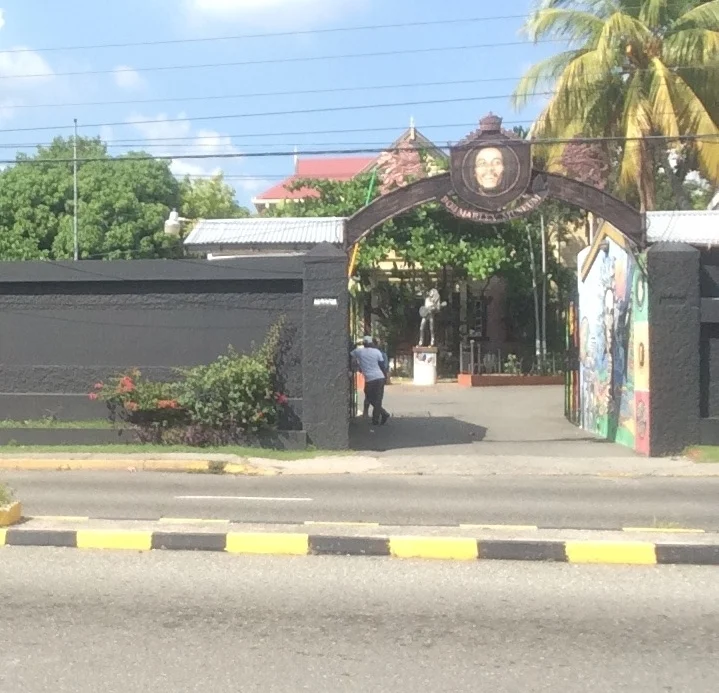
The Bob Marley Museum in Kingston stands as a focused testament to a figure whose influence reaches far beyond music. Unlike institutions that explore broader cultural or musical histories, this museum dedicates itself exclusively to the life and legacy of Bob Marley, arguably the single most famous ambassador of reggae music and a powerful voice for social and political change. What makes the museum particularly meaningful is its precise geographical and historical context: it occupies Marley’s former residence and recording studio on Hope Road, which grounds the experience in the physical space where much of his creative output took shape. This proximity to the artist’s lived environment offers a depth of authenticity that few other music museums can replicate.
Marley’s significance lies not only in his global musical impact but in his role as a spokesperson for Jamaica and the Rastafari movement during a period of intense political upheaval and social change. The museum’s focused narrative reflects this dual legacy—highlighting Marley as both a creative genius and a voice of conscience. Its specialization makes it more than a fan shrine or a music museum with a single theme; it acts as a concentrated repository of the artist’s personal history, political beliefs, and cultural significance, all framed within the context of 1970s and 1980s Jamaica.
The Collection in Focus
The museum’s collection centers heavily on personal artifacts that belonged to Marley, including clothing, awards, handwritten lyrics, and instruments. These tangible remnants function as intimate entry points into the man’s story, allowing visitors to confront the physical traces of his life and career. For example, several guitars and sound equipment used during recording sessions remain on display, linking the creative process to the place itself. These items serve not only as memorabilia but also as historical artifacts that reveal aspects of Marley’s working methods and musical evolution.
Additional focus lies on photographs and archival footage, which provide valuable documentary evidence of Marley’s public and private life. Images of concerts, political demonstrations, and family moments help construct a nuanced portrait of Marley as both an artist and an individual shaped by his environment. The inclusion of awards and international recognitions also illuminates the global reach of his music and message.
One limitation of the collection is its inherent narrowness. Because it centers so firmly on one individual, it leaves little room for broader contextual exploration—such as detailed histories of reggae’s development or the wider musical scene in Jamaica. However, this narrowness is also a strength, as it allows a singular focus and depth of detail rarely possible in more generalized music museums.
How the Story Is Told
The narrative unfolds predominantly through the layout of the house itself, supplemented by explanatory texts and multimedia displays. The preservation of Marley's living quarters and the original recording studio creates a strong chronological thread, tracing his life from early beginnings through international stardom and his premature death in 1981. This domestic framing adds a personal dimension uncommon in music museums, often dominated by large-scale concert or urban histories.
Interpretative panels and audiovisual materials provide context without overwhelming visitors with excessive academic language or peripheral details. They spotlight key moments—such as Marley's attempts to mediate political conflict in Jamaica or his embrace of Rastafarian ideals—and clarify how these shaped his music and public persona. The museum occasionally ventures into politically charged themes, notably Marley’s role in promoting peace during Jamaica’s turbulent 1970s, adding depth beyond mere celebrity worship.
A potential drawback is that the approach may feel uneven for audiences unfamiliar with Jamaica’s political and cultural context. The museum assumes a baseline understanding of the era’s tensions and the Rastafari movement, which might require additional background reading for some. Unlike institutions with extensive interpretive layers crafted for international visitors, this museum opts for a more straightforward, site-based storytelling that embraces its authenticity over comprehensive contextualization.
The Visitor Experience
The museum’s setting in a residential building rather than a conventional gallery space creates an informal atmosphere. This can be appealing for visitors interested in a more intimate and focused experience rather than an expansive institution. Being housed in Marley’s actual home places visitors close to the environment where the artist’s creativity and daily life coexisted, which is a rare benefit.
Physical access within the museum is straightforward, as the house’s rooms are modest in scale and clearly arranged. The recorded music and video elements provide a soundtrack and visual accompaniment, enriching the experience without overwhelming the domestic setting. However, the museum’s size means it can only accommodate a limited number of visitors at once, which may affect crowding during peak times.
Practical visitor services like ticketing and visitor flow reportedly operate with care due to this intimate scale, but detailed information on amenities such as wheelchair access, detailed visitor aids, or educational programs is not widely documented. Prospective visitors are advised to verify operational details on the official website before planning a visit.
Who Will Enjoy It Most
The Bob Marley Museum caters primarily to those already interested in Bob Marley as an individual figure rather than casual or comparative audiences exploring reggae music more broadly. Fans of Marley’s work, scholars of popular music, and those interested in Jamaica’s cultural history will find substantial value in the focus and detail offered. Its intimate scale and narrow scope mean that visitors looking for broad music history or a wider panorama of Jamaican culture and Rastafari may need additional resources to fill out the context.
Musicians and music historians may appreciate the insights offered by original studio spaces and the instruments on display. At the same time, the museum’s political contextualization, though not exhaustive, makes it a meaningful site for readers of political history and social movements who want to understand how Marley’s music intersected with the broader struggles in Jamaica.
The museum will be less engaging for visitors expecting a fully accessible, large-scale national museum experience or one with extensive interpretive technology. Its intimate scale and focus reward those willing to step away from larger, more polished institutions and engage with a carefully preserved personal narrative.
Planning the Visit
The museum is located in Kingston on Hope Road, which remains a significant cultural corridor in the city. Kingston itself is the heart of Jamaica’s modern music history, making this site a logical destination for anyone interested in the island’s musical legacy. Travel to the museum should be planned with some caution; prospective visitors should check the official website for current opening hours, admission policies, and any guidance on tours or group sizes.
Given the size of the museum, visit duration will be about one to two hours, depending on how much time is spent with the audiovisual materials and personal artifacts. Crowding can occasionally be a factor due to the museum’s popularity, so timing visits for less busy periods might result in a more comfortable experience.
Kingston’s urban environment and history add layers of meaning but may require visitors to have or seek some familiarity with the city’s geography and culture. The museum does not appear to provide extensive additional facilities like cafes or shops within the property, so planning for essentials beforehand is sensible.
Editorial Verdict
The Bob Marley Museum in Kingston deserves attention as a concentrated, richly detailed look at the life and legacy of one of music’s most influential figures, anchored in the very space where much of his creative work occurred. Its strict focus deepens understanding of Marley not simply as a cultural icon but as a man shaped by and responsive to his environment. The direct material connection to the artist’s home and studio offers a dimension of intimacy not replicated in larger, less focused music museums.
While this narrowness limits broader contextualization of reggae or Jamaican history, the trade-off results in a deeply personal and authentic experience. The museum’s straightforward storytelling and modest scale suit visitors drawn specifically to Marley’s biography, political engagement, and artistic output. Practical details about visitor access and services require confirmation in advance, as the museum operates within the constraints of a residential property.
Ultimately, the Bob Marley Museum’s value lies in that singular focus and the tangible links it preserves to a global figure whose importance cannot be separated from his origins. It is a place where Bob Marley’s story remains immediate, grounded, and distinct from the myth.