History Museum of Bosnia and Herzegovina
History Museums · Sarajevo, Bosnia and Herzegovina. The History Museum of Bosnia and Herzegovina in Sarajevo occupies a distinct position as a national museum dedicated to chronicling the complex historical narrative of the country from prehistoric times to the modern era.…
Best forHistory lovers, cultural travelers, local heritage
Setting / nearbySarajevo, Bosnia and Herzegovina
Overview
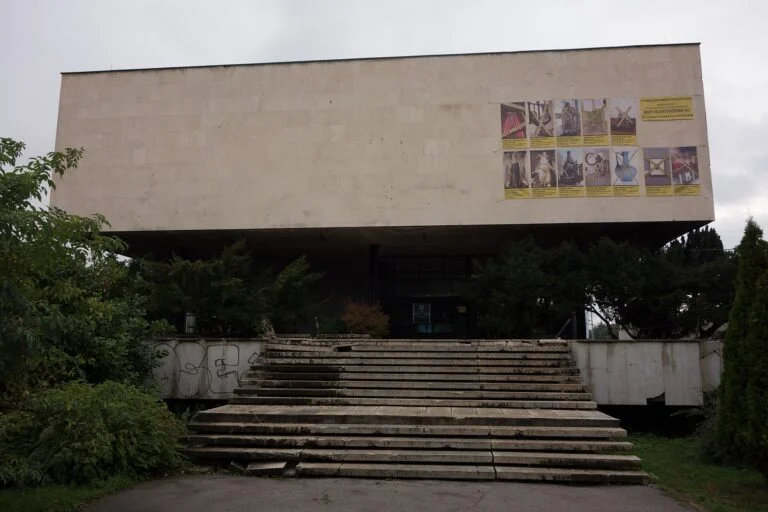
The History Museum of Bosnia and Herzegovina in Sarajevo occupies a distinct position as a national museum dedicated to chronicling the complex historical narrative of the country from prehistoric times to the modern era. Unlike broad national history museums that may spread their focus internationally, this institution concentrates tightly on Bosnia and Herzegovina’s local past, presenting layers of history as they pertain specifically to the people, cultures, and conflicts of this part of the Balkans. Its role extends beyond simple historical recounting; the museum reflects the region’s diverse heritage and the many cultural and political changes it has undergone, especially those of the 20th century.
Collection Highlights
The museum’s collections encompass archaeological findings, ethnographic materials, medieval artefacts, and documents related to the 19th and 20th centuries, placing special emphasis on the turbulent 20th century history of the area. Among the archaeological items are objects from the Neolithic period through the Roman era, evidencing ancient settlements across Bosnia and Herzegovina. The medieval section often includes items from the Bosnian Kingdom, such as coins, weaponry, and religious artefacts that help illustrate the political and social structures of the era.
One of the most telling segments of the collection centers on the Austro-Hungarian period and the lead-up to World War I. This phase of history is represented in documents and personal items that help trace the shifting powers and the socio-political tensions in the region. The assassination of Archduke Franz Ferdinand in Sarajevo, an event with huge global consequences, connects closely to these years. Moving into the 20th century, the museum addresses the period of the Kingdom of Yugoslavia between the world wars, the experience under socialist Yugoslavia, and the war of the 1990s. Artefacts include military uniforms, weapons, photographs, maps, and personal testimony recordings, offering insight into the lived realities of conflict and resistance.
Ethnographic objects, including traditional costumes, tools, and household items, provide a tangible sense of the cultural diversity that characterizes Bosnia and Herzegovina’s population. These help in understanding the everyday lives of various ethnic groups and how their livelihoods and customs have evolved or endured through historical pressures and changes.
Building and Setting
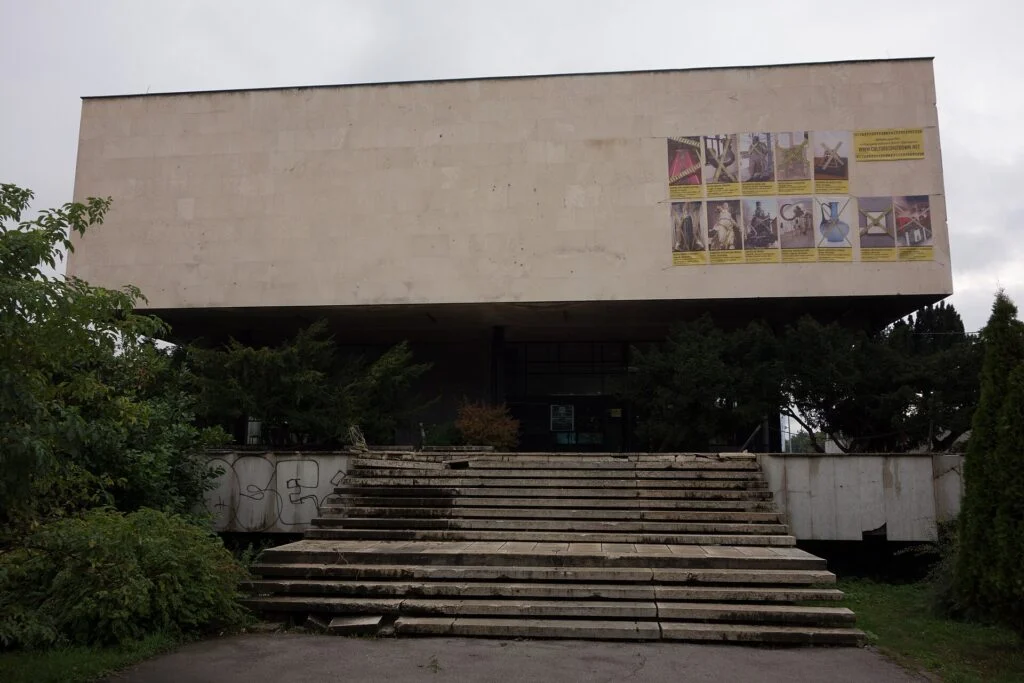
The museum is housed in a building that dates from the Austro-Hungarian period. This architectural context itself speaks to the layers of Sarajevo’s history. Although not on a large scale, the museum building has a presence that connects directly to the era that forms a significant chapter in the country’s story. Located in Sarajevo, it sits within a city that occupies a geographical and historical crossroads, which has influenced its development and character over the centuries. The area surrounding the museum includes other historical landmarks, making it conveniently placed for visitors interested in the broader urban history of the city. The museum’s layout is organized to guide visitors through a chronological journey, helping to ground the historical narrative in specific locations within the building.
Practical Information
For up-to-date information on opening hours, admission fees, accessibility features, and guided tours, checking the official website is advisable. As with many museums in older buildings, some spaces may be more accessible than others, but the museum’s staff can provide details on this ahead of a visit. Readers planning a visit should confirm all specifics directly, as hours and services can change due to seasonal adjustments or other operational reasons.
Why Visit
This museum provides detailed insight into the historical currents that have shaped Bosnia and Herzegovina, especially in the 20th century. Its strength lies in the focused timeline of the collection, particularly the extensive documentation of the country’s more recent and complicated past, which might be less familiar to international audiences. The range of material culture, from ancient archaeological finds to photographs and war-time documents, offers a layered understanding of the people and events that have defined the region.
Visitors looking for general European history might find the museum’s scope narrow, but anyone interested in Southeastern Europe’s dynamics or the history of Yugoslavia and its successor states will find ample material. The museum does not shy away from difficult topics, including conflict and ethnic tensions, which are central to understanding contemporary Bosnia and Herzegovina.
Compared to larger institutions that might include more international content or larger collections, this museum’s strength is its concentration on Bosnian historical experience. It provides a solid framework for understanding how historical events have had a distinct local impact, which can complement broader studies of European history.
For those researching or studying the Balkans, or looking to deepen their knowledge of the region beyond broad political summaries, the History Museum of Bosnia and Herzegovina presents a clear, detailed account supported by artefacts and documents on-site. Checking the official site before planning a visit is sensible to confirm what exhibitions and facilities are currently available.