Gallo-Roman Museum Review
Tongeren, Belgium. The Gallo-Roman Museum in Tongeren, Belgium, presents itself unmistakably as a dedicated centre for exploring the Roman period in this region, which was a significant frontier zone of the Roman Empire. Its identity is…
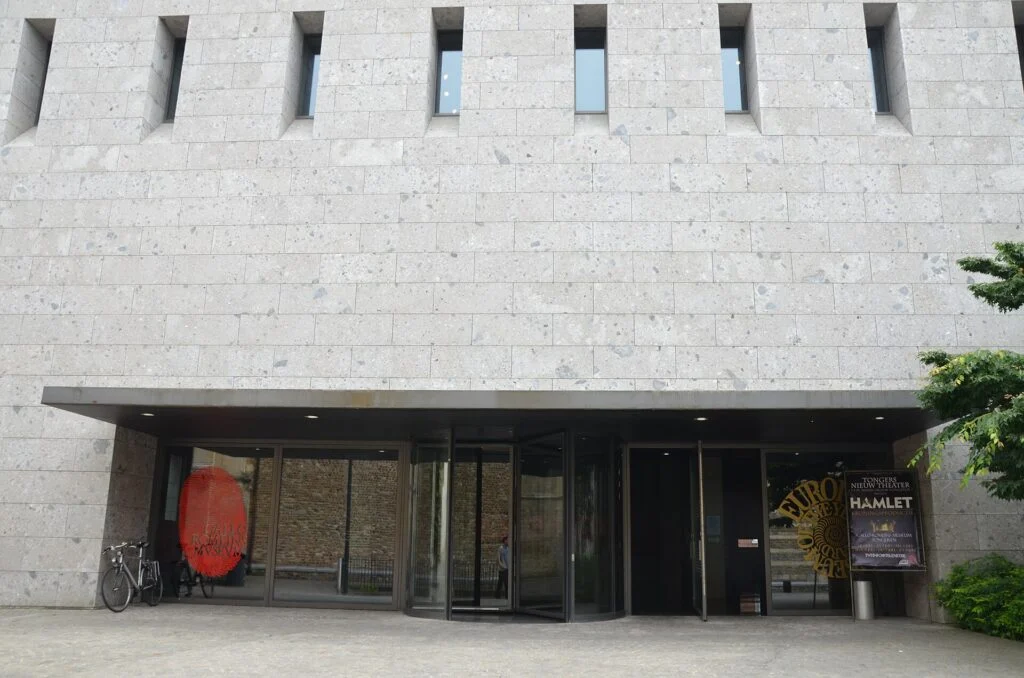
Tongeren, Belgium. The Gallo-Roman Museum in Tongeren, Belgium, presents itself unmistakably as a dedicated centre for exploring the Roman period in this region, which was a significant frontier zone of the Roman Empire. Its identity is…
Best forMuseum lovers, culture travelers, first-time visitors
Review focusCollections, visitor experience, and practical planning
A Museum with a Clear Point of View
The Gallo-Roman Museum in Tongeren, Belgium, presents itself unmistakably as a dedicated centre for exploring the Roman period in this region, which was a significant frontier zone of the Roman Empire. Its identity is anchored firmly within the historical and archaeological narrative of Tongeren, understood as the oldest town in Belgium and originally a Roman administrative and military hub. This focus translates into a museum experience that prioritises in-depth exploration of Gallo-Roman civilisation’s local manifestations through material culture, rather than a broader survey of Roman history or art.
The museum’s perspective clearly aligns with archaeological scholarship and local heritage, striving to connect visitors directly to the Roman past as experienced in this specific corner of Gaul. This approach distinguishes it from more generalized Roman museums. By emphasizing archaeological finds alongside interpretive reconstructions, the Gallo-Roman Museum shapes itself primarily as a site of tangible historical evidence and scientific display, seeking to educate visitors on the everyday realities and material conditions of Roman provincial life.
What Defines the Collection
At its core, the Gallo-Roman Museum’s collection is marked by its archaeological richness, featuring objects recovered from Tongeren and its immediate environs. The assemblage benefits from the region’s deep stratigraphy, which has yielded a range of artefacts from the pre-Roman to Roman periods, stretching into early medieval times. Key objects include ceramics, metalwork, inscriptions, funerary monuments, coins, and items associated with domestic and military life.
The collection shines in its breadth of everyday artefacts that illustrate the Roman presence in the area—not just elite art, but also common tools and household goods. This focus lends a particularly grounded feel to the museum’s holdings. It also holds some impressive large-scale architectural relics, especially funerary stèles and altar pieces, which provide tangible contact with Roman stone carving traditions in the provinces.
One of the collection’s defining elements is its numismatic holdings, offering a detailed coinage history that traces the economic and political evolution of the region. The museum’s extensive ceramic collection likewise charts shifts in pottery styles and production techniques, an important resource for understanding trade and cultural contacts.
Standout Galleries and Themes
The exhibition layout follows a mainly chronological trajectory, but it is also thematic in parts, offering targeted insights into specific aspects of Gallo-Roman life. Key themes addressed include urban development, funerary practices, religious beliefs, and military presence.
The city’s transformation from a Celtic settlement into a Roman imperial centre features prominently, with maps, models, and architectural fragments helping to reconstruct Tongeren’s urban fabric. Funerary customs receive substantial attention with a large gallery devoted to funerary monuments and epitaphs, revealing local customs as well as wider Roman influences. The depiction of religious practices includes representations of both pagan cults and the slow fade of such beliefs as Christianity began its early spread.
Military themes underline Tongeren’s function as a Roman frontier town, with displays of weaponry and fortification remains illuminating the garrison presence and defensive strategies. These areas benefit from careful curation that avoids over-romanticisation, focusing instead on factual archaeological contexts.
The museum also brings attention to the everyday lives of inhabitants through artefacts related to food, clothing, and domestic environments. This approach helps visitors grasp the social realities beyond imperial politics and monumental architecture.
Pacing, Interpretation, and Atmosphere
The Gallo-Roman Museum’s layout is relatively straightforward, designed to discourage visitor fatigue while still covering complex material. The galleries progress in a logical order, yet the pace can feel measured rather than brisk, partly due to concentrated text panels and dense object displays. The atmosphere is quiet and reflective, with modest interior design that avoids flashy effects in favour of clarity and accessibility.
Interpretation generally strives for balance, using bilingual (French and Dutch) text panels that provide historical context alongside archaeological detail. The museum favors clear, precise language focused on explaining what objects are, when and where they were found, and why they matter. However, this style may present a steeper learning curve for casual visitors unfamiliar with archaeological terminology or Roman history.
Visual aids like reconstructions and maps help break up the text and support understanding. Photographs and site illustrations offer valuable context, but they tend to complement rather than dominate the galleries. The lack of interactive technology means the experience relies heavily on visitor engagement with physical objects and explanatory text.
While the atmosphere is generally calm and scholarly, it can at times feel subdued, lacking vibrant elements that could attract a more diverse audience. However, for visitors with a serious interest in archaeology or local history, the museum offers a focused and rewarding space.
Strengths and Limitations
One of the museum’s chief strengths lies in its regional specificity. By concentrating on the Gallo-Roman heritage of Tongeren and its surroundings, it avoids the pitfalls of generic Roman-themed institutions that attempt to cover the entire empire. This sharp regional focus allows for detailed treatment of the archaeological record and tangible engagement with local history.
The quality and preservation of artefacts, particularly funerary monuments and inscriptions, stand out as exceptional features. Visitors can see original objects that are seldom exhibited with such meticulous care in other museums concerned with the Roman provinces. The numismatic collection is another highlight, offering scholarly insight into economic history within the same site.
On the interpretive side, the museum maintains a respectable degree of analytical rigour, steering clear of razzle-dazzle explanations or ungrounded speculation. This approach clearly targets visitors with some prior interest or knowledge of archaeology, although it can challenge those looking for lighter and quicker cultural outings.
Among limitations, the museum does not significantly diversify its media or interpretative formats. The reliance on static displays and printed panels may not fully meet the expectations of visitors used to multimedia or interactive presentations in contemporary museum environments. The atmosphere, while serene, is not particularly dynamic, which potentially narrows the appeal among families and casual tourists.
Moreover, the absence of detailed practical visitor information here calls for careful pre-visit planning. Prospective visitors should verify current accessibility, ticketing, and visiting conditions through the museum’s official channels, as details may vary seasonally or with special events.
Before You Go
Considering its focus and content, the Gallo-Roman Museum best suits those with some grounding or genuine curiosity in archaeology, Roman history, or Belgian heritage. Academic or specialist visitors interested in provincial Roman life will find much to study and appreciate.
Visitors should be prepared for a quiet, contemplative environment rather than a bustling, interactive attraction. The museum’s bilingual textual material means some language flexibility aids comprehension, especially given the absence of extensive audio guides or digital supplements.
Since the museum’s practical arrangements are not detailed in this review, a proactive approach is advisable. Check the official museum website or contact local tourist information prior to visiting to confirm opening times, ticketing policies, and any available guided tours or educational programming.
Final Assessment
The Gallo-Roman Museum in Tongeren offers a focused and substantive experience centered on the archaeological record of a Roman provincial town that played an important role in the empire’s northern territories. Its collection solidly represents the period’s material culture, with highlights such as funerary monuments, inscriptions, coins, and domestic artefacts contributing to a cogent portrayal of Gallo-Roman life.
The museum’s strengths lie in its detailed regional emphasis and scholarly clarity, which provide a valuable resource for serious students of the ancient world. It is less well suited to casual visitors expecting interactive displays or broadly introductory content about Roman history in general. Although somewhat modest in museological innovation, it provides a sincere and educational experience for those willing to engage deeply.
Given its clear point of view and concentration on archaeological evidence from Tongeren itself, the Gallo-Roman Museum stands as an important institution for understanding the local heritage of Roman Belgium. Its atmosphere, interpretation style, and collection quality reflect well on the institution’s mission, albeit within a framework that demands patient attention from its audience. Prospective visitors with interest in the specific historic and cultural context will find the museum a worthwhile destination, though it is wise to plan ahead and ensure it meets individual interests and expectations before travel.