Tower of David Museum Review
Jerusalem, Israel. The Tower of David Museum is situated within the ancient citadel close to Jerusalem’s Old City walls, a site rich with historical layering and strategic importance. The citadel, also known as the Jerusalem Citadel,…
Jerusalem, Israel. The Tower of David Museum is situated within the ancient citadel close to Jerusalem’s Old City walls, a site rich with historical layering and strategic importance. The citadel, also known as the Jerusalem Citadel,…
Best forMuseum lovers, culture travelers, first-time visitors
Review focusCollections, visitor experience, and practical planning
Historical Context
The Tower of David Museum is situated within the ancient citadel close to Jerusalem’s Old City walls, a site rich with historical layering and strategic importance. The citadel, also known as the Jerusalem Citadel, has origins stretching back to the 2nd century BCE, although most of the visible fortifications were constructed or significantly altered during the Ottoman period, particularly under Sultan Suleiman the Magnificent in the 16th century. This fortress has witnessed numerous episodes pivotal to Jerusalem’s long-standing history, from the Hasmonean and Herodian periods through the Roman, Byzantine, Crusader, Mamluk, and Ottoman eras.
The museum itself was established to present this deeply complex history, focusing on the city’s urban evolution and the multiple cultures that have shaped Jerusalem. By situating the museum within the citadel’s defensive walls, the curators effectively integrate the archaeology and architecture of the site with the story it tells. This location anchors the museum’s narrative in the physical reality of Jerusalem’s ancient past, reinforcing the continuity of settlement even as political and social circumstances evolved over millennia. The Tower of David Museum operates as a cultural institution aimed at a diverse international audience, including visitors interested in archaeology, religious history, and cultural heritage.
What You See on Arrival
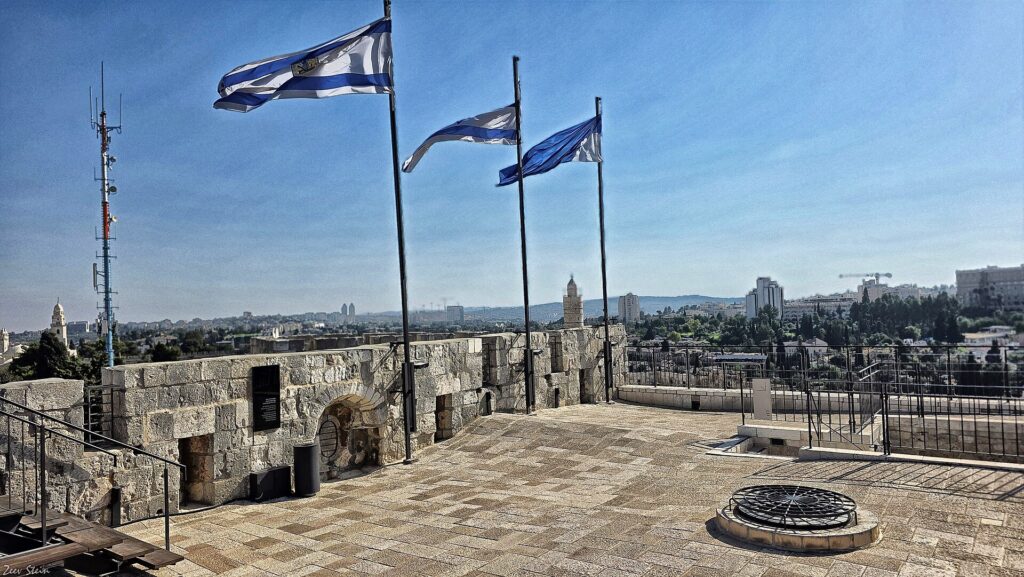
Upon approaching the Tower of David Museum, visitors encounter a pronounced architectural presence that reflects both its function and history. The citadel’s massive stone walls and towers dominate the skyline near the Jaffa Gate of Jerusalem's Old City, offering a readily recognizable landmark. The entrance typically directs visitors to a renovated section of the fortress that functions as the museum’s lobby and access point to exhibitions.
Visitors are likely to notice the museum’s dual identity: it is simultaneously a historic site and a modern cultural venue. The initial impression is shaped by the mixture of imposing medieval fortification with contemporary museum design elements such as exhibition lighting and informational signage. From the entrance, visitors get a sense of the citadel’s defensive purpose, which underscores the museum’s narrative focus on Jerusalem’s resilience, changes in governance, and urban development.
While the walls and architecture help frame the museum’s content, there is a tangible effort to balance authenticity with functionality—allowing visitors to navigate safely while moving through the crumbling but carefully preserved bastions and towers. The citadel itself is part of the exhibit, meaning that what visitors see at the outset prepares them for a combined historical and archaeological experience rather than a conventional enclosed museum setting.
Highlights and Key Exhibitions
The Tower of David Museum is primarily dedicated to chronicling Jerusalem’s extensive history from ancient times to the present day. Its exhibitions are organized to illustrate the city’s spatial and social changes, emphasizing Jerusalem’s role as a contested crossroads for religions, empires, and cultures.
One cornerstone of the museum’s narrative is the archaeological remains embedded within the fortress walls. Visitors encounter a sequence of physical layers—fragments of masonry, artifacts, and construction techniques—that tell a story of continuous human habitation. The museum integrates these onsite ruins with curated displays, making it easier to connect tangible objects with their historical contexts.
Exhibition spaces commonly feature detailed maps, models, and multimedia presentations that trace the city’s various periods. These include the Hasmonean and Herodian periods when Jerusalem saw significant architectural and religious development, as well as the Roman and Byzantine epochs that introduced new urban layouts and religious influences. The museum also addresses the Crusader period, focusing on how the citadel functioned as a military stronghold and involved various powers vying for control.
A notable element is the attention given to the Ottoman era, during which the current walls and towers of the citadel were largely shaped. This section typically explores the administrative and defensive strategies employed by the Ottomans in Jerusalem, along with the broader geopolitical implications for the city.
The permanent exhibitions sometimes feature artifacts such as ceramics, metalwork, inscriptions, and religious relics that underpin Jerusalem’s historical narratives. The museum’s interpretive approach is designed to convey the complexity of the city’s history without privileging any single narrative, reflecting the multicultural dimension of Jerusalem.
The museum often presents the layered history in a chronological progression, allowing visitors to follow the city’s development through a sequence of historical chapters. The use of illuminated models and archaeological records helps these transitions feel more concrete, making it accessible for a range of audiences—from casual visitors to those with some background in the region’s history.
Visitor Experience
A visit to the Tower of David Museum can feel distinct from many other history or archaeology museums because of its setting within an active historical site. The physicality of the space enhances the storytelling but also presents challenges in terms of visitor flow and engagement. The multi-level citadel includes steep staircases, uneven surfaces, and claustrophobic corridors that may not suit all visitors equally.
Interpretation within the museum largely relies on well-designed signage, interactive displays, and a combination of textual and visual material. This format allows visitors to engage at their own pace, but it can sometimes demand a fair degree of prior interest or knowledge about Jerusalem’s complex history to fully appreciate the details. While there are some multimedia elements, these tend toward the functional rather than theatrical, focusing on information clarity rather than sensory spectacle.
The museum is likely to appeal most to visitors with a keen interest in history, archaeology, and religious traditions. Families with children may find the experience a bit dense unless they are guided, as much of the content calls for thoughtful reading or engagement with maps and artifacts. The site’s layout encourages exploration but can also fragment the visitor experience because exhibitions are dispersed across various towers and sections of the fortress.
Visitor logistics, such as signage and navigation aids within the museum, appear generally clear but can become confusing toward less visited parts of the citadel, particularly for those unfamiliar with fortress architecture. The experience requires a willingness to move through historic structures that have limitations on accessibility or convenience but offer an authentic connection to Jerusalem’s past.
Tickets, Access, and Planning
Planning a visit to the Tower of David Museum requires some preparation. Specific details about ticket prices, discount availability, guided tours, or audio guide offerings are best confirmed directly through the museum’s official channels. Opening hours and visitor regulations may vary seasonally or due to special events, so consulting the museum website is advisable prior to a visit.
The museum’s location near the Jaffa Gate means it is in a bustling area easily reached by foot within the Old City or from multiple transport routes outside. However, the nature of the citadel and its steep, uneven terrain may pose challenges for visitors with limited mobility, and accessibility options should be checked in advance.
Visitors should plan their time carefully, as the museum offers a layered historical narrative that rewards slow, attentive engagement. While it is possible to move through quickly, a more measured pace will provide a fuller understanding of the site and exhibits. Photography and sketching are common but any specific restrictions should be reviewed before visiting.
Final Verdict
The Tower of David Museum occupies a unique position as both an archaeological site and a museum presenting one of the most complex urban histories in the world. Its physical location within the Jerusalem Citadel provides an immediate, tangible link to the city’s many eras, making the past undeniably present. This architectural and archaeological context is the museum’s primary strength, allowing visitors to see and feel the successive transformations of Jerusalem through centuries of governance and cultural change.
The exhibitions offer a dense array of historical information and artifacts, thoughtfully arranged to convey the chronological development of the city without overwhelming its audience. The museum’s commitment to presenting multiple perspectives on Jerusalem’s layered history is commendable and generally handled with balance.
That said, the museum’s setting and layout inevitably impose some limits. Uneven walking paths and the fortress structure can be tiring and challenging for some visitors, while those new to the subject matter may require extra background or guided interpretation to fully engage with the more detailed aspects of the displays. The dependence on text-heavy panels and traditional exhibition methods means the museum may not appeal as strongly to visitors seeking a high degree of interactive or multimedia engagement.
In summary, the Tower of David Museum is a significant cultural institution for those interested in Jerusalem’s history and archaeology. It offers a substantive, place-based exploration that rewards patience and curiosity but may require visitors to prepare in advance for the physical demands and the level of historical detail presented. For a comprehensive understanding of Jerusalem’s past, few museums provide a setting and narrative as materially and historically connected to the city itself.