National Museum of Beirut
Beirut, Lebanon. The National Museum of Beirut is Lebanon’s principal archaeological museum, situated in the capital city. It has a long-standing role as a repository for the country’s ancient past, displaying artifacts that span several millennia…
Best forMuseum lovers, culture travelers, first-time visitors
Setting / nearbyBeirut, Lebanon
Overview
The National Museum of Beirut is Lebanon’s principal archaeological museum, situated in the capital city. It has a long-standing role as a repository for the country’s ancient past, displaying artifacts that span several millennia of human activity in the region. The museum focuses mainly on archaeological material from prehistoric eras through to the medieval period, reflecting the complex history of Lebanon and its position at the crossroads of various civilizations.
Established in the mid-20th century, the institution was conceived as part of national efforts to preserve and present Lebanon’s rich cultural heritage. Over time, it has endured periods of challenge, particularly during the Lebanese civil war, yet it remains a central reference point for archaeology and ancient history in the country. This is not a comprehensive art museum or a general history museum. Instead, its concentration is firmly on archaeological discoveries that shed light on the Levantine region’s human development, trade, and cultural exchanges.
Collection Highlights
Visitors to the National Museum of Beirut encounter a collection that provides tangible evidence of Lebanon’s diverse past. The artifacts on display include significant finds from the Paleolithic era, Neolithic settlements, through to the Bronze and Iron Ages, and on into the Hellenistic, Roman, Byzantine, and Ottoman periods. The museum’s objects come from various Lebanese archaeological sites that have contributed to understanding the area’s ancient societies.
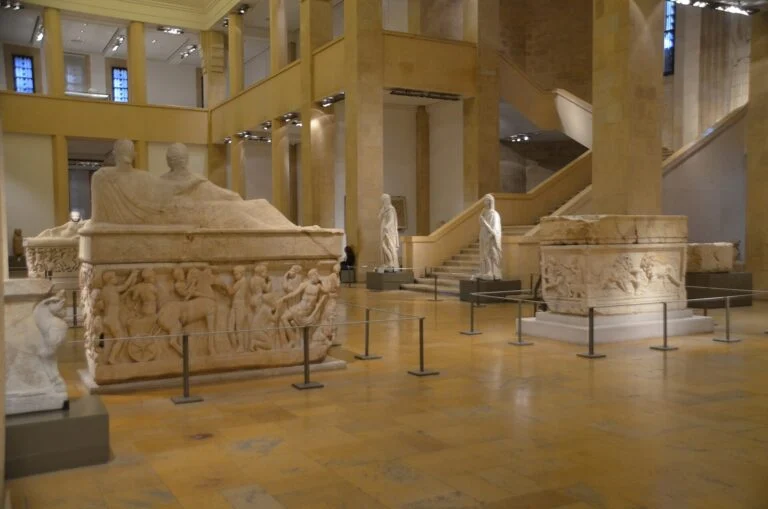
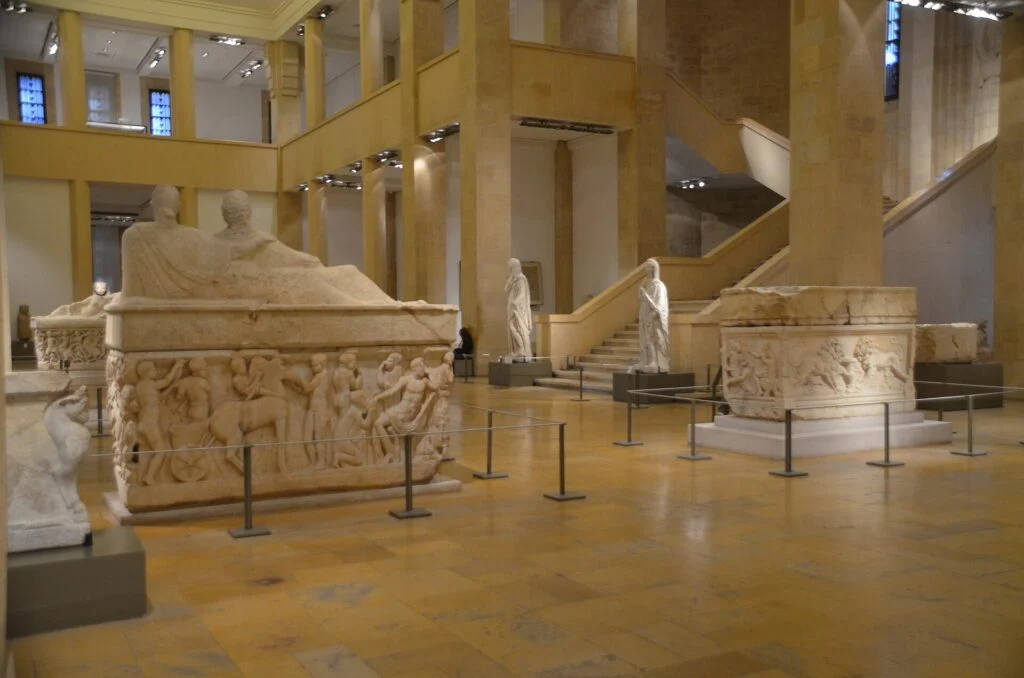
Among noteworthy objects are funerary items, such as elaborately decorated sarcophagi and burial goods, which illustrate ancient burial practices and beliefs about death and the afterlife. The collection also includes a range of statues, stelae, and ceramics that document artistic styles and religious motifs over time. Jewelry and coins offer insights into trade networks and economic life, while inscriptions and reliefs provide evidence of language, governance, and social structure.
Many pieces reveal a continuity of occupation and the successive cultural influences exerted by Phoenician, Greek, Roman, and later civilizations. The museum holds examples of Phoenician ivory carvings and glasswork, notable for their craftsmanship and regional importance. Inscriptions in various scripts further underscore Lebanon’s historical role as a cultural crossroads.
The presentation of objects is generally straightforward and focused on archaeological explanation rather than contemporary interpretation or thematic arrangement. Some labeling may assume prior familiarity with ancient history, so the museum suits visitors interested in archaeology and ancient cultures, though it might be challenging for those new to the subject without additional context or guide materials.
Building and Setting
The museum stands near a busy part of Beirut but aims to provide a quiet environment once inside. The building itself dates from the 1930s and was designed specifically to house archaeological collections. Its architecture is functional with a certain modest dignity, incorporating display rooms that allow natural and artificial lighting suitable for the artifacts.
The setting gives a sense of Beirut’s urban fabric rather than scenic or landscaped surroundings. Its focus is inward, centered on the museum experience rather than a view or grounds to explore. As the city has developed, the museum has remained a stable cultural institution, close to central transport routes, which facilitates access, though the surrounding area can be urban and busy.
Over the years, restoration and conservation efforts have taken place to protect the building and the collections inside, including post-war repairs. The infrastructure supports the preservation of fragile materials, though like many older museums, there may be limitations in terms of space and modern visitor facilities.
Practical Information
Because of evolving circumstances including the broader political and economic context in Lebanon, visitors should check the museum’s official website or reliable local sources before planning a visit for current opening times, ticketing, and visitor services. Information on accessibility and amenities may be limited online and could vary with changes in funding or staffing.
The museum does not typically emphasize high-tech visitor aids; interpretive material tends to be textual and static, and while guided tours can sometimes be arranged, this is not always standard. The flow of visitors can vary with local demand and season, so participating in a guided visit or bringing an informed companion may enhance understanding.
Photography policies may be restrictive to protect certain objects, so confirming the rules at the entrance is advisable. The museum shop and café facilities are minimal or may be absent, so plan accordingly. The National Museum of Beirut functions mainly as a scholarly and cultural institution rather than a commercial tourist attraction.
Why Visit
Choosing to visit the National Museum of Beirut means engaging with the deep historical layers of Lebanon, offered through a tangible collection of archaeological finds. It suits visitors who have a specific interest in the ancient Mediterranean and Near Eastern world, archaeology enthusiasts, students of history, and those curious about Lebanon beyond its contemporary image.
The museum provides a grounded sense of how Lebanon’s territory has been inhabited and transformed over thousands of years. It reveals the intersection of indigenous cultures with major ancient civilizations: Phoenicians, Greeks, Romans, Byzantines, and others. For those interested in material culture—pottery, sculpture, jewelry—the museum holds objects that connect directly with these narratives.
Visitors should be prepared for a fairly traditional museum experience. The focus is on artifacts rather than multimedia displays or immersive reconstruction. The information is generally reliable and backed by the country’s official archaeological authority, but interpretative frameworks are straightforward and may not be extensive.
In sum, the National Museum of Beirut is a key institution preserving and sharing an archaeological heritage that is central to understanding Lebanon’s identity and history. Its strengths lie in the authenticity and scope of the collection rather than entertainment or novel visitor technology. This makes it an important destination for those bringing some prior interest or knowledge, and a useful resource for introducing the ancient past of this part of the world. However, for a casual visitor without specific interest, the museum might feel dense or specialized.
Visitors planning to explore Lebanon’s archaeological and historical landscape will find the National Museum of Beirut a valuable starting point before expanding to site visits elsewhere. It offers foundational historical context that can enhance appreciation of the country’s broader cultural heritage.