Fur Museum
Nederby, Denmark. The Fur Museum is a local history and natural history museum located in Nederby, a part of the island of Fur in Denmark. It offers insight into the geological and paleontological heritage of the…
Best forMuseum lovers, culture travelers, first-time visitors
Setting / nearbyNederby, Denmark
Overview
The Fur Museum is a local history and natural history museum located in Nederby, a part of the island of Fur in Denmark. It offers insight into the geological and paleontological heritage of the region, along with the cultural history of the island’s inhabitants. Fur is known particularly for its fossil-rich sedimentary layers, which have attracted scientific and public interest for many decades. The museum aims to present these aspects in a way accessible to both specialists and general visitors. It is a place where the island’s unique natural environment and its interaction with human activity come into focus.
While the Fur Museum is relatively modest in size compared to larger institutions, it serves as a central point for understanding the island’s singular contributions to Denmark’s natural history and archaeological record. The museum’s role is not only to display objects but to contextualize them within the broader story of the island’s formation, past ecosystems, and cultural development. Visitors can expect a focused experience that sheds light on the specific characteristics of this northern European locality, rather than an extensive survey of Danish history or geology in general.
Collection Highlights
The core of the Fur Museum’s collections centers on fossils from the Miocene epoch, found in the diatomite formations known locally as the "Fur Formation." These sedimentary layers are world-renowned for their preservation of prehistoric flora and fauna. The fossils include fossilized fish, insects, birds, and plants, with some specimens providing rare glimpses into the ecosystems that existed around 55 million years ago. While the museum cannot claim ownership of every specimen discovered on the island, it maintains an important assemblage for study and display that illustrates the diversity and quality of this fossil record.
In addition to natural history, the museum also explores human presence on Fur. Archaeological finds, tools, and traditional crafts presented there reflect life in a small island community, shaped by fishing, farming, and maritime trade. These displays highlight later historical periods and offer insights into the daily lives of residents over the centuries. Though more focused on the natural epoch of the region, the museum balances this with attention to human interaction with the landscape.
The museum’s exhibits often include informative panels and visual aids that explain the scientific importance of fossil discoveries while bridging to how these ancient environments relate to present-day Fur. Temporary exhibitions and events sometimes complement the permanent displays, although their frequency and themes should be confirmed by checking with the museum before visiting.
Building and Setting
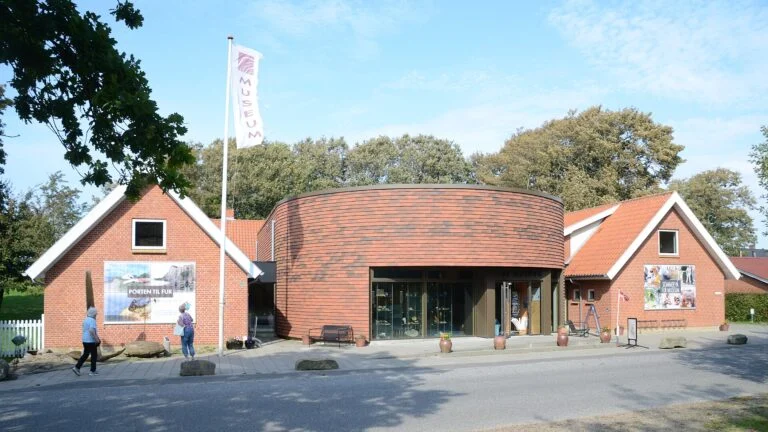
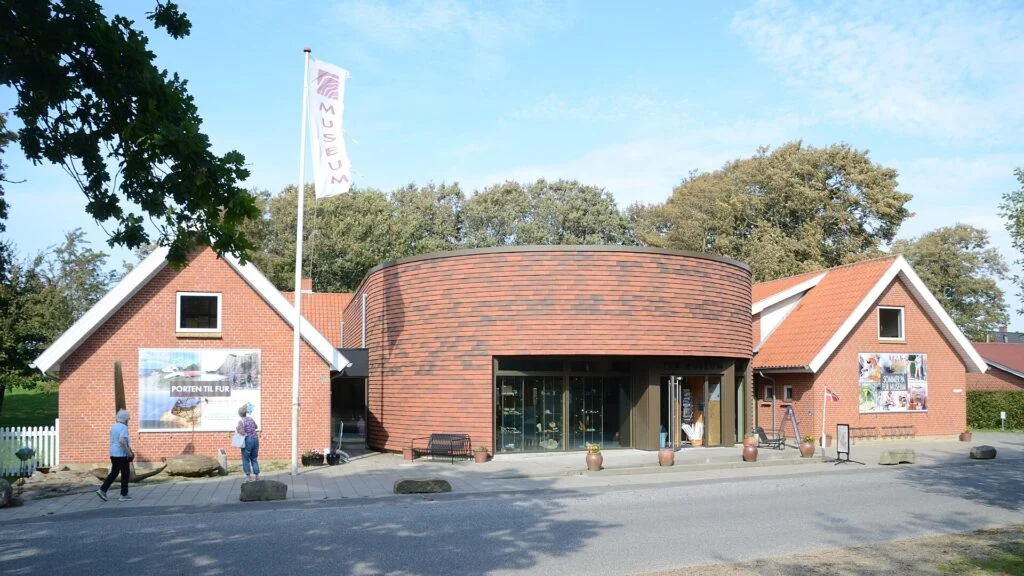
The museum is situated in Nederby, one of the villages on Fur island, which lies in the Limfjord, a shallow sound separating the North Jutlandic Island from the rest of mainland Denmark. The setting reflects the quiet rural character of the island, surrounded by nature and farmland. The architectural style of the building itself is functional and unpretentious, designed primarily to serve the needs of displaying natural history specimens and regional artifacts rather than an elaborate visitor attraction.
Its location on the island means that visiting the Fur Museum typically involves some travel by ferry or local roads through a largely agricultural and coastal environment. This setting situates the museum as part of a broader local experience of Fur, encouraging visitors to engage with the landscape that produced its collections. The island’s relatively small population and remote position mean the museum tends to attract visitors with a specific interest in its niche collection rather than casual tourists.
Practical Information
Details about opening hours, admission prices, guided services, and accessibility can vary and are best checked on the official Fur Museum website or by contacting the museum directly. Given its scale and location, it may not offer the extensive visitor facilities or services found in larger museums. Prospective visitors should consider seasonal variations and ferry schedules when planning their trip, as these factors influence overall access to the island.
Visitors interested in fossil hunting or exploring the surrounding landscape might want to research local guidelines or tours that complement the museum’s offerings. The island’s natural environment is protected in some areas, so regulations on collecting fossils or other natural materials may apply.
Why Visit
The Fur Museum provides a specialized window into a region of Denmark noted for its exceptional fossil deposits and layered history. It holds particular appeal for those interested in paleontology, geology, and island cultural heritage. Visitors with a curiosity about how scientific research intersects with local history will find the museum’s collections informative and well-presented.
While the museum does not attempt to cover broad Danish history or large-scale natural history topics, its focus grants depth rather than breadth. This means it is more suitable for visitors who appreciate concentrated displays telling the story of a distinctive landscape and its past. The exhibitions can invite reflection on deep time and the continuity between ancient ecosystems and modern island life in a way that many general museums cannot.
For travelers already planning a visit to Fur or the Limfjord area, the museum offers an educational complement to the outdoor experience of the island. Its particular strength is illustrating the scientific importance of Fur within Denmark and European paleontological research, setting it apart from more generic regional collections.
However, those without a strong interest in fossils or regional history might find the museum’s scope limited. It lacks the breadth found in larger national or natural history museums, so expectations should be calibrated accordingly. The quieter, rural context also means visitor amenities are less extensive, which may influence planning for some travelers.
In summary, the Fur Museum serves as a dedicated center for the natural and cultural heritage of a distinctive Danish island. It is best suited for visitors with an interest in fossils, geological history, or the local history of island communities. Alongside the surrounding Fur landscape, the museum invites a concentrated, thoughtful encounter with a small but scientifically important part of Denmark. Readers interested in visiting should consult the official museum website for up-to-date information about access and services before planning their trip.