Esrum Abbey Museum
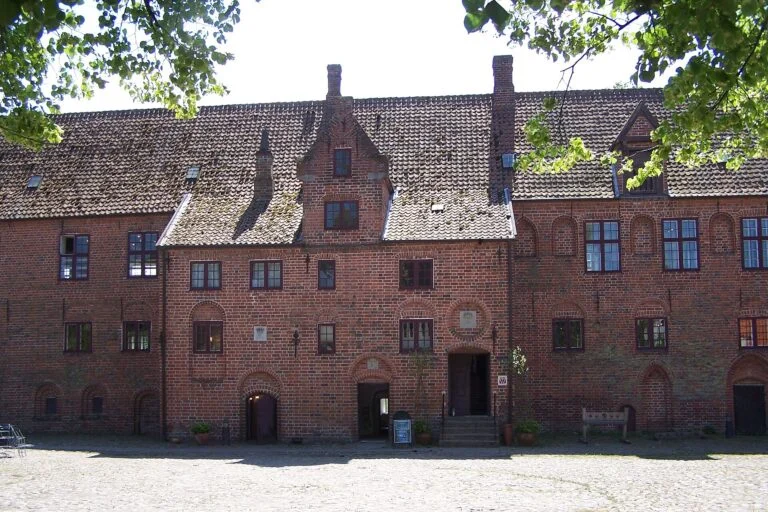
Esrum, Denmark. The Esrum Abbey Museum is a local history and monastic heritage museum located in Esrum, Denmark. It occupies part of the former Esrum Abbey, a significant Cistercian monastery dating back to the 12th century.…
Best forMuseum lovers, culture travelers, first-time visitors
Setting / nearbyEsrum, Denmark
Overview
The Esrum Abbey Museum is a local history and monastic heritage museum located in Esrum, Denmark. It occupies part of the former Esrum Abbey, a significant Cistercian monastery dating back to the 12th century. The site offers insight into both religious and secular life in medieval Denmark. The museum focuses on the abbey’s history and its role in Danish cultural and spiritual life, as well as the architectural and archaeological remains that have persisted through centuries of change.
This museum is not merely about monastic religion but also serves as an entry point to understand medieval agrarian economies, monastic art and craftsmanship, and the broader context of ecclesiastical presence in the region. It is of particular interest to visitors who appreciate architectural history, archaeology, and the narratives of religious communities in Northern Europe.
Esrum Abbey was one of the largest and most influential Cistercian monasteries in Denmark before the Reformation. After the Dissolution of the Monasteries, much of the abbey’s property and lands changed hands, and the buildings underwent transformation and partial ruin. The museum’s exhibits trace that arc, presenting not just the monastic period but also later historical phases linked to the site.
Collection Highlights
The Esrum Abbey Museum’s collection centers predominantly on archaeological finds, architectural fragments, historical documentation, and reconstructed items related to Cistercian monastic life. Visitors encounter displays of medieval stonework, elements of the abbey’s religious and domestic architecture, and artifacts such as pottery, tools, and liturgical objects uncovered during excavations.
One of the notable aspects of the collection is its focus on the everyday life of the monks alongside the spiritual and ritualistic dimensions. This dual perspective enriches understanding of how the abbey functioned as a self-sufficient community. The museum’s displays extend to illustrating the abbey’s economic activities, including its agricultural production and management of vast estates.
There is also information about the abbey’s dissolution in the 16th century, showing how the transition affected the site and its holdings. Documentary materials help place the abbey in the shifting religious and political landscape of Denmark through time. While the museum does not showcase famous artworks in the typical sense, it provides a grounded educational experience rooted in history and material culture.
Where possible, the museum attempts to reconstruct or interpret the monastic environment using a combination of original finds and explanatory media. This includes spatial representations of the abbey’s layout and models of daily routines, which assist visitors in visualizing life nearly a millennium ago.
Building and Setting
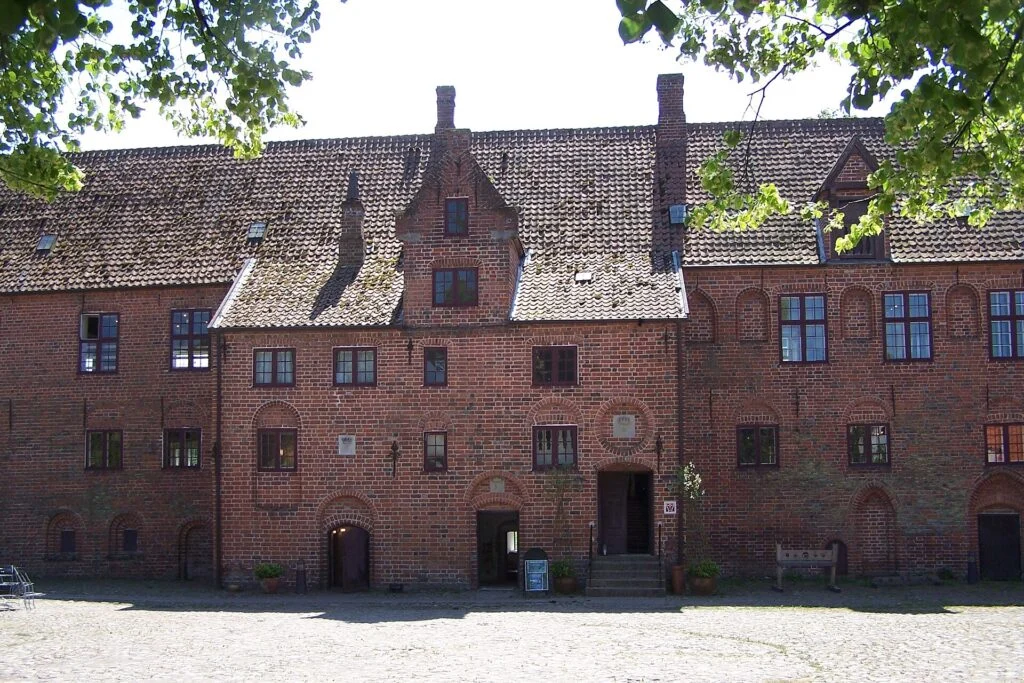
The museum is housed within the ruins and surviving structures of Esrum Abbey itself, set in a rural area near the town of Esrum in northern Zealand. This historic setting is an integral part of the experience. The surviving medieval stonework and partial buildings provide palpable context for the displays.
Although much of the original abbey has not remained intact, the museum has taken care to preserve and present the site sensitively. The solidity of the stone ruins invites reflection on the scale and craftsmanship of medieval monastic architecture. Visitors can explore parts of the site on foot, following circulation routes that connect the exhibition spaces with outdoor ruins.
The natural surroundings of the abbey area — including woodlands and fields — hint at the environment that once sustained the monastery. That rural context underlines the abbey’s role as both a spiritual center and an economic hub tied to its agricultural lands. The architecture of the remaining structures displays typical Cistercian austerity and balance, reflecting the order’s guiding principles.
Practical Information
For those planning a visit, it is advisable to check the official Esrum Abbey Museum website for the most current information on opening hours, admission fees, available tours, and any special events or temporary exhibitions. Since the site merges outdoor and indoor areas, weather conditions can influence the experience, so appropriate clothing and footwear are recommended.
Accessibility details, such as mobility considerations for navigating the ruins or indoor spaces, should be verified directly with the museum. The facilities might not be extensive due to the heritage nature of the site and its conservation priorities, so visitors should plan accordingly.
While the museum does not generally focus on entertainment or interactive technology, the presentation style aims at clarity and engagement through clear labeling, informative panels, and, at times, guided commentary. Visitors interested in deeper historical study could benefit from supplementary materials or local publications related to Denmark’s monastic history.
Why Visit
Esrum Abbey Museum offers a focused look into one important chapter of Danish religious, cultural, and agrarian history. Unlike large national museums with broad collections, this museum’s strength lies in its integration of place, material culture, and historical narrative. It appeals particularly to those intrigued by medieval history, architectural ruins, and monastic life beyond the usual ecclesiastical art or grand cathedrals.
Through its collection and site, the museum illuminates how monastic institutions shaped the landscape, economy, and spiritual life of their regions. It also provides perspective on the changes brought by Reformation-era reforms, showing the layering of history at this site.
The experience requires some patience and interest in historical context, as the museum is less about spectacle and more about reflection and discovery. Visitors looking for a comprehensive cultural excursion in northern Zealand will find it rewarding especially combined with nearby natural or heritage spots.
In summary, Esrum Abbey Museum stands as a meaningful institution for those seeking to understand the lived reality of monastic communities in medieval Denmark, framed by the tangible remains of the abbey itself. Its specific local and historical focus gives it a distinctive place within the broader landscape of Danish museums.