Luxor Museum
Luxor, Egypt. The Luxor Museum is an archaeological museum located in the city of Luxor, Egypt, a site long celebrated for its concentration of ancient Egyptian monuments and religious complexes on the east bank of the…
Best forMuseum lovers, culture travelers, first-time visitors
Setting / nearbyLuxor, Egypt
Overview
The Luxor Museum is an archaeological museum located in the city of Luxor, Egypt, a site long celebrated for its concentration of ancient Egyptian monuments and religious complexes on the east bank of the Nile. Unlike larger collections housed in Cairo, this museum specializes in material sourced largely from the surrounding Theban region, offering a focused perspective on the traditions and artifacts connected to Luxor’s historical role as the ancient city of Thebes. Established in the late 20th century, the museum was designed to present its objects in a setting that emphasizes clarity, context, and craftsmanship. Visitors to the Luxor Museum encounter a relatively compact institution with well-curated galleries that illustrate religious, funerary, and artistic aspects of ancient Egyptian life spanning several dynasties, especially those connected to the New Kingdom period.
The Luxor Museum serves not only as a display space, but as a protective home for material from nearby archaeological sites, some of which are dispersed across multiple Egyptian museums. Its closer proximity to key monuments such as the Luxor Temple and Karnak Temple means that visitors often combine the museum visit with outdoor exploration of these wider Nile valley sites. The museum’s approach tends toward careful, clean presentation rather than overwhelming scale, allowing both specialists and general visitors to engage with the objects on a more intimate level. Its emphasis on high-quality display and interpretive context distinguishes it within the corpus of Egyptian archaeological museums.
Collection Highlights
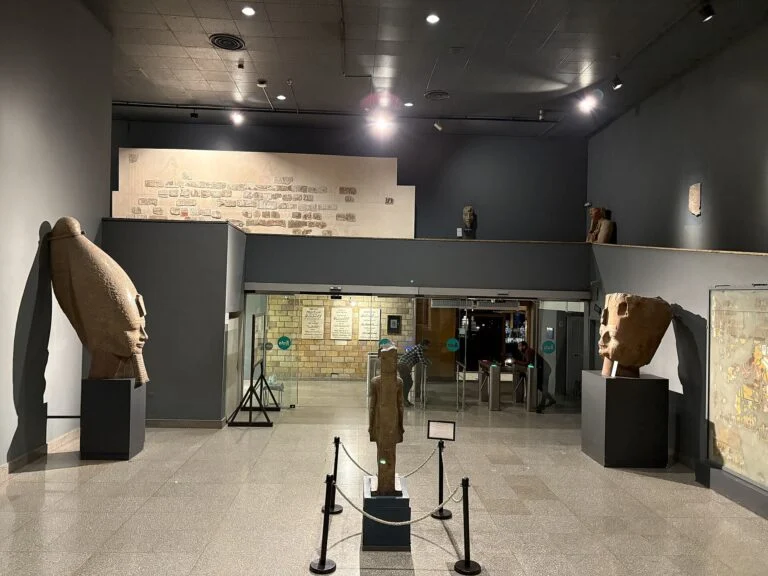
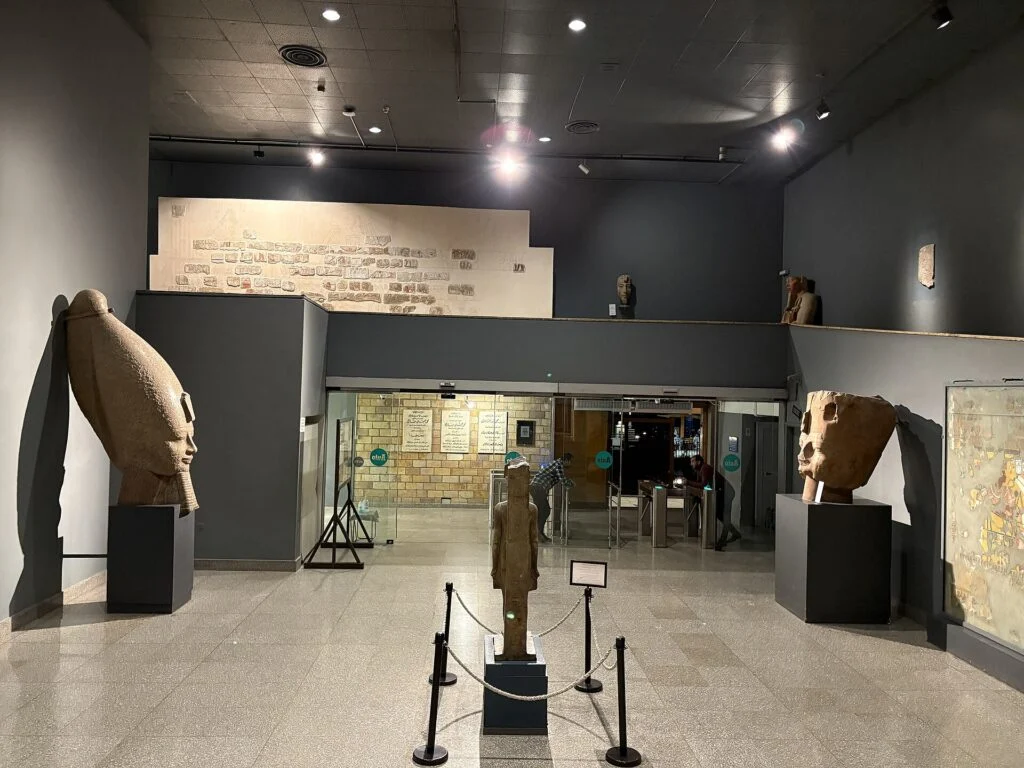
The museum’s collection centers on a suite of artifacts that illustrate aspects of Theban civilization, with a strong focus on religious statuary, funerary objects, and exquisite display pieces from tombs and temples in and around Luxor. One of the most notable groups includes well-preserved statuary attributed to important New Kingdom figures. These range from busts to fully seated sculptures, showcasing the skill and realism of ancient Egyptian craftsmen. For instance, statues of royal children and members of the priesthood reflect a variety of materials, including polished stone and painted wood, with a particular attention to facial features and inscriptions.
A highlight for many visitors is the carefully arranged range of funerary objects from the tomb of Tutankhamun, or those closely related in artistic style and function. This includes delicate pieces such as jewelry, amulets, and small ritual items that give insight into the religious beliefs and funerary practices of the period. While the museum does not house the entire contents of Tutankhamun’s tomb, certain fragments or related works are part of the display and contribute to understanding his reign’s legacy.
The museum also presents a selection of relief fragments, stelae, and carved inscriptions illustrating religious stories, prayers, and offerings. A series of stone reliefs from the temples of Karnak and Luxor provide visitors with visual narratives and textual elements once adorning large complexes that shaped Theban religious life.
Ceramic vessels and everyday objects are displayed with an emphasis on craftsmanship and design, which help balance the more monumental or royal-focused pieces with material representing the lives of common people. Together, these objects chart a course through the artistic and cultural developments of ancient Upper Egypt over several centuries.
Building and Setting
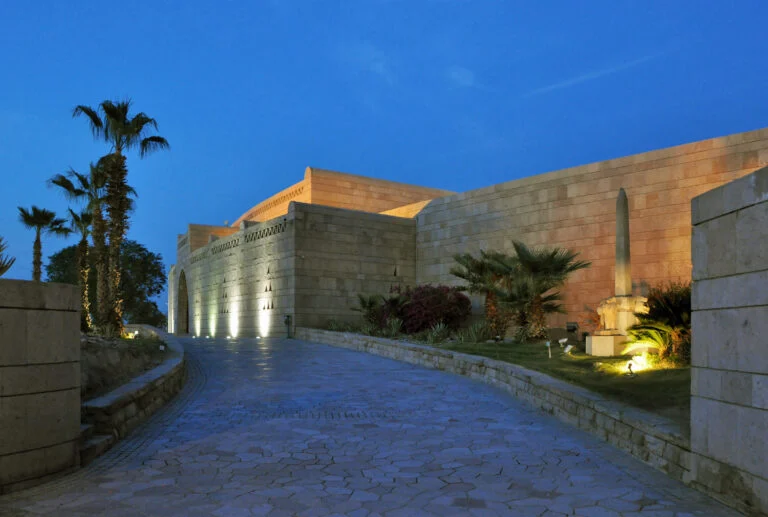
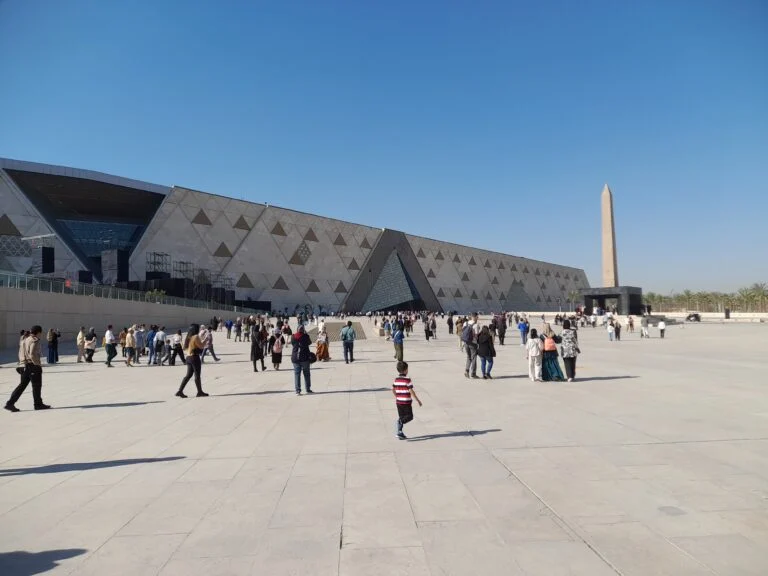
The Luxor Museum is located on the east bank of the Nile, near the city center of modern Luxor. Its position takes advantage of proximity to the major temple complexes, which are within a short distance. The building itself has a modern yet unobtrusive design that aims to complement rather than compete with the surrounding historical landscape. Constructed in the late twentieth century, it embodies a mid-century museum aesthetic with well-lit galleries and open floor plans that facilitate easy movement through the collection.
Internally, the museum’s layout is straightforward and tends toward clarity in exhibition design, avoiding clutter and giving each object room to be viewed closely. Lighting and display cases are arranged to highlight sculptural and inscriptional details, encouraging visitors to appreciate the craftsmanship. The setting outside offers views of the Nile, and while the immediate surroundings are urban, the museum’s relatively low profile and clean architectural lines provide visual relief amid the busy city environment.
Practical Information
Details on operational hours, current ticketing, visitor facilities, and availability of tours or audio guides at the Luxor Museum should be verified through the museum’s official channels or website, as these can vary seasonally or with local circumstances. Visitors interested in photography or group visits may want to check for any special restrictions or permissions in advance.
Access to the museum is generally straightforward from Luxor city center, but transportation and parking options should be planned carefully, especially considering the frequent tourist traffic in this part of the city. Given the hot climate of Upper Egypt, visits during the cooler parts of the day might be more comfortable for visitors who intend to combine a museum visit with outdoor exploration.
For those concerned about accessibility, it is advisable to consult the museum directly about accommodations available for visitors with mobility challenges, as older buildings and infrastructure in the region can vary in their support for accessibility needs.
Why Visit
The Luxor Museum offers an opportunity to engage closely with artifacts that come from the immediate geographic area around Luxor, providing a more localized narrative of Egypt’s ancient past. Whereas some larger Egyptian museums focus on sweepingly broad collections that cover the country’s entire history, this museum’s concentration on Theban and New Kingdom objects allows for detailed study of a period and place rich in religious and political significance.
Visitors with an interest in ancient Egyptian religion, art, and funerary practices will find the museum’s holdings informative and thoughtfully displayed. The emphasis on quality rather than quantity often means that key objects can be appreciated without the distractions found in more crowded settings. This makes the museum suitable for both newcomers to Egyptology and more informed visitors who are seeking deeper understanding of Luxor’s archaeological resources.
It should be noted that the museum does not cover every period of Egyptian history equally, and those seeking comprehensive collections from Old or Middle Kingdom periods or extensive modern contextualization may need to supplement their visit with other sites or museums. However, for those focused on the Theban area, this museum offers clarity and insight.
Because of its location, visiting the Luxor Museum is naturally paired with tours of Luxor Temple, Karnak, and the nearby Valley of the Kings and Queens. In this way, it forms part of a broader experience of ancient Egypt’s layered history in this famous Nile valley setting.
Overall, the Luxor Museum is an important cultural venue that contributes a distinctive voice to the story of Egypt’s past, housed close to the very sites from which many of its treasures originate. Visitors planning a trip to Luxor would do well to consider it as a meaningful and well-designed complement to outdoor archaeological exploration, provided they seek a site-specific archaeological museum focused on quality and context rather than sheer scale.