Pinacoteca de São Paulo
São Paulo, Brazil. The Pinacoteca de São Paulo stands as one of Brazil’s leading art museums, with a focus on Brazilian visual arts from the nineteenth century to the present day. Located in the heart of São…
Best forMuseum lovers, culture travelers, first-time visitors
Setting / nearbySão Paulo, Brazil
Overview
The Pinacoteca de São Paulo stands as one of Brazil’s leading art museums, with a focus on Brazilian visual arts from the nineteenth century to the present day. Located in the heart of São Paulo, this institution reflects the city’s cultural ambitions and its role as a center for the arts in Latin America. Founded in the early 20th century, the Pinacoteca is regarded primarily as a museum dedicated to painting and sculpture, as well as other media connected to the history and evolution of Brazilian art. Its collection is considered important not only for its size but also for its role in preserving works that span multiple artistic movements within Brazil, offering insight into the nation’s cultural and artistic development.
While the museum’s focus is Brazilian art, its historical significance links closely to São Paulo’s emergence as a growing metropolis during the late 19th and 20th centuries. Visitors to the Pinacoteca can expect to engage with art that responds to local and national histories, social themes, and occasional international influences. The museum serves both the local community and visitors interested in Latin American art, placing it among the key destinations within the region for those looking to understand Brazil’s visual culture from a regional perspective.
Collection Highlights
The Pinacoteca’s collection is centered on Brazilian painting and sculpture, with a strong emphasis on the nineteenth and early twentieth centuries. This includes numerous important works from Brazilian modernism and the academic traditions that preceded it. Notable artists in the collection include names associated with the development of national artistic identity, such as Almeida Junior, Tarsila do Amaral, and Anita Malfatti. These artists symbolize different phases of artistic creation in Brazil, from the academic realism that dominated early collections to the more experimental and modern approaches of the 1920s and beyond.
In addition to painting, the museum’s holdings include sculpture and other visual arts media that reveal evolving aesthetic and cultural concerns in Brazil. The collection may also include some artifacts and photographic material that contextualize the artworks or document artistic communities. As such, the museum gives a sense of the dynamic cultural dialogues within Brazilian art over time.
The Pinacoteca occasionally hosts temporary exhibitions that complement the permanent collection, often exploring new or underrepresented angles on Brazilian art. This adds a layer of variety, though the main draw remains the substantial permanent collection, which may require several hours to explore thoroughly. Visitors with an interest in Latin American modernism will find much to consider here, while those new to Brazilian art will appreciate the accessible presentation and the museum’s role in telling the story of Brazil’s artistic evolution.
Building and Setting
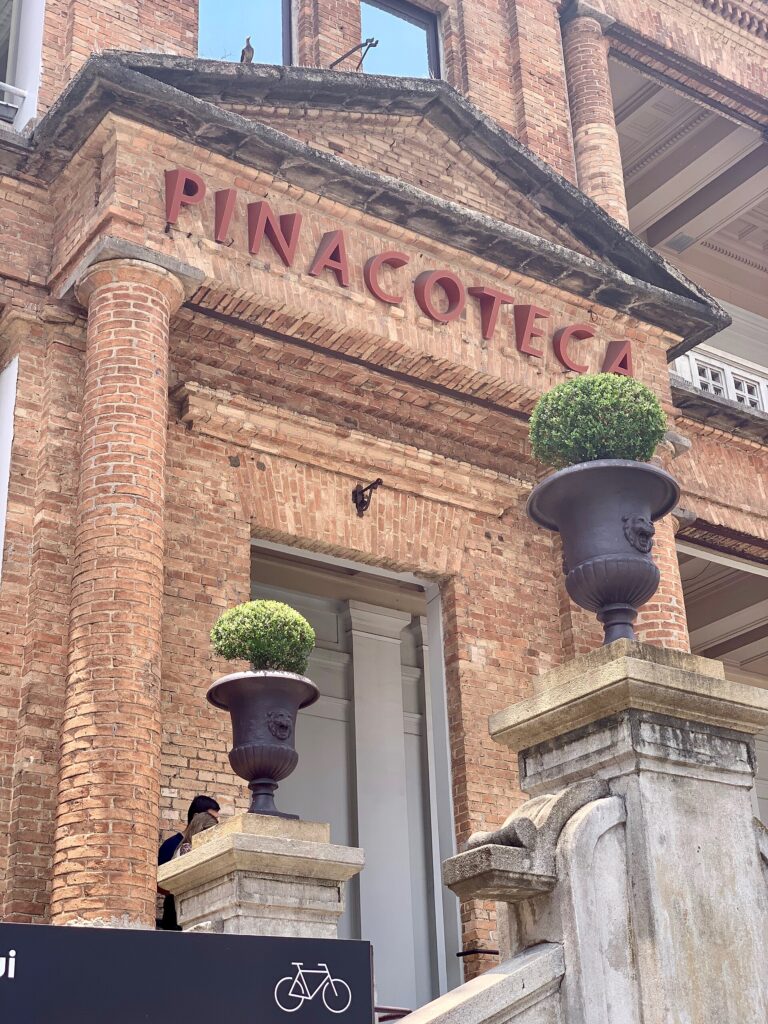
The museum occupies a historic building originally constructed in the late 19th century, a factor that contributes to the visitor experience. The structure retains architectural features that evoke its past while having been adapted for museum use, providing a blend of historical ambiance and functional exhibition space. The careful restoration and adaptation of the building allow artworks to be displayed in good conditions, although the layout can feel somewhat constrained compared to newly built museum spaces.
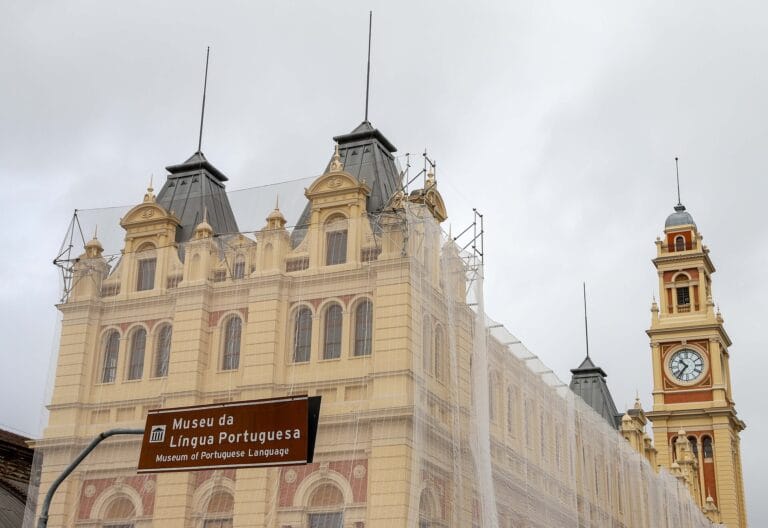
Situated in the Jardim da Luz park area, the Pinacoteca benefits from a central yet tranquil setting within São Paulo’s urban fabric. This location places the museum near other cultural institutions, such as the Museum of the Portuguese Language and the Luz Train Station, providing opportunities for combined sightseeing within a walkable area. The park setting contributes a peaceful contrast to the city’s busy streets, inviting visitors to linger after viewing exhibitions.
Practical Information
Visitors should check the official Pinacoteca de São Paulo website before planning a visit to confirm current opening hours, admission fees, and any booking or reservation requirements. Museums in São Paulo sometimes update public information based on seasonal variations or city-wide events. Information about guided tours, audio guides, or educational programs is best verified directly with the museum, as these services can vary.
Accessibility details are also best confirmed through official channels. While the museum is housed in a historic building that has been adapted to modern needs, limitations typical of older structures might apply, such as certain restrictions for visitors with mobility issues. Prospective visitors with specific requirements should inquire in advance.
The museum’s location means that transportation options include public transit and taxis, which are common in São Paulo. Parking availability may be limited in the immediate area due to urban density. Nearby facilities such as cafés and shops are found in Jardim da Luz and the broader downtown district.
Why Visit
The Pinacoteca de São Paulo offers a focused and richly detailed encounter with Brazilian visual arts. For art enthusiasts and scholars interested in the development of painting and sculpture in Brazil, it is a key institution holding foundational pieces alongside newer works. The museum allows visitors to follow Brazil’s cultural changes through its artistic expressions, highlighting periods of national identity formation and modern experimentation.
The museum is particularly suitable for those who want to deepen their understanding of Brazilian art beyond the limited selection often displayed outside the country. It caters to various levels of knowledge, providing both detailed artwork descriptions and overall contextual information. The relatively compact size compared to larger international museums means that a well-planned visit can yield a comprehensive experience without being overwhelming.
At the same time, those expecting a broad panorama of art history or collections emphasizing global art might find the Pinacoteca’s collection narrowly focused. Visitors should also be aware that the museum’s historic building, while charming, places some limits on exhibition space and flow. For those primarily interested in architecture or international art, other local museums might better suit these interests.
Nevertheless, the Pinacoteca’s clear concentration on Brazilian art and the thoughtful curation of its collection make it a valuable destination. It contributes significantly to São Paulo’s cultural landscape and offers an informative view of one of the Americas’ most important artistic traditions. Including it in a cultural itinerary of São Paulo enriches the experience of the city’s art scene and complements visits to other cultural sites nationwide.
In sum, the Pinacoteca de São Paulo holds a distinctive position as a museum devoted to Brazilian painting and sculpture with historical depth and ongoing relevance. It is a resource for understanding the interplay between art and Brazilian society and stands as a key institution within the country’s cultural fabric. Visitors curious about the regional specifics of Latin American art will find a degree of focus and quality here that rewards careful exploration.