
Museum of Fine Arts Opens Exhibition Exploring the Creation of Ancient Egyptian Art – Hungary Today
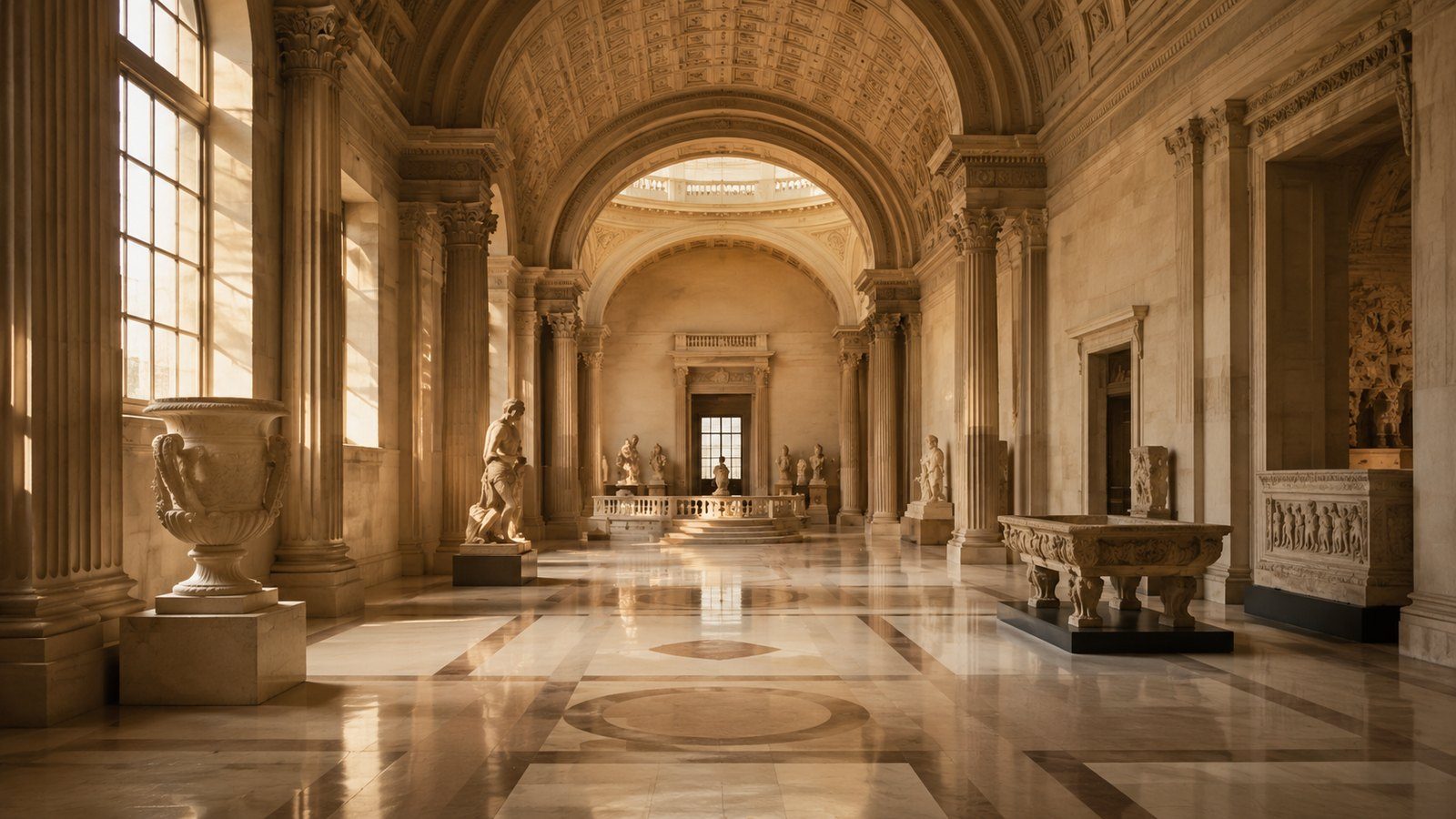
The Museum of Fine Arts in Budapest is currently hosting a captivating new exhibition that delves into the creation of ancient Egyptian art, inviting visitors on a fascinating journey through one of the most enduring and enigmatic civilizations in history. This thoughtfully curated exhibition explores not only the finished masterpieces but also the creative processes, techniques, and cultural contexts that shaped the visually stunning and symbolically rich works of ancient Egypt.
One of the exhibition’s great strengths is how it presents ancient Egyptian art as a living dialogue between craftsmen, patrons, and religious beliefs. Far from being static artifacts frozen in time, the objects on display reveal the meticulous planning, specialized skills, and layered meanings involved in their creation. The show seeks to demystify ancient Egyptian artistry by peeling back the layers to showcase tools, sketches, pigments, and sculpting materials alongside statues, wall reliefs, and funerary objects. This dual approach gives visitors a rare opportunity to appreciate both the technical expertise and spiritual significance embedded in the artworks.
The exhibit is notable for its breadth, spanning from the Old Kingdom through to the New Kingdom, thereby illustrating how artistic styles and conventions evolved over centuries while maintaining an unbroken tradition of symbolism and iconography. A series of statues and stelae demonstrate how sculptors captured the idealized forms of pharaohs and deities with remarkable precision, while finely painted papyri fragments reveal the narrative and religious texts that directed much of the iconography. The juxtaposition of rough drafts and finished pieces highlights the iterative nature of the creative process, a point often lost in discussions of ancient art.
One particularly compelling section focuses on the pigments and materials used by ancient Egyptian artists. By presenting mineral samples alongside color fragments from tomb paintings, the exhibition underscores the Egyptians’ advanced knowledge of natural resources and chemistry. Visitors gain insight into how artists painstakingly prepared and applied color to imbue stone and plaster surfaces with vibrant life, adhering to symbolic color codes that conveyed meaning beyond the purely decorative.
Besides the artistic aspects, the exhibition provides thoughtful reflection on the social and religious factors that influenced art production. Workshops and studios operated under strict guidelines, often controlled by temple authorities or royal commissions. Art was inseparable from religion and governance, serving both as spiritual offerings and tools of political propaganda. The exhibition’s interpretive texts and multimedia presentations do an excellent job contextualizing this relationship, helping modern audiences understand how these ancient creations were part of a broader cultural narrative.
The Museum of Fine Arts has also succeeded in making the exhibit accessible and engaging to a wide audience. Interactive displays allow visitors to virtually “reconstruct” fragmentary artifacts, experimenting with color placement and sculptural form to better understand the artist’s challenges. Educational programs, lectures, and hands-on workshops further enrich the experience, fostering a deeper appreciation for the skill and innovation that ancient Egyptian artists brought to their crafts.
This exhibition arrives at a time when interest in ancient Egyptian culture is as vibrant as ever, but it manages to provide fresh perspectives by focusing on process and practice rather than simply showcasing spectacular finished objects. The Museum of Fine Arts has managed to avoid the pitfalls of oversimplification or mythologizing, offering instead a balanced and nuanced presentation grounded in solid scholarship.
For anyone who has ever been captivated by the mysterious allure of Egyptian art, this exhibition offers a rewarding chance to look behind the scenes. It not only celebrates the stunning visual legacy of this ancient civilization but also honors the creativity and dedication of the artists who made that legacy possible. Whether a lifelong Egyptologist or just a curious visitor, the show offers moments of discovery and wonder, reminding us that art, no matter how ancient, is a deeply human endeavor.
The exhibition will be on view at Budapest’s Museum of Fine Arts through the early autumn months, offering ample opportunity for art lovers and history enthusiasts alike to immerse themselves in the visual and cultural richness of ancient Egypt. It is a testament to the enduring power of art to connect us across millennia and to the continuing relevance of ancient cultural achievements in our contemporary world.
Join the discussion
Share a thoughtful museum note, correction, or visitor perspective about this article.