Andy Warhol Museum
Military Museums · Pittsburgh, United States. The Andy Warhol Museum in Pittsburgh, United States, is dedicated to exploring the life, work, and cultural impact of one of the 20th century’s most influential artists. As an art museum focused on contemporary…
Best forMilitary history, design, remembrance
Setting / nearbyPittsburgh, United States
Overview
The Andy Warhol Museum in Pittsburgh, United States, is dedicated to exploring the life, work, and cultural impact of one of the 20th century’s most influential artists. As an art museum focused on contemporary and pop art, it offers a focused study of Warhol’s practice while situating his legacy within the broader visual and cultural landscape. This museum is unique in its commitment to documenting not only Warhol’s finished works but also his varied archival materials, studio processes, and personal collections. Located in a city that was Warhol’s hometown, the museum serves as a cultural hub and a resource for understanding the intersections between art, media, and popular culture through the prism of Warhol’s career.
The museum was established to preserve and present Warhol’s oeuvre in a comprehensive way that goes beyond the usual presentation of pop art. It holds one of the largest collections of Warhol-related material worldwide, aiming to reflect the breadth of his interests, from painting and printmaking to filmmaking and publishing. The museum also sheds light on his role in shaping ideas about celebrity, consumerism, and mass production in art. For those interested in modern art’s evolution during the 20th century, the museum offers a layered narrative of one artist’s experimental engagement with new forms and media.
Collection Highlights
At the core of this museum is its permanent collection, which documents Andy Warhol’s production across several decades. Visitors are likely to encounter his signature silkscreen paintings featuring repeated images of celebrities and everyday objects, such as Marilyn Monroe, Campbell’s Soup cans, and Brillo boxes. These works illustrate key themes in Warhol’s art: fame, commodification, and the blurred lines between high art and commercial imagery.
The collection also includes a considerable number of Warhol’s prints, drawings, photographs, and experimental films. These highlight facets of his working method and creative experimentation that are less familiar to a general audience that might know him only through iconic paintings. The museum devotes space to exploring Warhol’s role as a filmmaker, where his interest in minimalism and time-based media comes into play. Photographic materials and archival objects – including notebooks, recorded interviews, and personal effects – further enrich the visitor’s understanding of Warhol’s multifaceted career.
Changing exhibitions often complement the permanent collection with thematic investigations into Warhol’s collaborators, artistic influences, or contemporary connections. These temporary shows usually offer context about the environments in which Warhol worked, showcasing lesser-known artists or related art movements, providing a broader cultural frame without losing sight of the individual artist’s significance.
Building and Setting
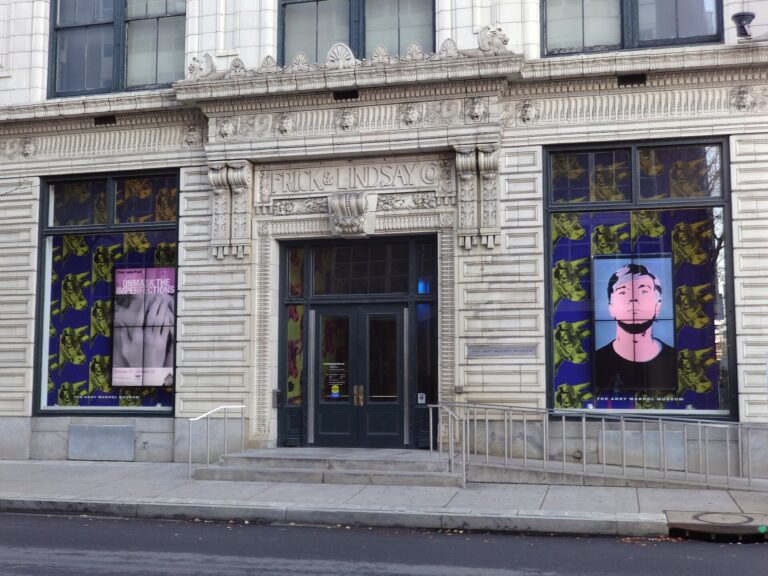
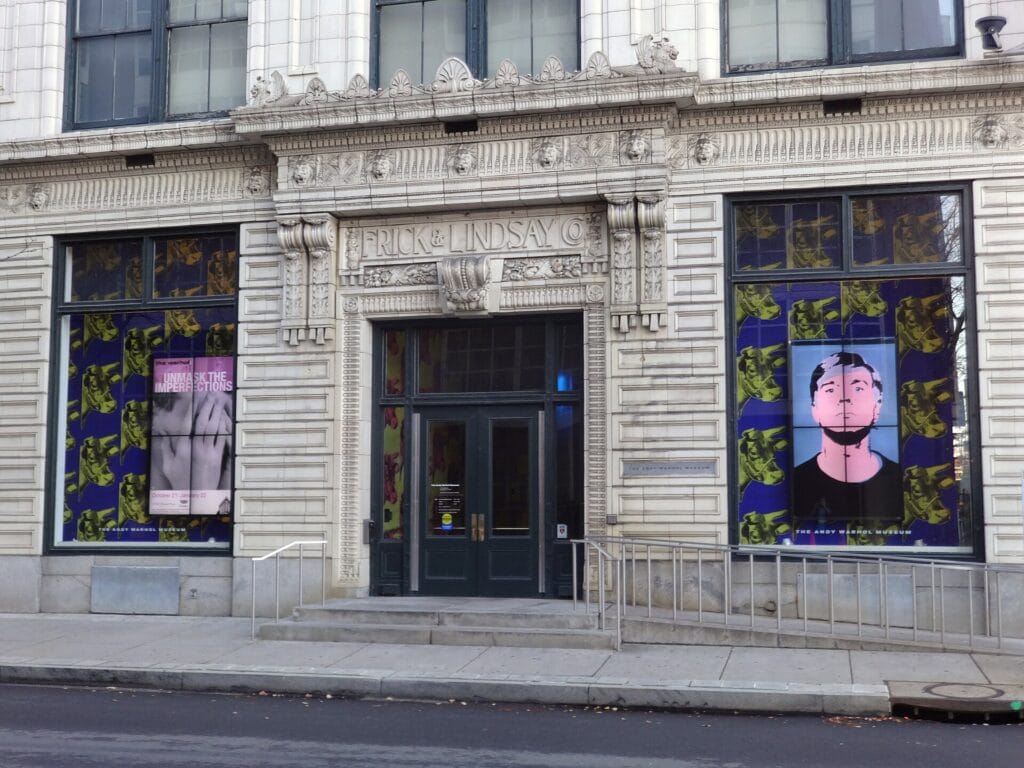
The museum is housed in a converted industrial building on Pittsburgh’s North Shore, reflecting the city’s industrial past. The location itself offers some insight into Warhol’s early life, as the neighborhood connects to the working-class background from which he emerged. The design and layout of the museum prioritize accessibility to the extensive collection, with multiple floors dedicated to both permanent and temporary displays.
The large windows and open galleries are arranged to allow natural light and offer space for sizeable installations and works that require close viewing. The building’s architecture is pragmatic rather than ornamental, which, in a way, fits the industrial and commercial sensibilities tied to Warhol’s own artistic themes. The museum also includes spaces for public programs, workshops, and events, integrating an educational dimension with its curatorial mission.
The setting near Pittsburgh’s major cultural and recreational areas may appeal to visitors planning to explore the city’s museum district or riverfront, providing the opportunity to combine art visits with other city attractions.
Practical Information
Details about visiting the Andy Warhol Museum, such as opening hours, admission fees, and available tours, are best confirmed directly through the museum’s official website before planning a visit. This helps ensure that visitors have the most current information, particularly about access policies, special exhibits, and any seasonal or event-driven closures.
Prospective visitors might consider the museum’s layout and collection size when scheduling their visit. The museum is extensive and can require several hours for a thorough experience; this is particularly true for those who want to engage deeply with both visual art and archival material. As with many popular urban museums, it may experience peak visitor times that can affect crowding and the quiet appreciation of exhibits.
The museum’s programming often includes educational components aimed at a variety of age groups and interests, so checking in advance for any relevant public events or workshops is advisable for visitors seeking a more interactive experience.
Why Visit
Visiting the Andy Warhol Museum offers an opportunity to engage with the work of a pivotal figure in modern art who helped redefine artistic boundaries in the mid-20th century. Unlike some museums dedicated solely to art objects, this institution’s archival holdings provide insight into Warhol not only as a painter but also as a cultural producer and media figure. This dual emphasis helps visitors understand how Warhol’s art reflected and influenced contemporary ideas about popularity, image creation, and consumer culture.
The museum’s collection and exhibitions can be especially rewarding for those interested in pop art’s origins, 20th-century art history, and the intersections of commercial and fine art. It also appeals to visitors curious about the visual culture of post-war America and its continuing relevance.
At the same time, the museum may be less suited for visitors seeking a broad survey of contemporary art beyond Warhol and his immediate circle. Its specialized focus can feel narrow to those looking for diverse or chronological movements in art. However, this focus allows a depth of exploration that visitors interested in Warhol’s impact specifically will appreciate.
Ultimately, the Andy Warhol Museum reflects a distinctive artistic vision and cultural moment, anchored firmly in the city that shaped its subject’s early years. It stands as a notable destination for understanding how art and popular culture have interacted over the last century, presenting material that is both visually engaging and thought-provoking. Those willing to invest time in the exhibits will find an original and in-depth encounter with one of the most debated artists of recent decades.