Musée Nissim de Camondo
Paris, France. The Musée Nissim de Camondo in Paris is a house museum dedicated primarily to French decorative arts from the late 18th century. It presents a period residence designed to showcase a collection focused on…
Best forMuseum lovers, culture travelers, first-time visitors
Setting / nearbyParis, France
Overview
The Musée Nissim de Camondo in Paris is a house museum dedicated primarily to French decorative arts from the late 18th century. It presents a period residence designed to showcase a collection focused on fine craftsmanship, design, and the lifestyle of a wealthy Parisian family in the early 20th century. The museum is named after Nissim de Camondo, a member of the Camondo family, who were notable bankers and art collectors. Tragically, Nissim was killed during World War I, and the family home was later transformed into a museum as a tribute to his memory.
This museum differs from many larger art institutions in Paris by concentrating not on painting or sculpture but on furniture, tapestries, porcelain, silverware, and other decorative arts. Its preservation as a historic home gives visitors an opportunity to see how objects were arranged and used within a carefully curated domestic environment of a wealthy family. The collection reflects a particular period and aesthetic in Parisian taste and offers insight into the cultural and social history of French aristocratic life before World War I.
Collection Highlights
The collection in this house museum centers on French decorative arts from the latter half of the 18th century, primarily the Louis XV and Louis XVI styles. Visitors will find exquisite examples of furniture crafted by leading Parisian cabinetmakers of the time. The museum’s holdings include intricate marquetry, elegant ormolu (gilded bronze) mounts, and finely carved woodwork that illustrate the high level of craftsmanship typical in French furniture workshops of the period.
In addition to furniture, the museum features tapestries woven in famous workshops such as Gobelins or Beauvais, which were sought after by the French aristocracy. These textiles provide color and narrative scenes that contributed to the atmosphere and status of the rooms in which they were displayed. Porcelain and ceramics form another important part of the collection, showcasing works by renowned manufacturers including Sèvres. Visitors will see both utilitarian and ornamental pieces, often displayed alongside silverware, glassware, and other items that help reconstruct the dining customs and social rituals of the time.
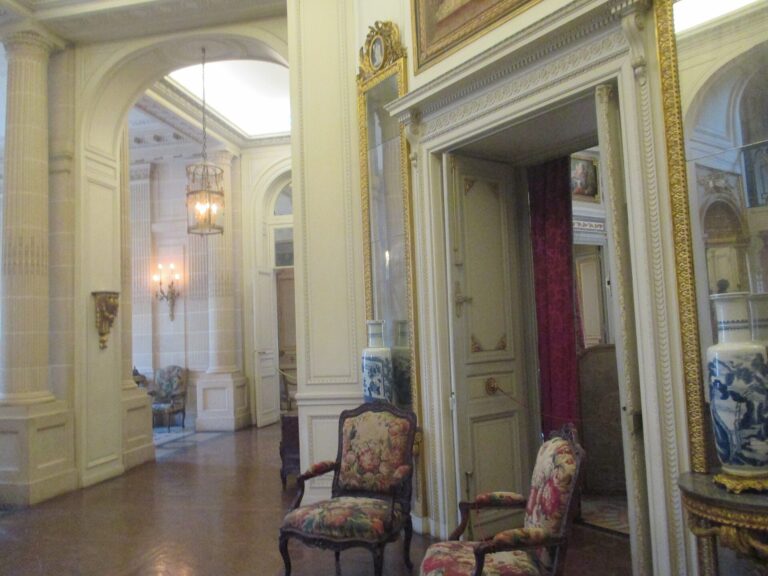
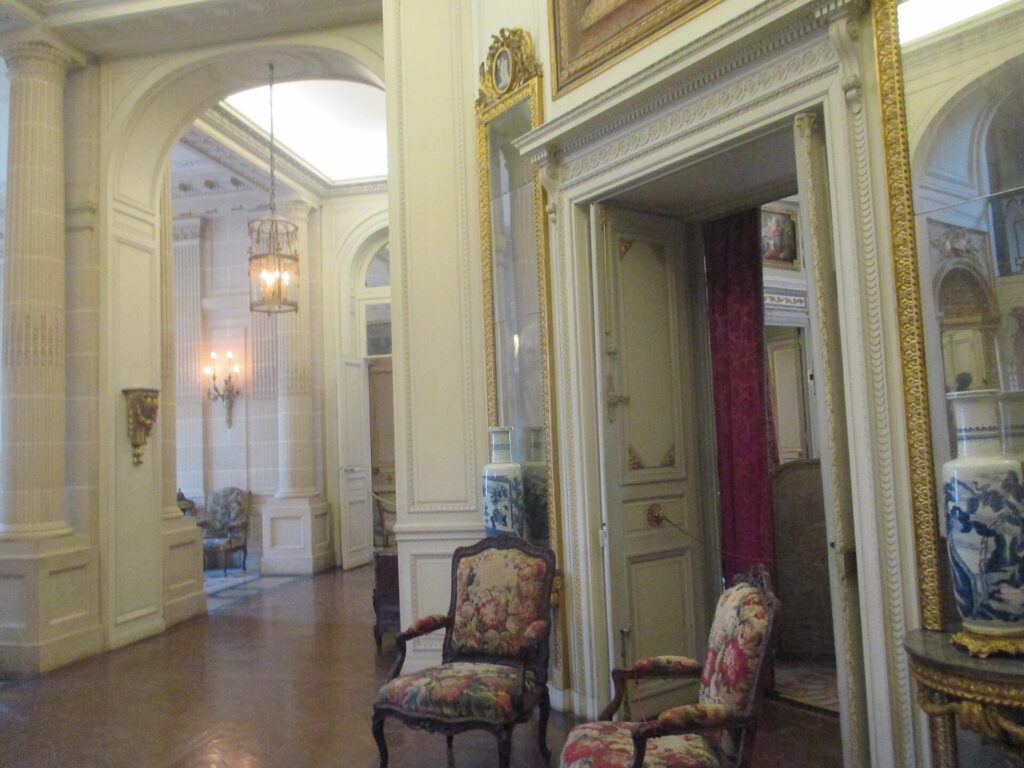
A particular interest in the museum is the preservation of the interior décor and the arrangement of objects as they were in the family’s residence. Details such as chandeliers, wall coverings, and carpets all serve to provide a sense of living history. This approach helps visitors understand the context in which these objects were made and used, offering a tangible connection to the tastes and lifestyle of an upper-class Parisian household during the Belle Époque.
Building and Setting
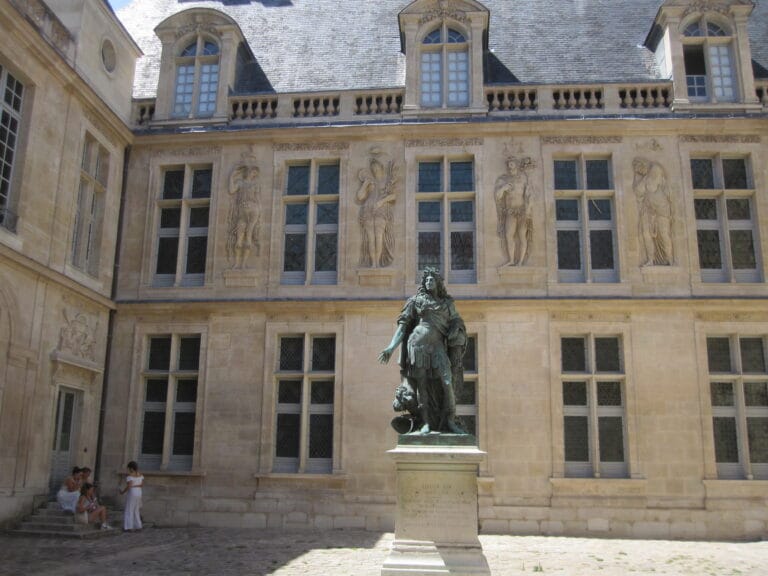
The Musée Nissim de Camondo is housed in an early 20th-century mansion located in the 8th arrondissement of Paris. The building itself was constructed between 1911 and 1914, inspired by the Petit Trianon at the Palace of Versailles. The architect aimed to evoke the elegance and restrained classicism of that famous 18th-century royal retreat, translating it into a residential urban setting.
The mansion stands on a quiet street near Parc Monceau, a public park that provides a pleasant environment around the museum. The historic character of the building is integral to the visitor experience, as it facilitates an immersive viewing of the decorative arts in situ rather than in gallery cases detached from their original uses. The layout retains the original organization of rooms—salons, dining rooms, bedrooms, and service areas—allowing visitors to trace the circulation patterns and lifestyle of the family.
The surrounding neighborhood is a refined area of Paris with a number of other notable buildings from the same period or related landmarks. The museum’s location away from the busiest tourist thoroughfares may make it less crowded than many of Paris’s major museums, offering a quieter and more focused visit. Nevertheless, visitors should be prepared for a setting that emphasizes historic interior spaces over large-scale exhibition areas or modern visitor amenities.
Practical Information
For those planning a visit, it is advisable to consult the museum’s official website to confirm the current opening hours, admission conditions, and any requirements for ticket purchase or reservations. The museum’s policies regarding access, guided tours, audio guides, and available languages may also be detailed on the official site.
Because the museum is a historic house with relatively small rooms and delicate objects, the visitor flow may be regulated during busy periods to protect the collection and maintain a comfortable atmosphere. Photography policies can vary, so verifying whether photography is permitted and under what conditions is prudent before visiting.
The museum’s location in central Paris is accessible by public transport and walking from several nearby Métro stations. While it may be less equipped with facilities than larger institutions, visitors might expect basic amenities, although checking in advance is recommended to avoid unexpected inconveniences.
Why Visit
The Musée Nissim de Camondo stands out among Paris’s cultural offerings by focusing on French decorative arts within the authentic setting of an early 20th-century aristocratic home. For those particularly interested in furniture, decorative objects, and interior design, the museum presents a coherent and nuanced collection that illustrates not only artistic craftsmanship but also patterns of domestic life among the Parisian elite.
It appeals especially to visitors who seek a deeper understanding of the aesthetic and social context surrounding the decorative arts, rather than simply viewing isolated objects in a standard gallery format. The house setting allows visitors to appreciate the interplay between architecture, interior decoration, and collection pieces within the lived environment of a specific family and historical moment.
That said, this museum may not satisfy all tastes. Visitors expecting grand painting collections or broad historical narratives might find the scope limited. It is best suited to those with some interest or background in decorative arts, design, or French cultural history. The experience can be especially rewarding for visitors who enjoy quieter, more contemplative spaces rather than large, crowded museum halls.
In summary, the Musée Nissim de Camondo offers a distinctive view of French cultural heritage through its preserved house and its carefully assembled collection of 18th-century decorative arts. It contributes a particular understanding of Parisian domestic art and life during the early 20th century and honors the personal history of the Camondo family through this unique and intimate museum setting.