
Museum Extravagance and the Forgotten Visitor – Governing
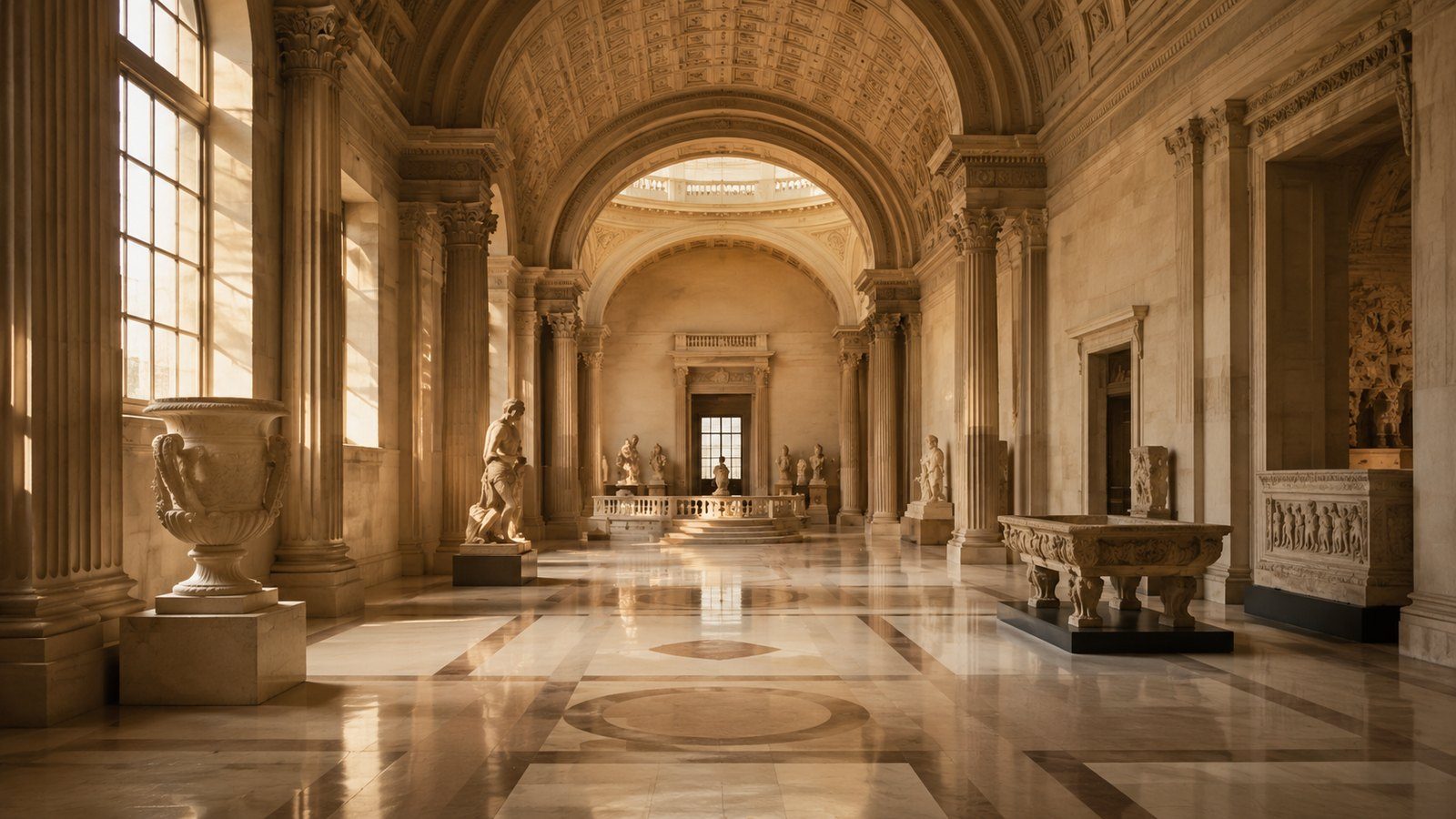
In recent years, a quiet conversation has been brewing within the walls of cultural institutions around the world, touching on a paradox that feels all too familiar: as museums pursue ever grander exhibitions and lavish renovations, the needs of the everyday visitor seem to drift further away. This delicate balance between ambition and accessibility lies at the heart of what some call the “museum extravagance” phenomenon—a growing concern that speaks volumes about the evolving role of museums in society.
Museums have long been temples of knowledge, preservation, and inspiration. However, the mounting pressure to attract global audiences and compete for international prestige often fuels a drive toward spectacular displays, blockbuster exhibitions, and architectural marvels. These projects, while undoubtedly impressive, come at a price. Budgets swell, staff focus tightens on securing high-profile loans and sponsorships, and operational decisions become tethered to media buzz and tourism numbers. But amidst this push for grandeur, what about the visitors who come seeking quiet reflection, education, or simply a connection to the past?
The sentiment echoed by many museum-goers and professionals alike is that the visitor experience risks being overshadowed by spectacle. What once was an intimate encounter with art or artifacts can feel, at times, like navigating a theme park or a commercial event. The very intimacy that should guide a museum’s mission becomes fractured under layers of marketing, merchandise, and multimedia gimmicks. For some, this means feeling lost in vast galleries designed more for visual impact than thoughtful engagement. For others, especially those who visit regularly or live nearby, it might mean being overlooked altogether—as the institution chases headlines and ticket sales.
The challenge is not new. History has shown that museums thrive when they nurture community connections as much as collections. But the current climate raises pressing questions about inclusivity and the diversity of visitors served. Are museums becoming unaffordable or inaccessible for many? Are they prioritizing tourists over local schools, families, or those with special needs? Leaders in the sector have expressed concerns that extravagance can alienate precisely those who would benefit most from museum visits, exacerbating social divides in cultural participation.
Yet, there is a hopeful undercurrent to this dialogue. Some institutions are waking up to the need for recalibration—recognizing that sustainability isn’t just about finances or environmental impacts but also about social responsibility. Museums increasingly experiment with ways to create welcoming, inclusive spaces without sacrificing intellectual or artistic rigor. This can mean enhancing accessibility programs, diversifying exhibitions to reflect broader communities, and reimagining the visitor journey with empathy and attentiveness.
One inspiring example involves museums redesigning their interpretive strategies to move beyond passive viewing. Instead of simply displaying objects behind glass, they invite visitors to interact, reflect, and contribute to meaning-making. Libraries and quiet zones, community-led programming, and pricing models that consider income disparities are all part of a growing toolkit aimed at keeping museums approachable and meaningful. Temporary blockbuster exhibitions are balanced with local histories and intimate displays that speak directly to residents’ identities and stories.
There is also a renewed discussion about the physical spaces themselves. Monumental architecture might catch headlines, but smaller refurbishments focusing on comfort, wayfinding, resting areas, and sensory-friendly environments can profoundly impact who feels welcome and valued. After all, museums should be sanctuaries of curiosity, discovery, and solace—not just entertainment venues for the moment.
The conversation around museum extravagance versus visitor consideration is not a call to abandon ambition but a plea for balance. Grand visions and community care are not mutually exclusive; in fact, when they are integrated thoughtfully, museums can become richer, more resonant places. The heart of the matter lies in remembering that behind every artifact, installation, or architectural gesture is a person—someone seeking connection, knowledge, or wonder. Museums that keep sight of that simple truth may find their futures brighter, not just in terms of status or attendance but in the lasting impact they foster in people’s lives.
As this debate evolves, cultural institutions face an important crossroads. Will extravagance continue to define the museum experience, or will a quieter, more intentional visitor-centered approach prevail? The answer probably lies somewhere in between, but the voices advocating for the “forgotten visitor” deserve to shape the path forward. After all, museums exist not for monuments or tourists alone, but for everyone who walks through their doors—curious, contemplative, and hoping to find meaning in the stories they hold.
Join the discussion
Share a thoughtful museum note, correction, or visitor perspective about this article.