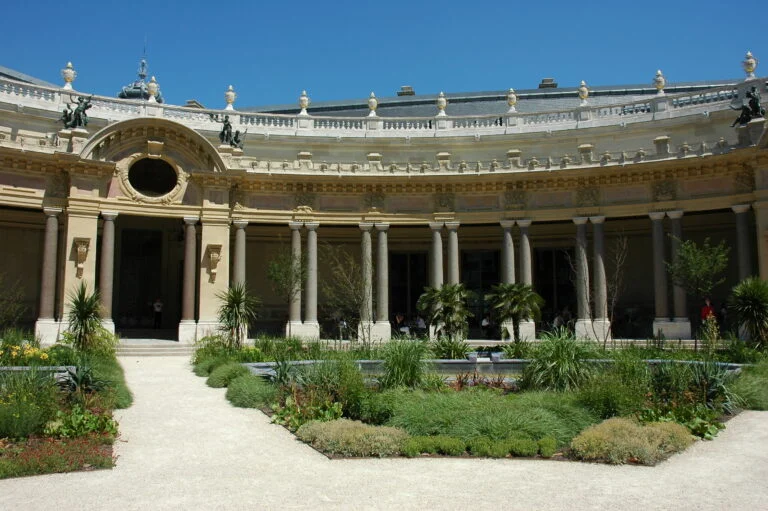
Musée Zadkine
Art Museums · Paris, France. The Musée Zadkine is a small art museum in Paris dedicated to the work of Ossip Zadkine, a Russian-born sculptor who became closely associated with the Parisian avant-garde during the early 20th century. Zadkine’s…
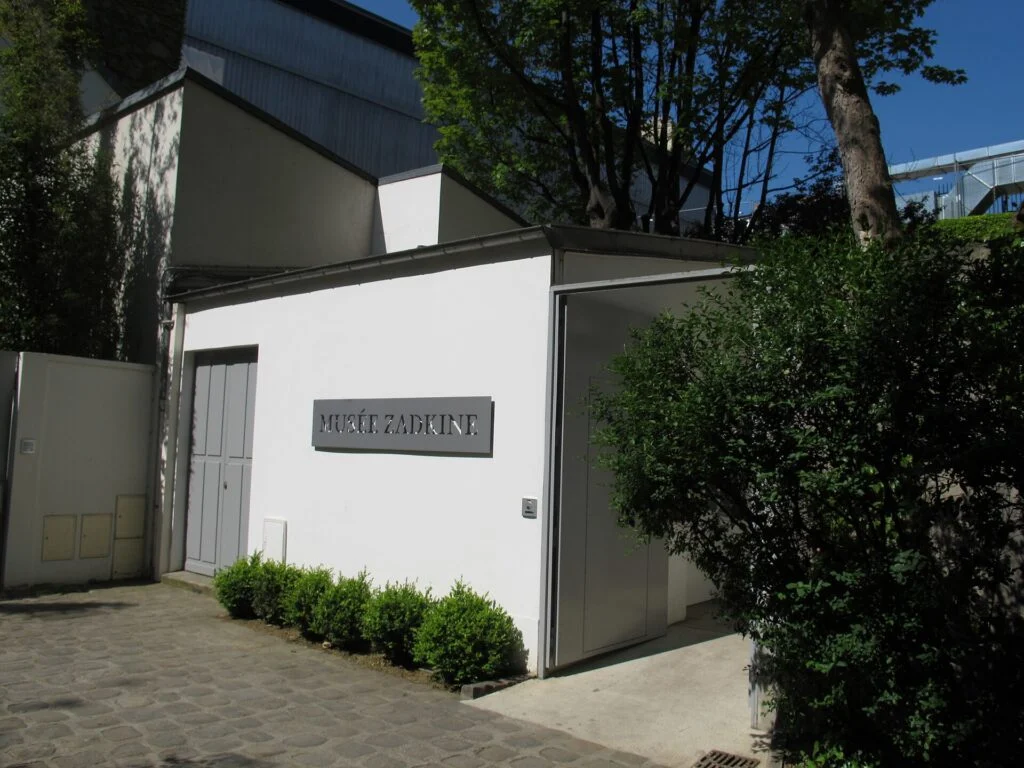
Best forMuseum lovers, culture travelers, first-time visitors
Setting / nearbyParis, France
Overview
The Musée Zadkine is a small art museum in Paris dedicated to the work of Ossip Zadkine, a Russian-born sculptor who became closely associated with the Parisian avant-garde during the early 20th century. Zadkine’s sculptures reflect a modernist sensibility combined with influences from Cubism and African art, producing forms that hover between abstraction and figuration. Established in the artist’s former studio and residence, the museum offers an intimate glimpse into Zadkine’s creative world and artistic development.
Located in the 6th arrondissement, the museum occupies a quiet city setting near the Luxembourg Gardens, which helps set a contemplative tone for viewing the artworks. Unlike larger institutions in Paris, Musée Zadkine focuses exclusively on this single artist, making it a specialist destination rather than a broad survey of modern art. It suits visitors who have a particular interest in sculpture, early 20th-century modernism, or the cross-cultural artistic experiments of the interwar period.
Collection Highlights
Visitors to the Musée Zadkine encounter several decades of the sculptor’s work, mainly from the 1920s to the 1960s. The collection includes a mix of carved wood, stone, plaster, and bronze sculptures. The museum features distinctive figures characterized by angular planes, stylized human forms, and fragmented shapes that suggest movement and emotion through abstraction.
One of the stronger aspects of the collection is how it traces Zadkine’s response to Cubism and primitivism. Some sculptures reveal his interest in geometric simplification, while others reference African masks and other ethnographic sources that influenced many modern artists around the time. This connection offers a useful context for understanding how Zadkine’s work fits within larger modernist currents without merely replicating better-known figures like Picasso or Brancusi.
Although the museum does not present an encyclopedic or exhaustive collection, several prominent pieces stand out. These often depict the human body or mythological themes, rendered with a deeply tactile quality that invites close viewing. The collection also includes drawings, photographs, and some furniture that testifies to Zadkine’s multifaceted artistic practice.
Building and Setting
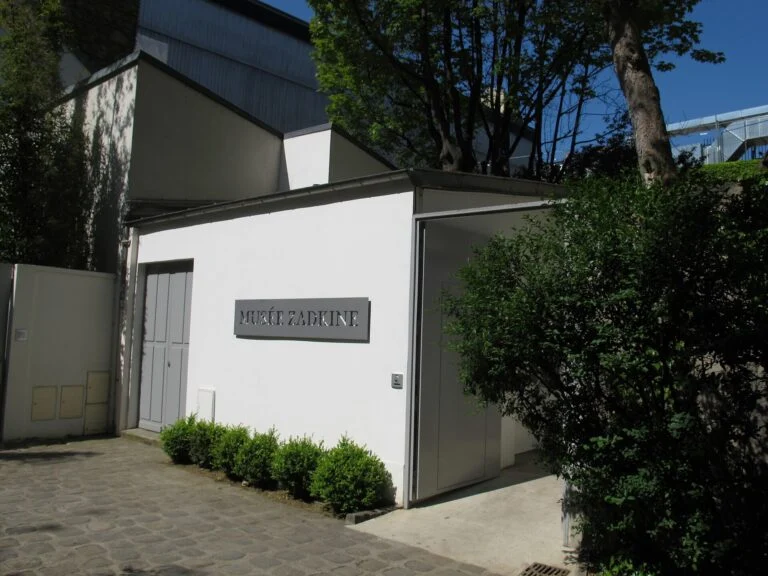
The Musée Zadkine is housed in the artist’s former home and studio, which was designed and inhabited by Zadkine himself from around 1928 onward. The building is of modest scale, set within a quiet garden that contains some outdoor sculptures. This setting allows visitors to experience the works not only indoors but also amid natural surroundings that resonate with the artist’s appreciation for organic forms.
The residential feel of the museum gives it a domestic intimacy uncommon in larger art institutions. The layout follows the rooms and studio spaces where Zadkine worked, so the architecture and interior ambiance contribute to a sense of connection to the artist’s daily life. Visitors might find this more personal atmosphere inviting for appreciating the scale, texture, and materiality of the sculptures.
Situated in a residential part of the 6th arrondissement, the museum can be a relatively peaceful stop compared to more frequented tourist areas nearby. While the location is not a major landmark in itself, it offers an accessible retreat for those interested in focusing on one artist’s vision and legacy.
Practical Information
Before planning a visit to the Musée Zadkine, readers should verify current details on the official museum website or local cultural resources. This includes opening hours, admission conditions, ticketing, and any visitor services such as guided tours or audio guides. Since the museum is specialized and relatively small, it is advisable to check for any seasonal or temporary closures, as well as whether reservations are needed for entry.
The museum's size means it rarely feels crowded, but visitor capacity may be limited in peak periods, so advanced planning can prevent inconvenience. While the museum is in central Paris, information about public transport access or parking should be consulted beforehand for smooth travel arrangements.
Accessibility features and accommodations can vary and are best confirmed directly with the museum. Additional services such as cafés or shops should not be presumed and depend on the current museum layout.
Why Visit
Choosing to visit the Musée Zadkine is primarily about engaging with the work of a single sculptor who played a meaningful, if somewhat under-recognized, role in early 20th-century art. For visitors interested in sculpture as a discipline, the museum offers the chance to see how one artist explored form, material, and abstraction over several decades.
Its location in the artist’s former home and studio is valuable for understanding the personal and creative context of the artworks. The garden and relatively secluded setting invite a quieter and more reflective visitor experience compared to larger Parisian museums where crowds and scale might overwhelm subtler works.
While the museum does not provide the breadth of larger modern art institutions or the full narrative of modern sculpture, its focus allows in-depth attention to Zadkine’s distinctive style and contributions. Visitors with a specific interest in Cubism-influenced sculpture, the dialogue between European art and African influences, or the human figure rendered with abstraction might find the museum particularly rewarding.
In addition, the Musée Zadkine tends to attract visitors who appreciate slower museum pacing and who value encountering artworks in a smaller, more focused environment. Those expecting a sprawling collection or multimedia presentation might not find that here, but the museum’s content and atmosphere make it an interesting complement to a broader exploration of Paris’s modern art scene.
In summary, the Musée Zadkine is best suited to visitors looking for a carefully curated, intimate experience centered on one sculptor’s innovation and legacy. Its collection and setting combine to tell a distinctive artistic story in a quiet corner of Paris, making it a worthwhile consideration for those with specific interests in sculpture and early modernism.
For up-to-date information on opening times and visitor arrangements, checking the museum’s official website before planning a visit is recommended.