San Marco Museum
Art Museums · Florence, Italy. The San Marco Museum in Florence, Italy, is a significant site combining art, religious history, and Renaissance culture. It primarily serves as an art museum housed within the former Dominican convent of San Marco.…
Best forMuseum lovers, culture travelers, first-time visitors
Setting / nearbyFlorence, Italy
Overview
The San Marco Museum in Florence, Italy, is a significant site combining art, religious history, and Renaissance culture. It primarily serves as an art museum housed within the former Dominican convent of San Marco. This location is famous for its association with Fra Angelico, a key Early Renaissance painter whose frescoes and altarpieces there mark a turning point in the history of religious art. The museum extends beyond a typical gallery experience by offering insight into monastic life and the integration of art and spirituality in fifteenth-century Florence.
This museum is particularly relevant for visitors interested in Renaissance art, ecclesiastical history, and Italian cultural heritage. Far from a conventional art museum that collects diverse works from across periods and styles, San Marco Museum focuses on works connected to the convent and its community. This link between the art and the building’s original function as a Dominican house makes the museum distinctive. One encounters both the art and the living space of the monks, evoking an understanding of how art served devotional purposes in this setting.
Collection Highlights
The core of the museum’s collection consists of frescoes, panel paintings, illuminated manuscripts, and various artworks related to the Dominican order and Renaissance Florence. Of particular note are the frescoes by Fra Angelico, whose work at San Marco is widely regarded as a landmark in religious painting. His use of light, color, and composition displays a sensitivity that aimed to uplift and inspire monastic contemplation, aligning artistic innovation closely with spiritual goals.
Visitors will find whole cells painted by Fra Angelico, with scenes designed for individual meditation. For example, the Annunciation mural in the monk’s cells highlights the artist’s skill in conveying sacred moments with quiet dignity and clarity. These frescoes are vital for understanding the early Renaissance transition to more naturalistic and human-centered religious imagery.
In addition to Fra Angelico’s masterpieces, the museum contains works by his workshop and contemporaries, such as Benozzo Gozzoli. The latter’s contributions include the elaborate and colorful fresco cycle in the Chapterhouse, which introduces more narrative and decorative elements, yet remains firmly religious in purpose. The museum’s collection also includes manuscript illuminations created by Dominican friars, offering evidence of the convent’s intellectual and artistic life beyond painting.
Important liturgical objects and early printed books supplement the art collection, reflecting the dual role of the convent as a religious and scholarly institution. While the focus is on the fifteenth century, some later works and artifacts help form a broader context for understanding the convent’s evolution and ongoing influence.
Building and Setting
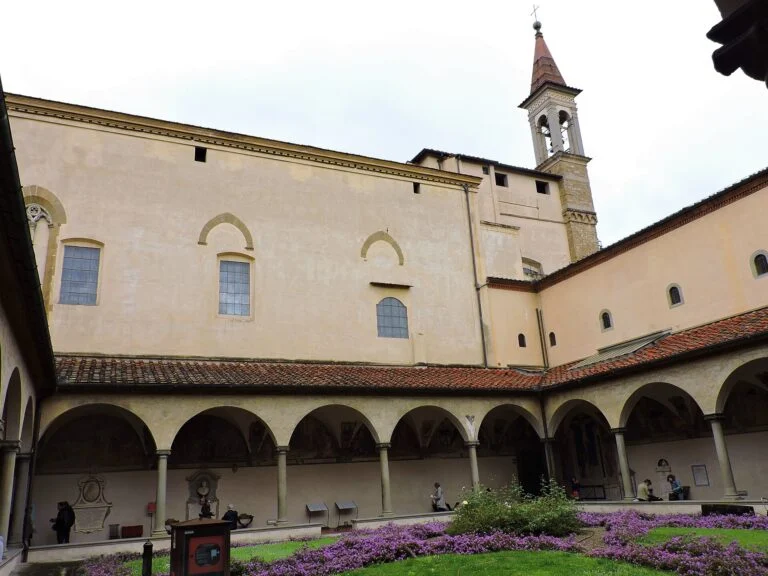
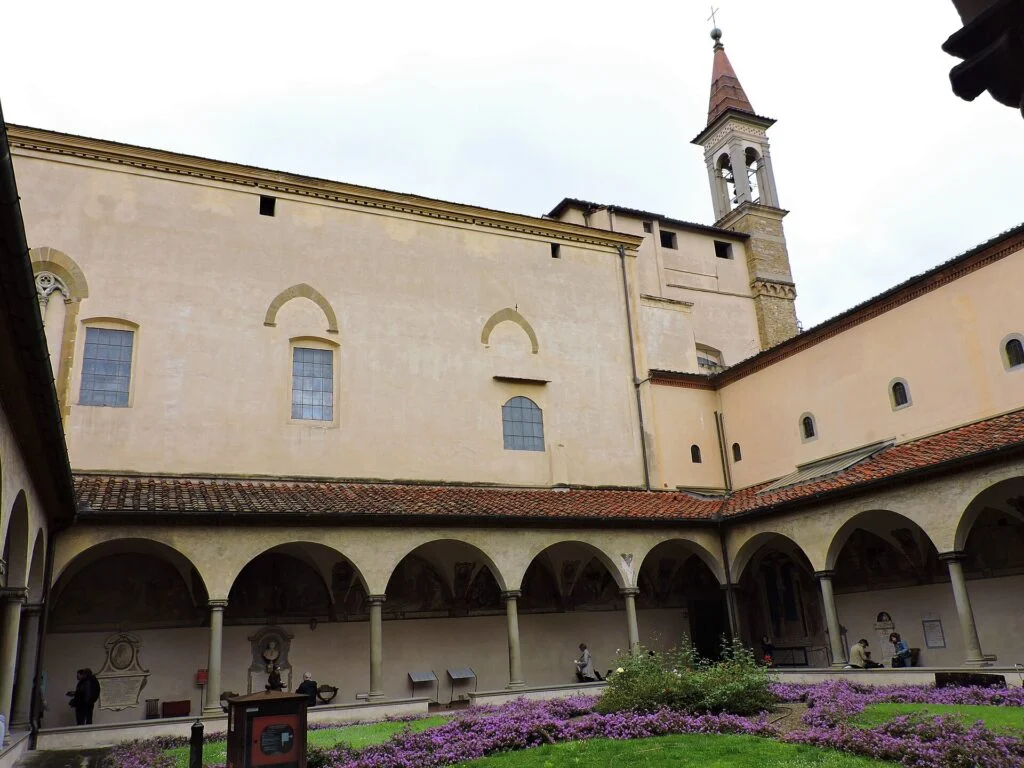
The San Marco Museum occupies the former convent buildings adjacent to the San Marco church, situated within the historic center of Florence. The architecture itself is a product of various phases of construction and renovation, with parts dating to the fifteenth century when the site was rebuilt under Dominican architect Michelozzo. The rooms originally served the Dominican friars and were designed with austerity and practical monastic needs in mind.
The structure’s layout enables visitors to walk through monks’ cells, the refectory, dormitory, library, and cloisters, many of which retain original architectural features and decorative elements. This arrangement allows one to sense the daily rhythm of monastic life, framed by religious observance and study. Particular rooms such as the Prior’s cell contain especially fine frescoes, suggesting their role as both private quarters and symbolic spaces of authority.
The physical setting within Florence’s urban fabric is close to other Renaissance landmarks, which contextualizes the convent’s role in the religious and civic life of the period. The museum’s relatively contained scale encourages a contemplative visitor pace, distinct from larger, busier venues. This setting supports focused engagement with the artworks and spaces.
Practical Information
For those planning a visit to the San Marco Museum, it is advisable to consult the official website to verify current information regarding opening hours, admission fees, tour availability, and accessibility accommodations. The museum is generally active and maintains a regular schedule, but specific conditions may vary seasonally or due to local regulations.
Visitors should prepare for conditions typical of historic convent buildings. The rooms can be modest in size, and some passages or stairways might pose challenges for visitors with limited mobility. Lighting in some areas emphasizes the preservation of frescoes, so it may be dim, which should be taken into account.
Tickets and entry conditions can fluctuate, particularly with regard to timed entries or group visits, so checking official sources before arrival is prudent. Audio guides or printed materials may be available from the museum, but this should be confirmed ahead of time.
Given the museum’s thematic and spatial focus, it is best suited for those who enjoy slower, reflective experiences rather than quick walk-throughs. Visitors interested in Renaissance art will likely find it rewarding to linger and absorb the detailed frescoes and the convent’s atmosphere.
Why Visit
Choosing to visit the San Marco Museum offers a blend of artistic, historical, and spiritual experience rooted in Florence’s fifteenth-century context. The museum is particularly valuable for those wanting to explore the intersection of art and monastic life, showcasing how religious settings shaped Renaissance creativity. The frescoes by Fra Angelico, in particular, remain a touchstone for art history, helping to understand early Renaissance developments in visual storytelling and sacred imagery.
Unlike general art museums that present large, varied collections, San Marco’s focused scope provides a depth of encounter with a specific historical place and purpose. This focus may not appeal to every visitor, especially those seeking broader overviews of period or style. However, the museum rewards those interested in nuanced narratives about art as a devotional and educational tool within a monastic community.
The intimacy of the museum’s setting contributes to its unique character. Walking through the monks’ cells and common areas, one gains a tangible sense of the historical lives led in this space. This can be a grounding experience in a city otherwise renowned for its grand palaces and crowded galleries.
In sum, the San Marco Museum is an important destination for anyone drawn to Renaissance Florence beyond its more famous secular landmarks. It offers both art and architecture within a lived religious context, bridging artistic achievement with everyday monastic existence. Careful planning before visiting, with attention to the official website for updates, will ensure a visit in line with individual interests and practical needs.